Hunger is the hardest part of dieting.
You count calories, you cut carbs, you walk the dog twice a day, and by 9 p.m. you are still hovering over the pantry. That is not weak willpower. That is appetite biology, and the right appetite suppressants can shift it. The trouble is that most of what gets sold under the "appetite suppressants" label does almost nothing, while the few options that actually work are buried under marketing for products that do not.
This ranked list cuts through that. We separate prescription appetite suppressants from supplements, show what each one costs in 2026, and explain where the new generic naltrexone-bupropion combo (the generic of Contrave) fits in for people who want a real appetite suppressant for under $100 a month.
🔑 Key Takeaways
- The strongest appetite suppressants are GLP-1 drugs (Wegovy, Zepbound, Saxenda) and the bupropion-naltrexone combo Contrave, not OTC pills.
- Generic naltrexone-bupropion is the same drug as Contrave at roughly one-tenth the cost, around $60 to $100 a month with GoodRx versus about $700 brand.
- Phentermine is the cheapest prescription appetite suppressant (under $20 a month) but is only cleared for short courses.
- OTC fiber-based appetite suppressants like glucomannan can take the edge off snacking. Most herbal appetite suppressants (garcinia, raspberry ketones) do not work.
- If you want the strongest hunger control, GLP-1 telehealth programs are the fastest path to a prescription in 2026.
Telehealth Comparison Table
If you want a prescription appetite suppressant without ever leaving the couch, these are the two telehealth providers our readers use most for compounded GLP-1 therapy in 2026.


What Are Appetite Suppressants?
Hunger has a chemistry. Appetite suppressants are drugs or supplements that change that chemistry so you eat less without feeling like you are starving. Some act on the brain's hunger centers (phentermine, naltrexone-bupropion), some slow stomach emptying through GLP-1 receptors (Wegovy, Zepbound, Saxenda), and some bulk up in your stomach so you feel full sooner (glucomannan).
The FDA approves prescription appetite suppressants for people with obesity (BMI 30+) or for those with a BMI of 27+ plus a weight-related condition like type 2 diabetes or sleep apnea. Anything sold next to the multivitamins is not technically an appetite suppressant in the medical sense, even when the bottle says it is.
Ranked Comparison Table: Appetite Suppressants in 2026
Here is the honest ranking, ordered by how much weight people actually lose in clinical trials.
The pattern is obvious. The top of the list is dominated by GLP-1 medications. The bottom is dominated by supplements that almost no doctor would call appetite suppressants in a clinical sense.
GLP-1s as Appetite Suppressants: Wegovy, Zepbound, Ozempic, Mounjaro
GLP-1 drugs were not designed to be appetite suppressants. They were designed to lower blood sugar in type 2 diabetes. The appetite suppression turned out to be the bigger story. They mimic a gut hormone called GLP-1, which slows stomach emptying, reduces "food noise" in the brain, and makes a normal-sized meal feel filling for hours.
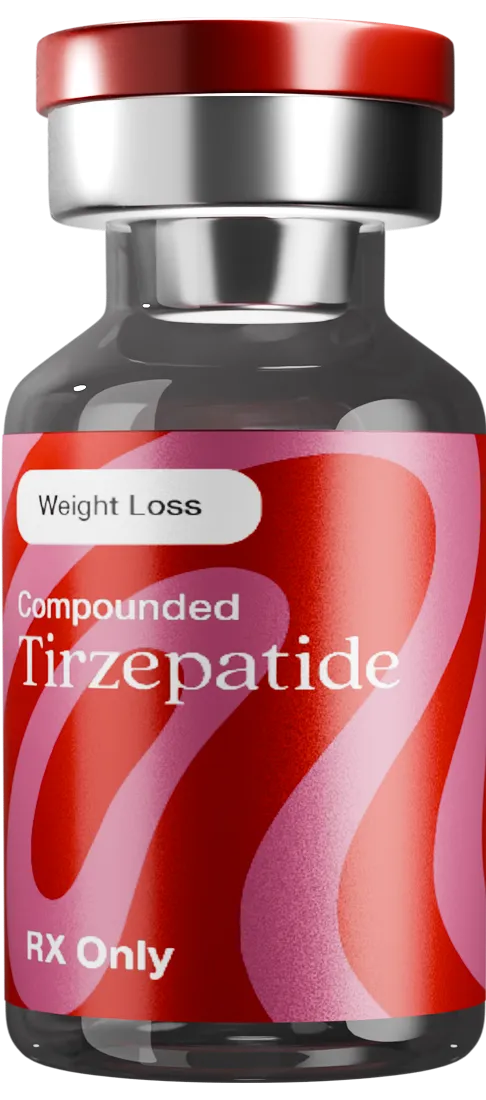
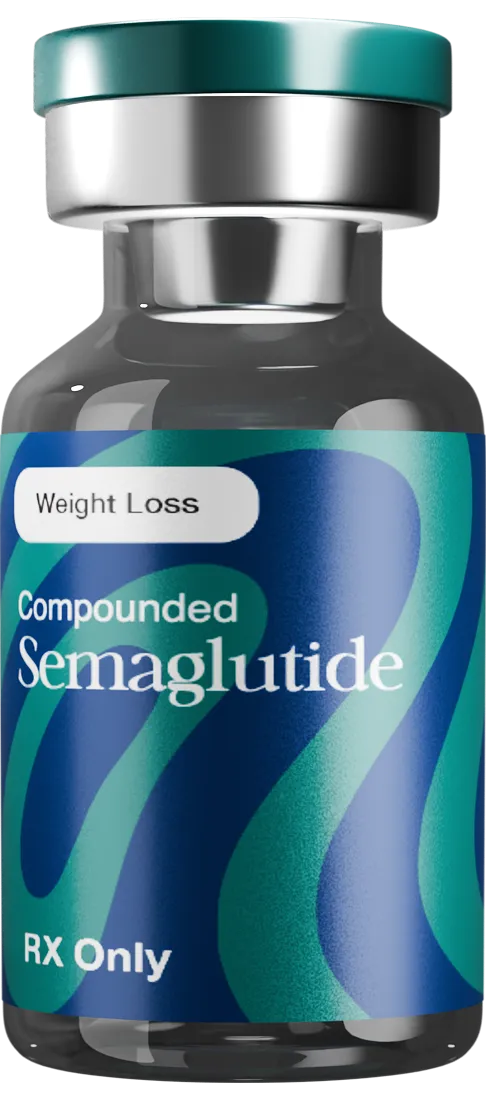
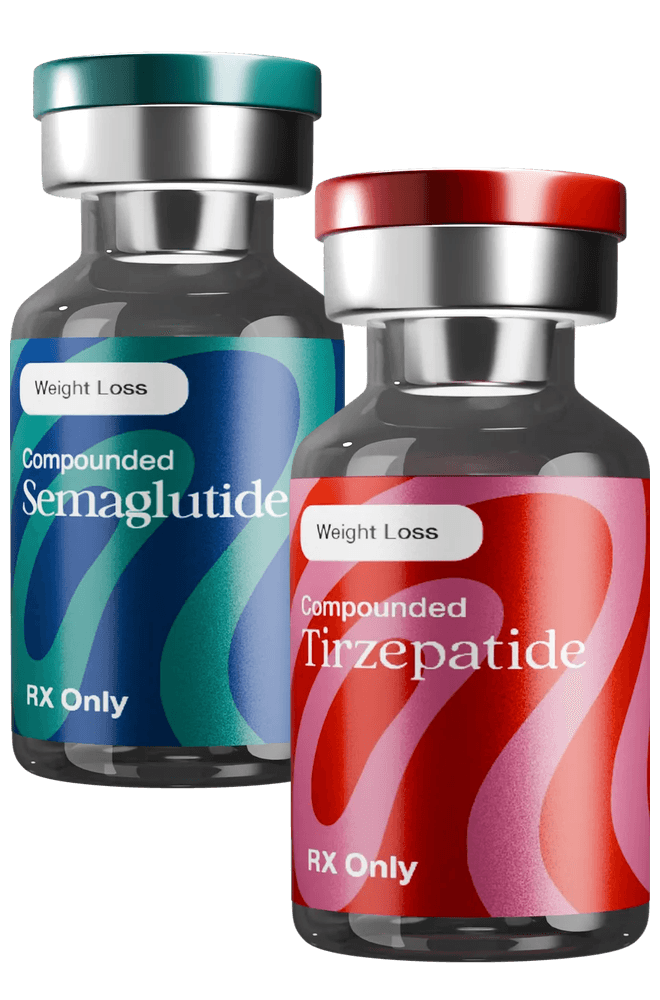
Wegovy (semaglutide 2.4 mg weekly) drove an average 14.9% body weight loss over 68 weeks in the STEP-1 trial. Brand price runs around $500 a month after manufacturer savings. Zepbound (tirzepatide) went further: 20.9% mean loss at the 15 mg dose in SURMOUNT-1 (compared with placebo). Ozempic and Mounjaro are the same molecules at slightly different doses, FDA-approved for diabetes but used off-label for weight.
For most people who want the strongest appetite suppressants on the market, this category is the answer. The catch is sticker shock and supply. Compounded semaglutide and tirzepatide through telehealth (Embody, MEDVi) cut the price dramatically. See our breakdown of the cheapest GLP-1 options ranked.
Phentermine: The Original Appetite Suppressant
Phentermine is the oldest drug in the appetite suppressants category. It has been on the market since 1959. It is a stimulant chemically related to amphetamine, sold under brand names Adipex-P and Lomaira. It works by triggering the release of norepinephrine in the brain, which dampens hunger signals.
Cash price for generic phentermine 37.5 mg runs $15 to $40 a month. That makes it one of the cheapest appetite suppressants available. The FDA only clears it for 12 weeks of continuous use because of tolerance and cardiovascular concerns, though many obesity-medicine doctors prescribe it longer off-label.
Phentermine is not a great fit if you have uncontrolled high blood pressure, heart disease, hyperthyroidism, glaucoma, or a history of stimulant-related anxiety. Side effects include insomnia, dry mouth, jitteriness, constipation, and elevated heart rate.
Qsymia: Phentermine Plus Topiramate
Qsymia stacks low-dose phentermine with extended-release topiramate (the migraine and seizure drug). Topiramate independently reduces appetite and food cravings, so the combination outperforms phentermine alone. In the EQUIP and CONQUER trials, average weight loss at the top dose hit 8 to 10% over a year.
Monthly cost runs $100 to $200 with a manufacturer coupon. Side effects include tingling in hands and feet, taste changes (Diet Coke famously tastes weird on Qsymia), dry mouth, and constipation. Qsymia is not safe in pregnancy because topiramate can cause cleft palate.
Contrave (Bupropion-Naltrexone): The Combo Pill
Contrave pairs two old drugs into one pill: bupropion (the antidepressant marketed as Wellbutrin) and naltrexone (an opioid antagonist used for alcohol use disorder). The combination targets the brain's reward and hunger pathways at once. Bupropion stimulates POMC neurons that suppress appetite. Naltrexone blocks the auto-inhibition of those neurons so the bupropion effect lasts longer.
In the COR-I trial, Contrave produced an average 6.1% weight loss over 56 weeks at the 32 mg/360 mg dose. People who responded in the first 16 weeks tended to lose 9 to 11%. The combination is especially useful for people whose eating is driven by cravings, emotional eating, or food obsession, rather than pure hunger.
Brand-name Contrave costs about $700 a month cash. That is the part that pushes most patients toward the generic naltrexone-bupropion combo, covered next.
Naltrexone Generic: Bupropion-Naltrexone Combo Cost
Here is the headline most readers came for. The FDA approved a generic naltrexone-bupropion combination in 2024, and as of 2026 it is widely available at retail pharmacies. Generic naltrexone (50 mg tablets) has been available for decades, and generic bupropion (sustained-release) is also long off patent. The "naltrexone generic" Contrave dupe simply combines the two at the same dose ratio Contrave uses (8 mg naltrexone / 90 mg bupropion per tablet, four tablets daily at the maintenance dose).
Cash price for the generic naltrexone-bupropion combo runs about $60 to $100 a month with a GoodRx coupon, depending on your zip code. Compared with $700 brand Contrave, that is roughly a 90% discount. Some patients fill the two drugs separately (generic naltrexone 50 mg split into smaller doses plus generic bupropion SR 100 mg) for under $40 a month, though that requires a prescriber willing to write it that way.
When generic naltrexone-bupropion makes sense as an appetite suppressant
- You have a BMI of 27 or higher and are not a candidate for GLP-1s (cost, supply, side effects, or insurance denial).
- Your eating is driven by cravings, food noise, or emotional triggers more than physical hunger.
- You also struggle with low mood, smoking cessation goals, or alcohol use, all of which the bupropion-naltrexone combo can help.
- You want a once-daily oral pill instead of a weekly injection.
It is a poor fit if you have a seizure disorder (bupropion lowers the seizure threshold), an active opioid prescription (naltrexone will block it), or uncontrolled hypertension.
Compared head-to-head, GLP-1 drugs still beat the bupropion-naltrexone combo on raw weight loss. Wegovy averages roughly 15% loss; the naltrexone generic combo averages 5 to 9%. But $60 a month versus $500 a month is a real-world tradeoff most insurance-denied patients eventually have to make.
Saxenda (Liraglutide): The Daily GLP-1 Appetite Suppressant
Saxenda is a daily injectable GLP-1 (the same molecule sold as Victoza for diabetes). Generic liraglutide became available in 2024 after the patent expired. It produces about 5 to 8% weight loss on average, less than Wegovy or Zepbound, and requires a daily shot instead of weekly. It is mostly relevant in 2026 because the generic version is sometimes cheaper than brand Wegovy. See our liraglutide and Saxenda breakdown for dosing and price details.
OTC Appetite Suppressants (and What Doesn't Work)
This is the section where honesty matters most. Most OTC appetite suppressants do almost nothing. A few have real mechanisms but produce small effects.
What works (a little)
- Glucomannan. A soluble fiber from the konjac root. Three to four grams a day before meals can reduce snacking. A meta-analysis of six trials found about 6.6 lb of weight loss over 12 weeks. Modest, but real.
- PGX (PolyGlycopleX). A fiber blend with the same mechanism as glucomannan. Similar small effect.
- Caffeine and green tea extract. Mild appetite suppression and a small bump in energy expenditure. The effect on body weight in studies is under 1%.
- Saffron extract. Some evidence it reduces snacking by improving mood. Studies are small.
- Protein and water. The most underrated appetite suppressants in the supplement aisle are not supplements at all. Hitting 30 g of protein per meal and drinking 16 oz of water before eating outperforms most pills.
What doesn't work
- Garcinia cambogia. The "it" appetite suppressant of the 2010s. The largest review found roughly placebo-level effect, plus some case reports of liver injury.
- Raspberry ketones. No human evidence.
- Hoodia. Once hyped as a desert cactus appetite suppressant. No replicated weight-loss data in humans.
- 5-HTP. Mixed evidence, mostly in small short trials. Can interact with antidepressants.
- "Fat-burner" stacks with synephrine or yohimbine. May raise heart rate and blood pressure without meaningful appetite or weight effect.
If you have already tried OTC appetite suppressants and felt nothing, that is the expected result, not a personal failing.
Side Effects by Class
How to Choose the Right Appetite Suppressant
Choosing among appetite suppressants is mostly about three honest questions.
1. How much do you actually need to lose? If the goal is 5 to 15 lb, OTC fiber plus protein and behavior change is fine. If the goal is 30+ lb, you are in prescription appetite suppressants territory.
2. What drives your eating? Pure physical hunger between meals favors a GLP-1. Cravings, emotional eating, and food noise favor the bupropion-naltrexone combo (Contrave or its generic). Snack-grazing all day favors a fiber-based OTC.
3. What can you afford? If insurance covers Wegovy or Zepbound, take it. If not, the order is usually generic naltrexone-bupropion ($60 to $100), phentermine ($15 to $40 short course), Qsymia ($100 to $200), or compounded GLP-1 telehealth ($150 to $400). For a deeper price walkthrough, see GLP-1 without insurance and our full weight-loss drugs comparison.
If you want a same-week prescription path, telehealth is the fastest route. Embody and MEDVi handle the visit, the labs, and the shipping. See how telehealth GLP-1 prescriptions work for the full process.
Frequently Asked Questions
Medical disclaimer. This article is for educational purposes only and does not replace medical advice from a licensed clinician. Prescription appetite suppressants, including the bupropion-naltrexone combination, GLP-1 medications, phentermine, Qsymia, and Saxenda, all carry risks and should only be used under a physician's supervision. Do not start, stop, or combine appetite suppressants without speaking to your doctor.