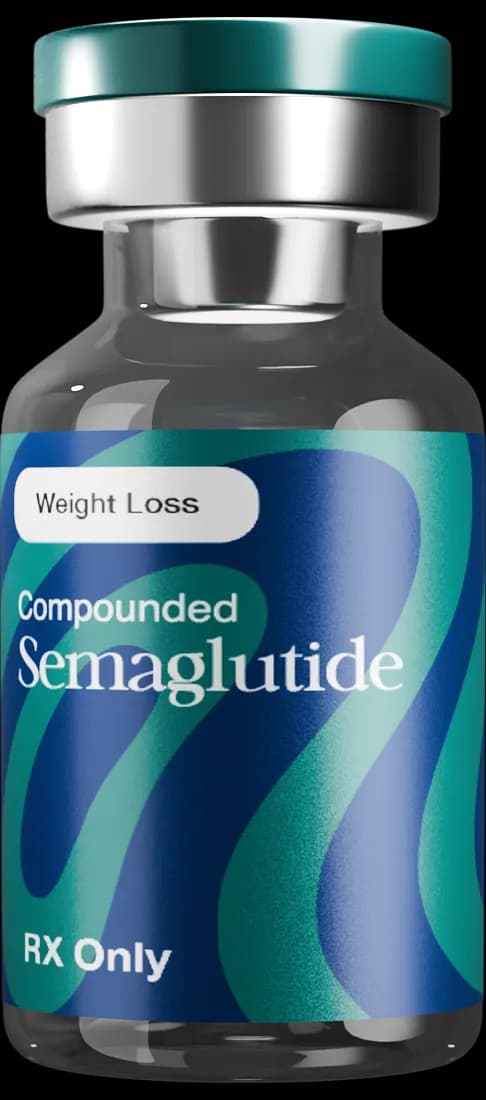
Rybelsus is the brand name for oral semaglutide, the first and only GLP-1 receptor agonist that comes as a once-daily pill rather than a weekly injection. Approved by the FDA in 2017 for type 2 diabetes, it delivers the same molecule found in Ozempic and Wegovy, but in tablet form using an absorption-enhancing technology that lets a peptide survive the stomach. In 2025 Rybelsus also became the first oral GLP-1 cleared to reduce the risk of heart attack, stroke, and cardiovascular death. This guide covers exactly how Rybelsus is dosed, what it costs in 2026, the side effects you should expect, the clinical-trial numbers behind it, and where to legitimately buy it.[1][5]
🔑 Key Takeaways
- Rybelsus is oral semaglutide, the same active drug as Ozempic and Wegovy, taken as a daily 3 mg, 7 mg, or 14 mg tablet. It is FDA-approved only for type 2 diabetes, not for weight loss.
- It must be taken on an empty stomach with no more than 4 ounces (120 mL) of plain water, and you must wait at least 30 minutes before eating, drinking, or taking other pills. Skipping this step sharply cuts absorption.
- In the SOUL trial of 9,650 high-risk patients, Rybelsus 14 mg cut major cardiovascular events by about 14 percent versus placebo, leading to a 2025 FDA heart-protection indication.
- Typical A1C drops are around 1.0 to 1.4 percent and weight loss is modest (roughly 2 to 5 kg / 4 to 11 lb) at 14 mg, less than the injectable forms used for obesity.
- The list price is about $997.58 per month, but commercially insured patients may pay as little as $10 with the manufacturer savings card.
What Is Rybelsus?
Rybelsus (semaglutide) is a glucagon-like peptide-1 (GLP-1) receptor agonist manufactured by Novo Nordisk. Semaglutide mimics the natural gut hormone GLP-1, which is released after eating. It lowers blood sugar by stimulating insulin release when glucose is high, suppressing the hormone glucagon, slowing how fast the stomach empties, and reducing appetite signals in the brain. Those same actions are why the injectable versions of semaglutide, Ozempic (for diabetes) and Wegovy (for obesity), produce significant weight loss.[1]
What makes Rybelsus unique is the route. Peptides like semaglutide are normally destroyed by stomach acid and digestive enzymes, which is why nearly every GLP-1 drug is injected. Rybelsus solves this by co-formulating each tablet with an absorption enhancer called SNAC (sodium N-(8-(2-hydroxybenzoyl) amino) caprylate). SNAC temporarily raises the local pH around the tablet and helps semaglutide cross the stomach lining intact. Even so, the absolute bioavailability of oral semaglutide is only about 0.4 to 1 percent, which is why oral doses (milligrams) are far larger than injectable doses (often fractions of a milligram).[7]
Rybelsus is not the same as the new Wegovy pill. In late 2025 the FDA approved a separate higher-strength oral semaglutide (25 mg) marketed under the Wegovy brand specifically for chronic weight management. Rybelsus (3, 7, and 14 mg) remains a diabetes drug. They share the same molecule but have different doses, indications, and formulations. If your goal is weight loss rather than blood-sugar control, see our guide to the Wegovy oral pill.[6]
What Is Rybelsus Used For?
Rybelsus carries two FDA-approved indications as of 2026:
- Type 2 diabetes (glycemic control): Approved since 2017 as an adjunct to diet and exercise to improve blood sugar control in adults with type 2 diabetes.[1]
- Cardiovascular risk reduction: On October 17, 2025, the FDA approved Rybelsus 7 mg and 14 mg to reduce the risk of major adverse cardiovascular events (cardiovascular death, nonfatal heart attack, and nonfatal stroke) in adults with type 2 diabetes who are at high cardiovascular risk. This makes it the only oral GLP-1 with a heart-protection label, and it covers both patients who have already had a cardiovascular event and those who have not.[5]
Rybelsus is not FDA-approved for weight loss or for type 1 diabetes, and it is not a substitute for insulin in people who require it. Some clinicians do prescribe it off-label for weight management, but the data show it produces less weight loss than the injectable obesity drugs. For a full breakdown of where injectable semaglutide fits, see our Ozempic and semaglutide weight-loss guide.
Rybelsus Dosing: The Complete Schedule
Rybelsus comes in three tablet strengths, and the dosing follows a strict step-up schedule designed to limit nausea. Each step lasts at least 30 days before moving up.[1]
The 3 mg starting dose exists purely to let your gut adjust; it is not strong enough to meaningfully lower blood sugar. The 14 mg maximum should be reached only by stepping up from 7 mg. Importantly, the FDA label states that taking two 7 mg tablets to reach 14 mg is not recommended, because absorption of the oral formulation is not linear.[1]
How to Take Rybelsus Correctly (This Part Matters)
Because oral semaglutide is so poorly absorbed, the administration instructions are unusually strict, and following them is the single biggest factor in whether the drug works. Per the FDA label, you must:[1]
- Take the tablet first thing in the morning on an empty stomach, after an overnight fast.
- Swallow it whole with no more than 4 ounces (about 120 mL) of plain water only. Do not split, crush, or chew the tablet.
- Wait at least 30 minutes before eating, drinking anything else, or taking other oral medications.
Waiting less than 30 minutes, or taking the tablet with food, coffee, or other beverages, sharply reduces how much drug reaches your bloodstream. Interestingly, swallowing it with less water (about 50 mL) actually produces higher absorption than a large glass, which is the opposite of most pills. If you miss a dose, skip it entirely and take the next dose the following day rather than doubling up.[1]
Switching between Rybelsus and Ozempic. Per the FDA label, a patient on Rybelsus 14 mg can be transitioned to once-weekly Ozempic 0.5 mg, and someone stopping Ozempic 0.5 mg can start Rybelsus 7 mg or 14 mg up to 7 days after their last injection. The label maps 14 mg oral to the 0.5 mg injection and gives no oral equivalent for Ozempic 1 mg or higher. For more on the trade-offs, see oral vs injectable semaglutide.[1]
How Well Does Rybelsus Work? The Clinical Data
Blood Sugar and Weight (PIONEER Program)
Rybelsus was studied in the PIONEER program, a series of phase 3a trials. Across PIONEER subgroup analyses, the 14 mg dose lowered HbA1c by roughly 1.0 to 1.5 percent and reduced body weight by about 2.2 to 5.0 kg (5 to 11 lb), depending on background medications. In head-to-head comparisons within these analyses, oral semaglutide 14 mg outperformed sitagliptin 100 mg (which lowered A1C by only 0.3 to 0.9 percent) and was broadly comparable to or better than injectable liraglutide 1.8 mg.[3]
Cardiovascular Outcomes (PIONEER-6 and SOUL)
Two large outcome trials anchor the heart-safety and heart-benefit story:
- PIONEER-6 (2019): A cardiovascular safety trial of 3,183 patients with type 2 diabetes at high cardiovascular risk. Major adverse cardiovascular events occurred in 3.8 percent of the Rybelsus 14 mg group versus 4.8 percent on placebo (hazard ratio 0.79), establishing that oral semaglutide was non-inferior, that is, not worse than placebo, on cardiovascular safety over a median 16 months.[4]
- SOUL (2025): A much larger and longer trial designed to prove benefit, not just safety. It enrolled 9,650 patients aged 50 and older with type 2 diabetes plus established cardiovascular disease, chronic kidney disease, or both. Over a median 49.5 months, the primary composite of cardiovascular death, nonfatal heart attack, and nonfatal stroke occurred in 12.0 percent of the Rybelsus group versus 13.8 percent on placebo (hazard ratio 0.86; 95% CI 0.77 to 0.96; p = 0.006), a roughly 14 percent relative risk reduction. The benefit was driven largely by fewer nonfatal heart attacks (4.0 vs 5.2 percent).[3]
The SOUL result, published in the New England Journal of Medicine in March 2025, is what earned Rybelsus its 2025 cardiovascular indication.[3][5]
Putting the Numbers in Real Terms
Trial percentages can feel abstract. The table below translates the headline figures into everyday outcomes for a patient starting Rybelsus 14 mg.
Rybelsus Side Effects
The side-effect profile of Rybelsus mirrors other GLP-1 drugs, and it is overwhelmingly gastrointestinal. In the placebo-controlled trials, the most common adverse reactions (occurring in at least 5 percent of patients) were, comparing placebo / 7 mg / 14 mg:[1]
Most nausea, vomiting, and diarrhea appears during dose escalation and tends to ease as your body adjusts. In the trials, 4 percent of 7 mg patients and 8 percent of 14 mg patients stopped treatment because of gastrointestinal side effects, versus 1 percent on placebo. The slow step-up schedule exists precisely to keep these symptoms manageable.[1]
Serious Risks and Warnings
Beyond the common gut effects, the label flags several less frequent but more serious concerns:[1]
- Boxed warning, thyroid C-cell tumors: In rodents, semaglutide caused thyroid C-cell tumors. It is unknown whether Rybelsus causes these tumors, including medullary thyroid carcinoma (MTC), in humans. Report any neck lump, hoarseness, trouble swallowing, or persistent shortness of breath.
- Pancreatitis: Reported in trials. Stop the drug if pancreatitis is suspected and do not restart if confirmed.
- Diabetic retinopathy complications: Seen in a cardiovascular trial with injectable semaglutide; patients with a history of retinopathy should be monitored.
- Hypoglycemia: Risk rises when combined with insulin or sulfonylureas; those doses may need to be reduced.
- Acute kidney injury: Dehydration from vomiting or diarrhea can worsen kidney function.
- Gallbladder disease and hypersensitivity reactions (including anaphylaxis and angioedema) have also been reported.
Who should not take Rybelsus. It is contraindicated in anyone with a personal or family history of medullary thyroid carcinoma, anyone with Multiple Endocrine Neoplasia syndrome type 2 (MEN 2), and anyone who has had a serious hypersensitivity reaction to semaglutide. It should also be discontinued in women at least 2 months before a planned pregnancy due to semaglutide's long washout period. If you stop semaglutide, weight and blood sugar often rebound, see what happens when you stop semaglutide.[1]
Rybelsus Cost in 2026
Rybelsus is expensive without insurance. The list price is about $997.58 per month, and it is the same across all three strengths (3 mg, 7 mg, and 14 mg). Without coverage, real out-of-pocket cash prices typically land between roughly $900 and $1,200 depending on the pharmacy, though discount cards from services like GoodRx or SingleCare can shave that to around $850 to $950.[8]
The biggest savings lever is the Novo Nordisk savings card, which can bring eligible commercially insured patients down to as little as $10 per month. It is not available to people on Medicare or Medicaid, and Rybelsus is not currently part of Novo Nordisk's patient-assistance program for the uninsured. Because cost is the main barrier, many people compare it against other GLP-1 options, see our roundup of the cheapest GLP-1 options.[8]
When the Rybelsus Generic Arrives
There is currently no generic version of Rybelsus, and it will not arrive soon. Novo Nordisk's patent and exclusivity protections, including those covering the SNAC absorption technology, are expected to keep a true generic off the US market until around 2032 to 2033. For the full patent timeline, the legal challenges, and the closest alternatives available now, see our dedicated breakdown: Rybelsus generic, 2033 timeline and alternatives.
Where to Buy Rybelsus
Rybelsus is a prescription-only medication, so you cannot legally buy it over the counter or from research-chemical sellers. The legitimate routes are:
- Your primary care doctor or endocrinologist writing a prescription you fill at a retail or mail-order pharmacy.
- A licensed telehealth weight-loss or diabetes platform that conducts a medical evaluation and, if appropriate, prescribes a GLP-1. Many of these programs also offer compounded semaglutide options and ongoing dose-management support, which can be more affordable than brand-name Rybelsus.
Avoid any website offering "Rybelsus" without a prescription or at suspiciously low prices; counterfeit GLP-1 products are a documented and serious safety problem. For a deeper comparison of how the daily pill stacks up against the weekly shot before you commit, read our oral vs injectable semaglutide comparison and our semaglutide dosing guide.
Frequently Asked Questions
The Bottom Line
Rybelsus is a genuine breakthrough: a peptide hormone delivered as a daily pill, with proven blood-sugar benefits and, since 2025, proven heart protection for high-risk type 2 diabetes patients. It is best suited to people who want GLP-1 benefits without weekly injections and who can commit to its strict empty-stomach routine. Its main drawbacks are modest weight loss compared with the injectable obesity drugs, common gastrointestinal side effects, and a high price tag for the uninsured. If weight loss is your primary goal, the injectable forms or the new higher-dose oral Wegovy may suit you better; if heart protection and pill convenience matter most, Rybelsus stands alone. Always work with a licensed prescriber to decide.
References
- FDA. RYBELSUS (semaglutide) tablets, Full Prescribing Information (Reference ID 5316448).
- FDA. RYBELSUS Highlights of Prescribing Information, 2025 label update (s020/s021).
- PMC. Oral Semaglutide Therapy Reduces Cardiovascular Events in Patients with Type 2 Diabetes: Deciphering the SOUL Trial (NEJM 2025; HR 0.86).
- Husain M, et al. Oral Semaglutide and Cardiovascular Outcomes in Patients with Type 2 Diabetes (PIONEER 6). N Engl J Med. 2019.
- Novo Nordisk. FDA approves oral semaglutide for cardiovascular risk reduction (Oct 17, 2025 press release).
- Novo Nordisk. FDA approves Wegovy pill (oral semaglutide 25 mg), first oral GLP-1 for weight loss.
- PMC. Oral Semaglutide Reduces HbA1c and Body Weight Regardless of Background Medication: PIONEER Subgroup Analyses.
- GoodRx. How Much Does Rybelsus Cost Without Insurance? (2026 pricing).
- Novo Nordisk. Wegovy pill approved in the US as first oral GLP-1 for weight loss (news details).