
Roughly a third of Ozempic users notice real hair shedding. A similar share is quietly losing muscle at the same time. The drug is not doing either directly. The rapid weight loss underneath it is.
Key Takeaways
- Ozempic does not directly damage hair follicles. Rapid weight loss triggers telogen effluvium, where the body shifts resources away from hair growth
- In clinical trials, about 3% of users reported hair loss, but real-world surveys put the actual rate between 25 and 33%
- Women experience it at roughly double the rate of men -- rapid weight loss drops estrogen faster in women, and low ferritin compounds the effect
- Shedding starts 2 to 3 months after significant weight loss begins. Peak shedding lasts 3 to 6 months, then regrowth follows over 6 to 12 months
- The follicles stay alive. They do not die or scar -- this is fundamentally different from pattern baldness
- Ozempic does not directly cause muscle loss either. The same rapid caloric deficit that triggers hair shedding also signals the body to break down muscle for fuel
- Clinical trial DEXA data shows roughly 36% of total weight lost on semaglutide is lean mass, not fat. Without intervention, some analyses put it at 30 to 50%
- Resistance training 2 to 3 times weekly combined with 1.6 to 2.2 g of protein per kg of bodyweight daily mitigates most muscle loss during caloric restriction
- Hair loss and muscle loss share the same root cause and the same fix: slow the weight-loss pace, prioritize protein, add resistance training, and correct nutritional deficiencies
- Do not stop Ozempic to save your hair or muscle without your prescriber agreeing -- managing nutrition and training is more effective than stopping the drug
If you have started Ozempic and noticed more hair on the pillow, in the shower drain, or on your brush -- you are not imagining it and you are not alone. And if you are also noticing your strength declining or your body looking softer despite losing weight, that is the muscle story. This page covers both: what the actual mechanisms are, how common they are, and what works to prevent or reverse each.
Does Ozempic Actually Cause Hair Loss?
Not directly.
Semaglutide, the molecule in Ozempic, does not bind meaningfully to receptors in hair follicles. There is no good evidence that the drug interferes with follicle biology at a chemical level. Hair loss appears in Ozempic's side-effect data, but the mechanism is downstream, not direct.
What Ozempic does do is cause fast, sustained weight loss. And fast weight loss, from any cause, is a well-established trigger for a condition called telogen effluvium. The same shedding pattern shows up after bariatric surgery, aggressive dieting, childbirth, and severe illness. Ozempic just makes it happen more often because it is unusually effective at producing rapid weight loss.
As Stanford endocrinologist Dr. Sun Kim puts it, the drug "creates the conditions" for hair loss without being the direct cause. And as dermatologist Dr. Kathy Zhou explains, "Your body can perceive weight loss as a stress. It wants to protect your heart before it worries about giving you a nice head of hair."
For the full catalog of what semaglutide does and does not do, see our Ozempic side effects breakdown.
The Telogen Effluvium Mechanism
A hair-cycle problem, not a follicle problem.
Your hair follicles cycle through three phases: anagen (active growth, 2 to 7 years), catagen (transition, 2 to 3 weeks), and telogen (resting and shedding, 2 to 3 months). On any normal day about 10 to 15% of your follicles are in telogen and shedding gradually. Most people lose 50 to 100 hairs daily without noticing.
Telogen effluvium happens when a physiological stressor -- like major rapid weight loss, severe illness, childbirth, or surgery -- pushes a much larger batch of follicles out of anagen and into telogen all at once. Your body essentially decides that growing hair is a low priority when it is under metabolic stress.
The critical detail: there is a built-in delay. Follicles do not shed the moment they enter telogen. They rest for 2 to 3 months first. This is why the hair loss you notice on Ozempic is actually the consequence of weight loss that happened 8 to 12 weeks earlier.
The Good News About Telogen Effluvium
- Follicles stay alive. They do not die, scar, or miniaturize.
- Once the stress resolves and nutrition is adequate, the same follicles cycle back into anagen and regrow hair.
- This is fundamentally different from androgenetic alopecia (pattern baldness), where follicles miniaturize permanently.
- The regrowth is usually full, not partial.
How Common Is Hair Loss on Ozempic?
Way more common than the trials suggest.
In the STEP clinical trials, hair loss was reported by about 3% of participants. That figure is widely cited but almost certainly an undercount. Real-world survey data, dermatologist reports, and post-marketing analysis consistently put the actual figure much higher. Cleveland Clinic reports roughly 25 to 33% of people losing significant weight on semaglutide notice meaningful hair thinning. A 2024 analysis of women specifically put the number even higher, with some cohorts reporting over 40%.
Risk factors for more severe shedding:
- Rapid weight loss, losing more than 1 to 2 pounds per week consistently
- Low protein intake, inadequate amino acids accelerate follicle dormancy
- Ferritin below 70 ng/mL, the single most underdiagnosed driver of hair loss in women
- Low zinc, vitamin D, or B12
- Pre-existing thyroid conditions, hypothyroidism independently causes hair loss
- Female sex and peri/post-menopausal hormonal shifts
- Caloric restriction too aggressive, some people on Ozempic eat 1,000 kcal or less daily
- High-dose or fast-titrated use, the faster you escalate, the faster weight drops
Does Ozempic Cause Hair Loss in Women?
More often than in men. Here is why.
Women report hair shedding on Ozempic at roughly double the rate men do. A recent analysis published in 2024 tracking GLP-1 users in a dermatology registry found that women accounted for nearly 80% of the hair-loss reports despite being only about 60% of prescriptions. Three factors converge:
- Hormonal sensitivity: Rapid weight loss in women drops estrogen levels faster than in men, because fat tissue is a significant source of estrogen. Lower estrogen directly shortens the anagen (growth) phase.
- Menopause timing: Many women using Ozempic are in their 40s or 50s, when estrogen is already declining. Adding rapid weight loss on top accelerates the hair-thinning trajectory.
- Ferritin baseline: Women of reproductive age routinely have lower ferritin than men due to menstruation. Rapid weight loss on restricted calories drops it further, and below 70 ng/mL, hair shedding becomes much more likely.
The Hair Loss Timeline: When It Starts and When It Stops
How to Prevent Ozempic Hair Loss
This is the part most people wish they had known before they started.
The 7-Point Hair Loss Prevention Protocol
- 1. Slow the weight loss: Aim for 1 to 2 pounds per week, not 3 or 4. Hold each dose level an extra 4 weeks if your weight is dropping faster than 1.5 pounds weekly.
- 2. Hit 110 to 130 g of protein daily: Hair is keratin, and keratin is protein. Track intake for a week -- most Ozempic users eat 40 to 60 g without realizing it.
- 3. Get a blood panel: Ferritin, iron, zinc, vitamin D, B12, and thyroid function. Do this before starting Ozempic if possible, or early in treatment.
- 4. Target ferritin above 70 ng/mL: Low ferritin is the single most underdiagnosed driver of hair shedding, especially in women. Normal hemoglobin does not mean adequate ferritin.
- 5. Hydrate: 2 to 3 liters of water daily. GLP-1s cause mild chronic dehydration in many users.
- 6. Strength train 2 to 3 times weekly: Preserves muscle, which keeps metabolism higher and reduces the overall physiological stress signal to follicles.
- 7. Take a baseline multivitamin plus biotin (5,000 mcg): A simple, evidence-based way to cover broad micronutrient gaps without mega-dosing any one thing.
Treatments That Actually Work for Ozempic Hair Loss
Escalate in order: nutrition first, then topical, then clinical procedures.
Tier 1: Nutrition and Lifestyle
- Protein: 110 to 130 g/day
- Iron: only if labs confirm ferritin below 70 ng/mL
- Zinc: 25 to 50 mg daily
- Biotin: 5,000 to 10,000 mcg daily
- Vitamin D: 2,000 to 5,000 IU daily if baseline is low
- Collagen peptides: 10 to 15 g daily, provides direct amino acids for keratin
Tier 2: Topical Treatments
- Minoxidil (5% foam or liquid): The most evidence-backed treatment for hair loss broadly. Apply twice daily to thinning areas. Results take 3 to 6 months. Oral minoxidil (2.5 to 5 mg daily) is prescribed off-label by many dermatologists for telogen effluvium.
- Ketoconazole shampoo: 2 to 3 times weekly. Reduces scalp inflammation and has modest DHT-blocking effects.
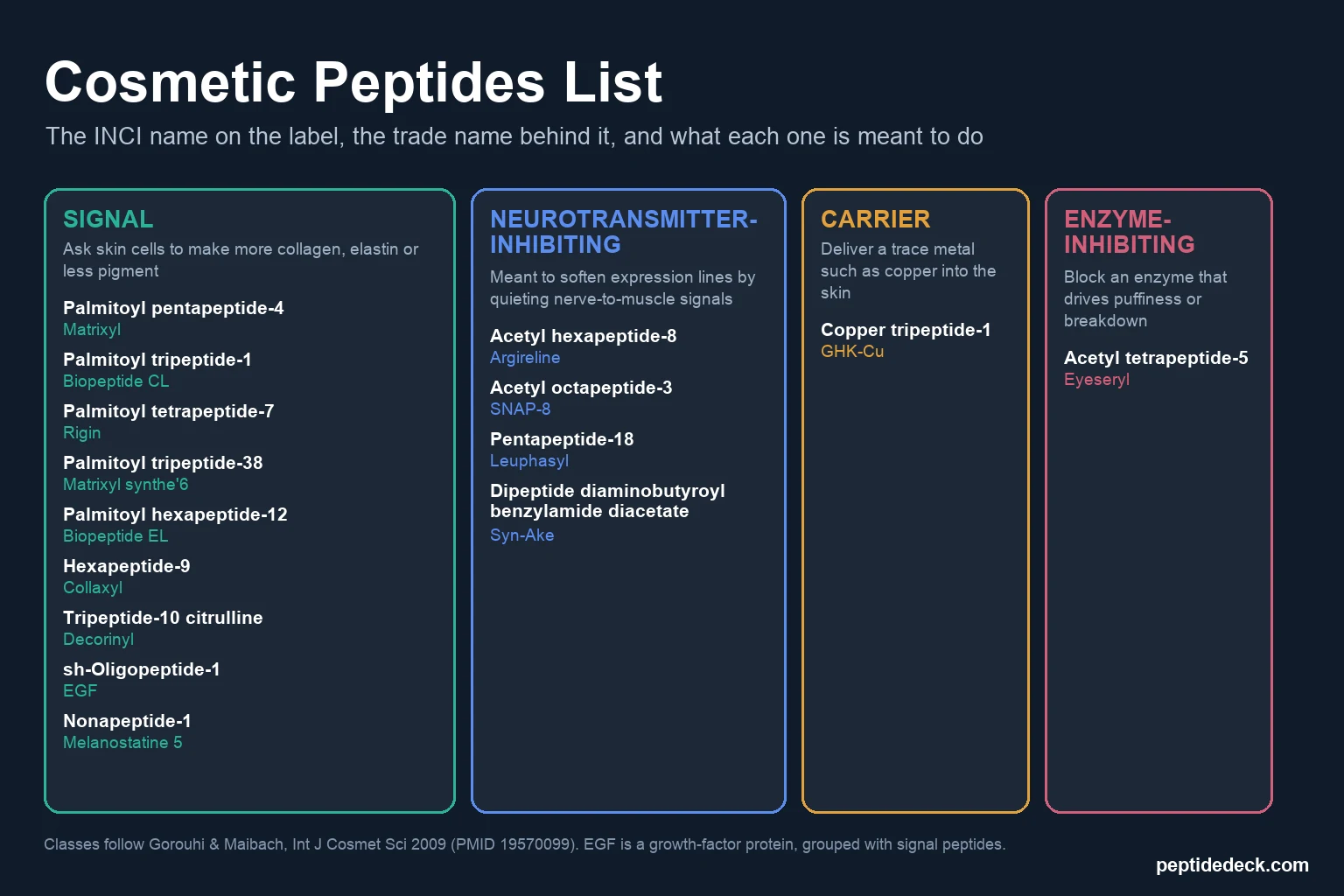
- Topical peptide serums: Copper peptides like GHK-Cu have shown comparable hair-density improvements to 5% minoxidil in head-to-head research. See our GHK-Cu copper peptide page for the full mechanism and dosing.
- Rosemary oil: A small trial showed non-inferiority to 2% minoxidil. A cheap and well-tolerated addition.
Tier 3: Specialty Supplements
- Nutrafol: The most-studied hair-loss supplement on the market, with clinical trial data for telogen effluvium specifically. Around $88/month.
- Viviscal Pro: Marine protein-based, evidence for increasing hair density. Around $50/month.
- Wellbel: Newer entry, targeted at GLP-1-induced hair loss specifically.
Tier 4: In-Office Procedures
- Platelet-rich plasma (PRP) injections: Your own blood is centrifuged and the growth-factor-rich plasma is injected into the scalp. Typical protocol is 3 sessions spaced 4 to 6 weeks apart, then maintenance every 6 to 12 months. Cost runs $500 to $1,500 per session.
- Red light therapy / low-level laser therapy (LLLT): At-home helmets or in-office panels. Daily 20 to 30 minute sessions. Most effective when combined with minoxidil. Cost for a home device is $300 to $3,000 one-time.
- Microneedling with or without PRP: Stimulates scalp collagen and increases absorption of topical treatments. Monthly sessions at $300 to $600 each.
Ozempic Hair Loss vs Other Causes

Ozempic-driven weight loss can also unmask pre-existing androgenetic alopecia, particularly in men. If you are seeing hairline recession or crown thinning specifically rather than diffuse all-over shedding, that is a different problem requiring different solutions.
Does Wegovy or Zepbound Cause More Hair Loss Than Ozempic?
- Ozempic vs Wegovy: Same molecule (semaglutide), different dosing. Wegovy reaches 2.4 mg weekly vs Ozempic's 2.0 mg max. Users lose weight faster on Wegovy, which means more pronounced telogen effluvium.
- Mounjaro and Zepbound (tirzepatide): Dual GLP-1/GIP agonists producing larger average weight loss (~20% vs 15% for semaglutide). More weight loss means more telogen effluvium risk.
- Saxenda (liraglutide): Only about 8% weight loss. The slower pace means less severe shedding for most users.
- Foundayo (oral orforglipron): Too new to have reliable real-world hair-loss data, but with weight loss around 12%, it sits between liraglutide and semaglutide in expected severity.
When to See a Dermatologist
- Shedding lasts more than 6 months at the peak rate
- Hairline recession or crown thinning specifically (suggests androgenetic alopecia)
- Patchy or circular bald spots (suggests alopecia areata)
- Scalp pain, itching, burning, or visible inflammation
- Eyebrow or body hair loss alongside scalp shedding (suggests thyroid issue)
- No regrowth after 12 months of stable weight
Does Ozempic Cause Muscle Loss?
Not directly. But it creates conditions where muscle loss almost always follows.
GLP-1 receptors do not sit on skeletal muscle cells. Semaglutide has no known mechanism that directly degrades muscle tissue. What it does, very effectively, is suppress appetite and reduce caloric intake by 20 to 30% in most users. And that caloric deficit, especially a steep one, is exactly what triggers the body to break down muscle for fuel alongside fat.
This is the same mechanism behind muscle loss after bariatric surgery, prolonged calorie restriction, or illness. Ozempic is not unique in causing it. It is unique in how fast and consistently it produces the caloric deficit that does.
"Muscle loss is related to the process of losing weight," says Dr. W. Scott Butsch, obesity medicine specialist at Cleveland Clinic. "It is not related to how the drug works itself."
That distinction matters. If the drug caused it directly, stopping would fix it. Because rapid weight loss is the actual cause, the fix is about how you lose weight, not whether you use the drug.
How Much Muscle Do You Actually Lose on Ozempic?
More than most people expect.
In the STEP clinical trials, a subset of participants underwent DEXA scans (dual-energy X-ray absorptiometry), which separate fat mass from lean mass. After 68 weeks, total weight loss averaged around 14 kg. Of that, approximately 5 kg (36%) was lean mass, not fat -- representing a 13.9% reduction in total lean mass.
Real-world data and broader analyses suggest the number can run higher. Research puts lean mass loss at 30 to 50% of total weight lost on GLP-1 medications for people who are not actively preventing it. Tirzepatide (Mounjaro, Zepbound), which produces larger total weight loss, shows similar or slightly worse lean mass percentages.
What Ozempic Muscle Loss Looks Like in Practice
- Scale says 30 lbs lost: 9 to 15 of those pounds may be muscle and lean tissue, not fat
- Strength declines: Tasks that felt routine -- carrying groceries, climbing stairs, getting up from a chair -- start feeling harder
- Body looks softer despite weight loss: Less fat but also less muscle definition, sometimes called "skinny fat" or sarcopenic obesity
- Resting metabolism drops: Muscle burns roughly 6 calories per pound per day at rest. Lose 10 lbs of muscle, burn 60 fewer calories daily until you rebuild it
- Bone density decreases in parallel: Rapid weight loss and reduced mechanical load on bones lowers bone mineral density, raising long-term fracture risk especially in women
A 2025 University of Utah mouse study added a complicating detail: muscle mass may actually decrease less than DEXA scans suggest, because much of the "lean mass" loss comes from organs like the liver, which shrinks significantly on GLP-1s. But the skeletal muscle that remains may be functionally weaker. Losing strength without losing proportional mass makes standard DEXA-based tracking an incomplete picture of what is happening.
The Sarcopenia Risk: When Muscle Loss Becomes a Bigger Problem
Sarcopenia is not just a bodybuilder concern.
Defined as progressive loss of muscle mass, strength, and function, sarcopenia is typically associated with aging. But rapid weight loss on GLP-1s can trigger sarcopenic obesity at any age -- meaning a person whose BMI is normal or low, but whose lean muscle is so depleted that fat is the dominant active tissue remaining.
The functional consequences build over time:
- Resting metabolic rate falls until muscle is rebuilt, making long-term weight maintenance harder after stopping Ozempic
- Joint loading shifts to cartilage and bone without the cushion of surrounding muscle, raising injury risk in the knees, hips, and lower back
- Falls and fractures become more likely, particularly in adults over 50 who are already in the age range where muscle preservation requires active effort
- Weight regain accelerates after stopping: Studies show most people regain the majority of lost weight within 12 months of stopping GLP-1s. Low muscle mass is a primary driver because a lower metabolic rate makes caloric balance harder to maintain
How to Prevent Ozempic Muscle Loss
The protocol is straightforward. Consistency is where most people fall short.
Ozempic Muscle Loss Prevention Protocol
- 1. Target 1.6 to 2.2 g of protein per kg of bodyweight daily. At lower caloric intake, protein needs per unit of bodyweight actually increase. For a 180-lb (82 kg) person, that means 130 to 180 g of protein daily. Aim for 25 to 30 g per meal to maximize muscle protein synthesis at each eating opportunity.
- 2. Resistance train 2 to 3 times weekly, minimum. Meta-analysis data is clear: resistance training mitigates all muscle loss that occurs during caloric restriction. Bodyweight exercises, resistance bands, and free weights all qualify. Cardio alone does not prevent muscle loss.
- 3. Slow the weight-loss pace. Targeting 1 to 1.5 lbs weekly instead of 3 to 4 gives the body time to preserve lean mass. If your Ozempic dose is pushing faster loss, hold at the current dose level an extra 4 to 8 weeks before titrating up.
- 4. Prioritize sleep. Growth hormone, the primary anabolic signal for muscle preservation, is secreted in pulses during deep sleep. 7 to 9 hours of quality sleep is not optional for body composition.
- 5. Stay hydrated. Muscle is approximately 75% water. Even mild chronic dehydration -- common with GLP-1s -- impairs muscle protein synthesis and accelerates fatigue during training.
- 6. Track body composition, not just weight. The scale does not distinguish fat from muscle loss. DEXA scans, InBody assessments, or even circumference measurements give a more complete picture of whether your weight loss is preserving the tissue you want to keep.
For a peptide-based angle on muscle preservation alongside GLP-1 therapy, see our best peptides for muscle growth guide for the full breakdown on compounds that support lean mass retention during caloric restriction.
Ozempic Hair Loss and Muscle Loss: The Same Root Cause
Both trace back to one decision your body makes under metabolic stress.
When caloric intake drops sharply, the body implements a triage system. Vital organs come first. Muscle, which is metabolically expensive to maintain, gets downgraded. Hair, which has zero survival value, gets deprioritized almost entirely.
This is why the prevention protocol for both conditions is nearly identical: slow the weight-loss pace, optimize protein intake, add resistance training, and correct nutritional deficiencies. These are not separate solutions to separate problems. They are one solution to one underlying stress response expressed in two different tissues.
The practical implication: if you are experiencing hair shedding on Ozempic, you are almost certainly also losing muscle at a higher-than-ideal rate, even if you cannot feel it yet. Muscle loss is silent until strength starts declining. Hair loss is visible immediately. Fix the conditions driving one and you fix both.