Tirzepatide works fast. Week by week, here's what to expect.
Most users notice appetite changes within 72 hours of the first injection. Visible weight loss starts within 2-3 weeks. Peak response window runs from week 8 through week 24. Most plateau around month 6-9. Below is the realistic week-by-week timeline, what tirzepatide actually feels like, how much weight you can expect to lose, what the drug is used for, what's in it, the prescription requirements, and where you can actually get it in 2026.
🔑 Key Takeaways
- You'll feel something in the first 72 hours. Appetite drops, food noise quiets, and food sometimes starts tasting different. This is normal and expected.
- Visible weight loss starts week 2-3. Don't panic if the scale doesn't budge in week 1; that's water and adjustment.
- Peak response window is week 8 through week 24. Most users see their fastest weekly weight loss here.
- Realistic 6-month expectation: 12-18% body weight loss. 72-week expectation at max dose: ~22.5%. Individual results vary widely.
- Cost depends entirely on sourcing. Brand-name (Mounjaro / Zepbound) cash-pay: $1,000-1,300/month. Lilly direct vials: $349-549. Compounded via telehealth: $200-400. Insurance coverage drops these substantially when it applies.
What Is Tirzepatide Used For?
Tirzepatide is FDA-approved for three specific indications:
Off-label, tirzepatide is also prescribed (or self-administered through compounded sources) for food noise reduction, addiction-adjacent uses, cholesterol improvement, menopause support, and other metabolic conditions. See our tirzepatide off-label uses guide for the full list.
What Class of Drug Is Tirzepatide?
Tirzepatide is a GLP-1 / GIP dual receptor agonist. It's the first FDA-approved drug in this class. Specifically:
- GLP-1 (Glucagon-Like Peptide-1) receptor agonist: Same receptor as semaglutide (Ozempic, Wegovy), liraglutide, and dulaglutide. Drives appetite suppression, slows gastric emptying, improves insulin release.
- GIP (Glucose-dependent Insulinotropic Polypeptide) receptor agonist: The additional receptor that distinguishes tirzepatide from semaglutide. Drives nutrient-dependent insulin secretion and may contribute to better metabolic flexibility.
It's a 39-amino-acid synthetic peptide (a modified GIP backbone with GLP-1 receptor activity engineered in). Half-life: about 5 days, which is why it's dosed weekly.
What Are the Ingredients in Tirzepatide?
Tirzepatide itself is the active pharmaceutical ingredient. The complete formulation in brand-name Mounjaro and Zepbound pens or vials contains:
- Tirzepatide (active, dose-specific: 2.5mg, 5mg, 7.5mg, 10mg, 12.5mg, or 15mg per injection)
- Sodium phosphate dibasic heptahydrate (pH buffer)
- Sodium chloride (osmolality regulator)
- Hydrochloric acid and/or sodium hydroxide (pH adjustment to ~7.0)
- Water for injection (carrier)
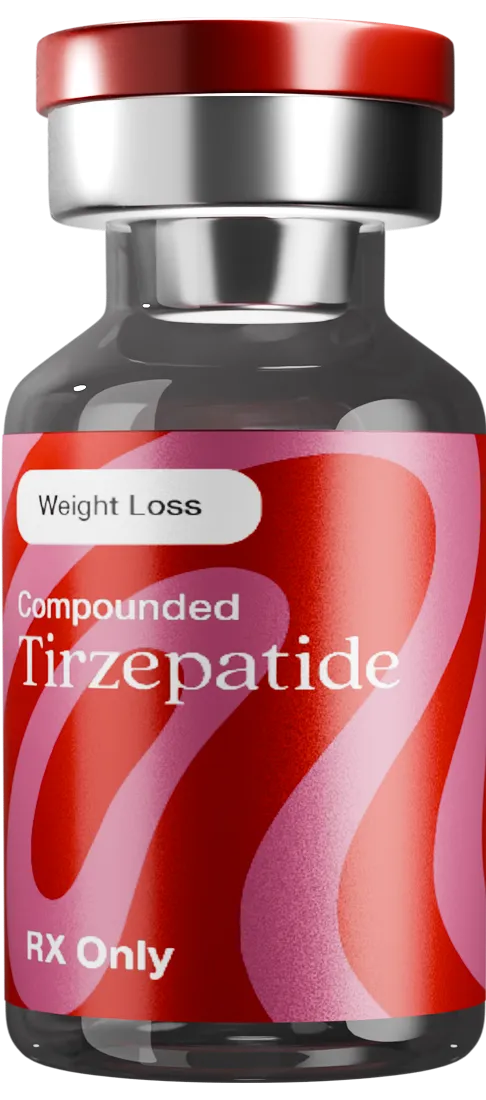
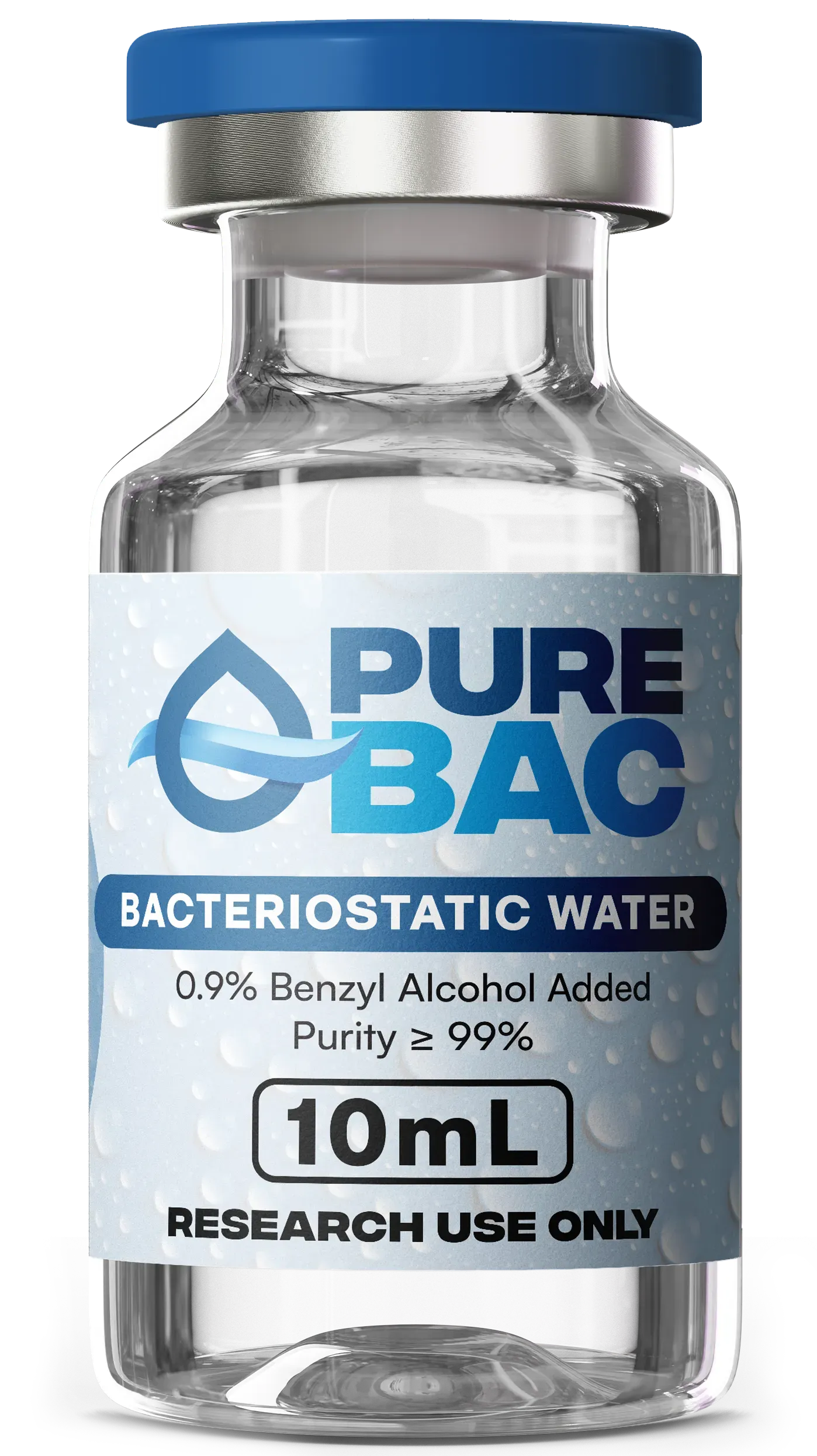
Compounded tirzepatide formulations typically include the same active plus bacteriostatic water (containing benzyl alcohol as a preservative). Some compounded vials add additional excipients like glycine or sodium acetate buffers depending on the pharmacy.
Tirzepatide Timeline: Week-by-Week
What Does Tirzepatide Feel Like?
The honest patient-reported experience, beyond what the trials capture:
- Food noise dies. The constant background mental chatter about food, what to eat, when to snack, cravings, goes quiet. For many users this is the most life-changing effect, more so than the weight loss.
- Smaller portions actually satisfy you. You eat half of what you used to and you're done. Not "I should stop eating," but actually full.
- Some foods stop tasting good. Especially sweet and fatty foods. This isn't side effects; it's part of the mechanism.
- Energy is mixed in the first 2 weeks. Some users feel tired (undereating), others feel sharper (less brain inflammation). Settles by week 3-4.
- Sleep often improves by week 4-6. Especially noticeable for people who had sleep apnea or weight-related sleep disruption.
- Mild GI discomfort is common. Most users describe it as "not great but tolerable." Severe persistent symptoms warrant slowing the dose escalation.
- Mood changes for a subset (5-10%). Emotional flatness, low motivation, or irritability in the first 4-8 weeks. Usually resolves; tell your prescriber if severe.
How Much Weight Can You Lose on Tirzepatide?
Realistic ranges based on SURMOUNT and SURPASS trial data, plus real-world clinical reports:
Individual results vary widely based on starting BMI, dose escalation pace, lifestyle (exercise, protein intake, sleep), age, sex, and metabolic baseline. Heavier starting weight typically means faster early loss. Don't compare your week 8 to someone else's week 8.
What Are the Drawbacks of Tirzepatide?
The honest cons every prospective user should weigh:
- Cost. Without insurance, brand-name is $1,000-1,300/month. Even compounded routes are $200-400/month. This adds up to thousands per year, indefinitely if you want to maintain.
- You'll likely need it long-term. Stopping causes 10-30% weight regain in 12 months for most users. Tirzepatide is increasingly viewed as a chronic medication, not a "fix and stop" intervention.
- GI side effects are nearly universal. Nausea, constipation, occasional vomiting, especially during dose escalations. Most fade within 2-4 weeks of each new dose but some users find them persistent.
- Muscle loss risk. 25-40% of total weight lost can be lean tissue if you don't actively protect against it (1.2-1.6 g/kg goal-weight protein, resistance training).
- Pregnancy contraindication. Must stop 2 months before conception. Long half-life requires extended washout.
- Black-box warning for thyroid C-cell tumors. Based on early toxicology data; not confirmed in human use, but the warning excludes patients with personal or family history of medullary thyroid cancer.
- Pancreatitis risk (~0.1-0.4%). Uncommon but serious. Stop and seek emergency care for severe upper abdominal pain.
- Storage requirements. Refrigeration is mandatory; left out or frozen, the drug is ruined.
Full breakdown at tirzepatide side effects guide.
How Much Does Tirzepatide Cost?
Full cost guide and current Lilly Direct pricing: tirzepatide cost without insurance.
Do You Need a Prescription for Tirzepatide?
Yes, in the US and most countries. Tirzepatide is a prescription medication in every legitimate sourcing route, including compounded versions. Three valid pathways:
- Telehealth clinic with peptide-friendly prescribers. Online consultation, prescription written to a compounding pharmacy or sent to your local pharmacy for brand-name. Most efficient and cheapest.
- Primary care or endocrinology in-person visit. Standard medical channel. Higher in-person cost but better continuity of care.
- Lilly Direct (Zepbound only). Direct-to-consumer through Lilly's own pharmacy. Requires a prescription from any provider; pricing is more accessible than insurance pathways for some patients.
"Tirzepatide for sale" without a prescription typically means gray-market peptide vendors selling unregulated product. Quality, dose accuracy, and sterility vary wildly; the legal status is murky; and you have no clinical oversight for side effects. Not recommended.
Where to Get Tirzepatide in 2026
The compounded tirzepatide landscape has shifted significantly in 2024-2026 due to FDA shortage-list changes. As of mid-2026, compounded tirzepatide is more restricted than during the 2023-early 2024 peak but still accessible through legitimate 503A pharmacies. See our tirzepatide compounding pharmacy guide for the current sourcing landscape.
How to Get Compounded Tirzepatide
- Choose a telehealth clinic that prescribes tirzepatide. Look for medical oversight, transparent pricing, and clear lab requirements before prescribing.
- Complete the online consultation. Standard intake includes weight history, comorbidities, current medications, and bloodwork submission (or order).
- Prescriber writes a prescription to their partnered 503A or 503B compounding pharmacy.
- Pharmacy ships you the reconstituted or lyophilized tirzepatide vial(s), plus syringes, alcohol pads, and instructions. Refrigerated shipping with cold packs.
- Reconstitute (if needed) and inject weekly, following the standard 2.5mg starting dose with monthly escalations. Track side effects and weight; report to your prescriber.
Is Compounded Tirzepatide Going Away?
The legal status of compounded tirzepatide depends on FDA shortage-list classifications. Tirzepatide was removed from the FDA shortage list in late 2024, which restricted 503B outsourcing facilities from mass-producing compounded versions. 503A pharmacies (traditional compounding for individual patient prescriptions) still produce tirzepatide, but operate under stricter scrutiny.
As of mid-2026, compounded tirzepatide is still accessible through legitimate 503A pharmacies with valid prescriptions, but the landscape is more restricted than in 2023-early 2024. Future legal challenges and FDA enforcement actions may further restrict availability. Most prescribers expect the long-term direction to be tighter regulation, with Lilly Direct vials (Zepbound at $349-549/month) likely becoming the next-cheapest legitimate option.
Frequently Asked Questions
Medical disclaimer: This article is for educational and informational purposes only and is not medical advice. Tirzepatide is a prescription medication requiring medical evaluation and monitoring. Pricing, availability, and regulatory status are accurate as of May 2026 and may change. Always confirm current Lilly Direct pricing and your insurance coverage before starting. Talk to your prescriber about expected timelines, dose escalations, and side effect management for your specific medical history.