The drug is not the whole protocol. What you eat, what you drink, and what you supplement decide whether the weight you lose is fat or muscle, whether you feel like a person on the drug, and whether you keep the result after you stop.
🔑 Key Takeaways
- Alcohol on GLP-1 is not a hard contraindication, but the math shifts. Gastric emptying is delayed, intoxication lasts longer, hangover is worse, and hypoglycemia risk rises in the 2 to 4 hour window after drinking. Most clinicians recommend keeping use to 1 to 2 drinks at most per occasion.
- The 2026 Lancet trial (semaglutide 2.4 mg + CBT in alcohol use disorder + obesity) cut heavy drinking days by 50% more than placebo over 26 weeks. The JAMA Psychiatry 2025 phase 2 trial showed lower-dose semaglutide reduced craving and lab-measured drinking even in non-treatment-seeking adults.
- Tirzepatide (dual GIP/GLP-1) appears to dampen the dopamine reward signal in the brain's nucleus accumbens, with current 2026 data suggesting comparable alcohol-craving reduction to semaglutide despite the different mechanism.
- Protein is the single highest-leverage daily habit on GLP-1. Target 1.2 to 1.6 g per kg of body weight per day. For a 180 lb person, that is 100 to 130 g daily, split into 20 to 40 g per meal. Athletes push to 1.6 to 2.0 g/kg.
- Per-meal protein matters as much as total. Each meal needs ~25 to 30 g of high-quality protein to clear the leucine threshold (~2.5 g leucine for adults under 50, ~3 g for adults 50+) and maximally trigger muscle protein synthesis.
- The ADA 2026 Standards of Care now explicitly counsel anyone on obesity pharmacotherapy on adequate protein and muscle-strengthening activity to minimize lean-mass loss. Treat it as a prescription, not an option.
- Resistance training is non-negotiable for muscle preservation. 2 to 3 sessions per week, full-body, focused on compound movements. Protein without training does not preserve muscle.
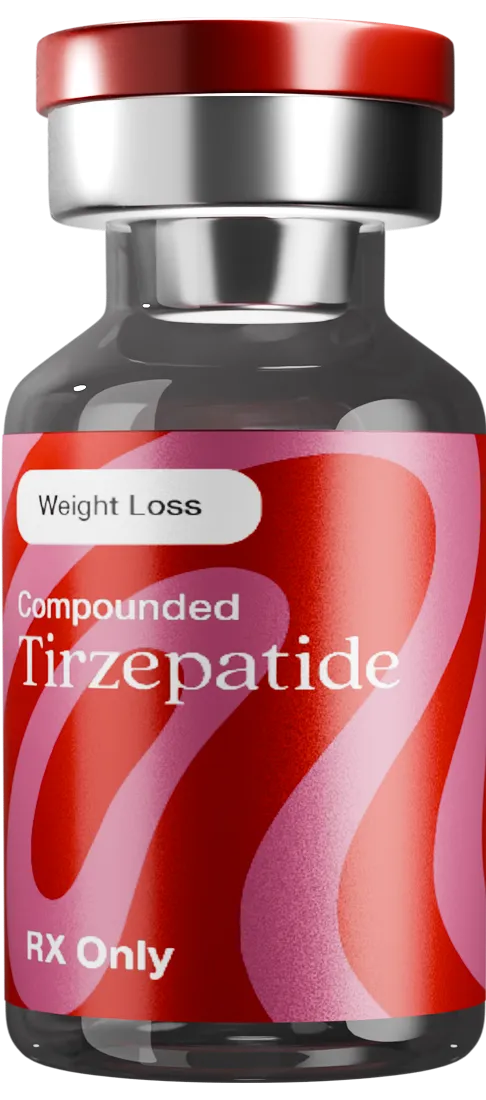
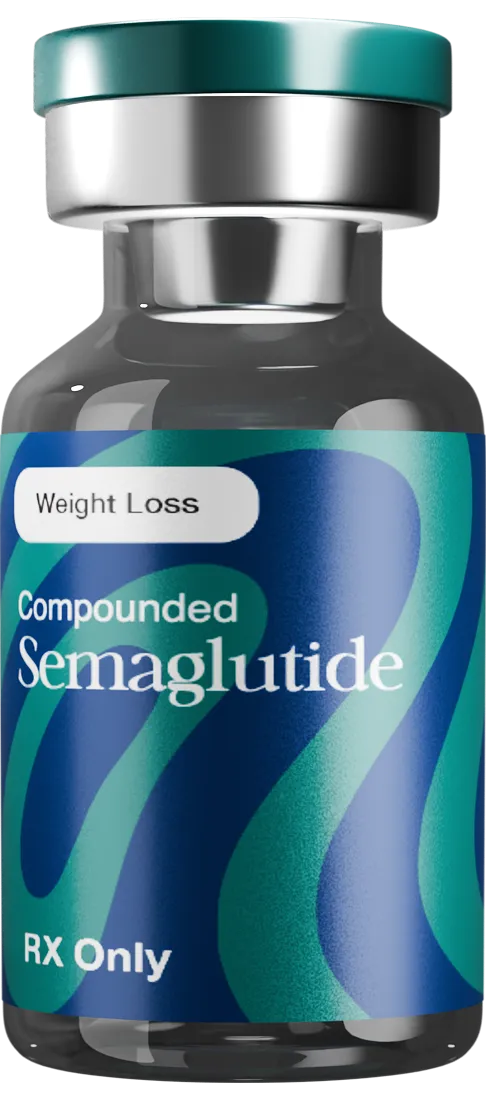
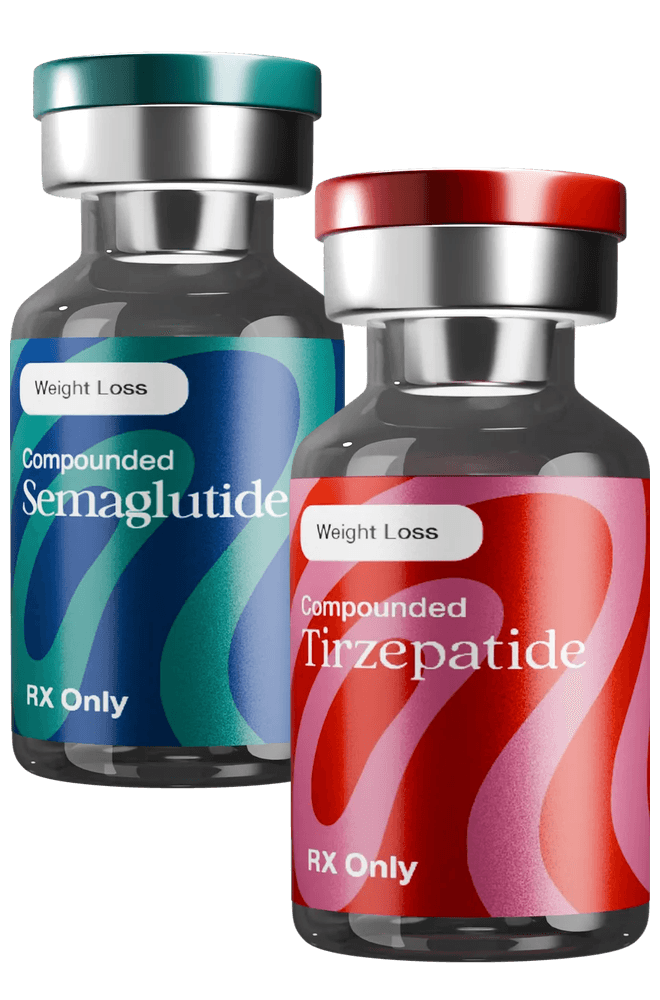
- B12 is added to many compounded semaglutide and tirzepatide formulations (typically 500 to 1,000 mcg cyanocobalamin per dose) because B12 deficiency is a real concern when food intake drops sharply. Branded GLP-1 does not include B12; if you are on Ozempic, Wegovy, Mounjaro, or Zepbound, supplement separately.
- Athletes can use GLP-1, but the body composition trade-off is real. VO2 max generally does not improve, and strength tends to drop in the first 8 to 12 weeks. Recovery slows. Most elite-level performance use is off the table; recreational use is workable with adjusted training.
- The order of operations matters: protein first, training second, B12 third, alcohol last (and least). If you do all four right, you keep more muscle, recover faster, hit fewer plateaus, and feel functional.
This page covers the four daily habits that decide whether GLP-1 works for you long term: alcohol use, protein intake, B12 supplementation, and training as an athlete.
GLP-1 and Alcohol
You do not have to quit. You do have to recalibrate.
Alcohol is not contraindicated on GLP-1, but the same drink hits differently. Three things change:
- Gastric emptying is delayed by up to 70%. Alcohol absorbs slower. Peak blood alcohol takes longer to hit but lasts longer once it does.
- Hypoglycemia risk rises in the 2 to 4 hour window after drinking, especially without food. GLP-1 increases insulin secretion in response to carbs; alcohol blunts gluconeogenesis. The combination can produce real low blood sugar.
- Hangover is worse. Slower gastric emptying means the alcohol metabolites linger. Many users report a single drink producing a next-morning effect they did not get pre-GLP-1.
What the 2026 trial data actually shows
Two recent randomized trials moved this from anecdote to evidence.
The Lancet 2026 trial (n=228, treatment-seeking adults with moderate-to-severe alcohol use disorder and comorbid obesity) randomized participants to once-weekly semaglutide 2.4 mg or placebo on top of cognitive behavioral therapy for 26 weeks. Heavy drinking days in the past 30 dropped by an average of about 12 days on semaglutide, compared with 8 days on placebo. Weight loss was also substantially greater (-11.2 kg vs -2.2 kg). It is the largest randomized signal we have that GLP-1 changes drinking, not just appetite.
The JAMA Psychiatry 2025 phase 2 trial (Klausen et al.) studied non-treatment-seeking adults with AUD over 9 weeks of low-dose semaglutide. Weekly craving scores fell, lab-measured alcohol self-administration fell, and a subgroup who smoked also reduced cigarettes per day. Translation: even people who were not trying to drink less drank less.
For most people on GLP-1 for weight or diabetes, the practical implication is simpler. The drug is doing some of the alcohol-restraint work for you. Many users report a 50 to 75% drop in craving without trying. If you have ever found drinking hard to throttle, this often helps.
Tirzepatide vs semaglutide on alcohol: do they differ?
Tirzepatide is a dual GIP and GLP-1 receptor agonist; semaglutide is a pure GLP-1 agonist. On paper, that is a real mechanism difference. In practice, the alcohol-craving effects look comparable so far.
A 2025 retrospective cohort analysis (Quddos et al.) found significantly lower average drinks and lower odds of binge drinking in both semaglutide and tirzepatide users vs untreated controls, with no clear separation between the two. A 2026 preclinical study showed tirzepatide blunting the dopamine response to alcohol in the nucleus accumbens (the brain's reward hub), even when alcohol was infused directly. So the mechanism appears to be central reward suppression in both, just reached through slightly different doors.
Practically, do not switch from semaglutide to tirzepatide (or vice versa) for alcohol-craving reasons alone. Pick the GLP-1 that fits your weight or glycemic goal. The drinking effect tends to come either way.
The unexpected upside on the liver
Yale data and a Cell Reports Medicine analysis suggest semaglutide protects against alcohol-induced liver damage through anti-inflammatory mechanisms. That does not make heavy drinking on GLP-1 a good idea, but it does shift the harm calculus for moderate drinkers with fatty liver, who are the largest group in the obesity population.
Practical guidance
- Cap: 1 to 2 drinks at most per occasion. The "moderate drinking" guideline (2 men, 1 woman) is the safe ceiling, not a target.
- Eat first. Never drink on an empty stomach on GLP-1. The hypoglycemia risk is real.
- Hydrate aggressively. Slower gastric emptying compounds dehydration.
- Skip the post-injection day. The day after you inject (when peak drug levels hit) is the worst day to drink.
- Watch your weight loss week. Two drinks twice a week is enough to stall progress for many people.
- If drinking has been a real problem, tell your prescriber. The 2026 Lancet data is strong enough that some clinicians will support semaglutide specifically for AUD + obesity, even when the indication is technically off-label.
The single best alcohol rule on GLP-1. Do not drink on injection day or the day after. Save it for day 4 to 6 of the dosing cycle, eat first, and stop at one drink. That single rule prevents almost every nausea / hypoglycemia / "I felt awful all weekend" story we hear.
Protein on GLP-1: The Math That Actually Matters
Most people are eating half what they need.
The standard RDA for protein (0.8 g per kg) was set for sedentary, weight-stable adults eating in calorie balance. None of that describes someone on GLP-1. The relevant target on GLP-1 is 1.2 to 1.6 g per kg of body weight per day, with athletes pushing to 1.6 to 2.0 g/kg. The ADA 2026 Standards of Care now explicitly counsel anyone on obesity pharmacotherapy on adequate protein intake and muscle-strengthening activity to minimize the lean-mass loss that comes with rapid weight reduction.
Why the higher target matters: STEP 1 (semaglutide 2.4 mg) and SURMOUNT-1 (tirzepatide 15 mg) body-composition substudies show roughly 25% of the total weight lost is lean tissue. On a 40 lb loss, that is about 10 lb of muscle if you do nothing. With protein and resistance training, that lean-mass fraction can drop substantially.
The leucine threshold (the per-meal rule no one explains)
Total daily protein matters less than per-meal protein when you are trying to preserve muscle. Each eating occasion needs enough leucine to flip the muscle protein synthesis switch. The threshold is roughly 2.5 g of leucine for adults under 50, and 3 g for adults 50 and older (anabolic resistance climbs with age). That translates to about 25 to 30 g of high-quality animal protein per meal, or 35 to 40 g if your protein source is mostly plant-based (lower leucine density).
Three meals at 30 to 35 g each is far better than five small protein doses or two large meals plus one tiny one. Hit the per-meal threshold every time. On GLP-1, when appetite is suppressed and you can only finish a small portion, a scoop of whey (about 2.5 g leucine in 25 g protein) added to whatever you do eat is the cheapest fix on the menu.
Practical sources that work despite reduced appetite
- Greek yogurt (15 to 20 g per serving, easy to tolerate when nausea is high)
- Cottage cheese (25 g per cup, slow-digesting casein, great pre-bed)
- Whey or casein protein powder (25 to 30 g per scoop, ~2.5 to 3 g leucine, mixable into oatmeal, smoothies, or just water)
- Eggs (6 to 7 g each, easy to scale to per-meal target)
- Chicken breast, turkey, lean beef (25 to 30 g per 100 g cooked)
- Salmon, tuna, white fish (20 to 25 g per 100 g cooked, plus omega-3)
- Tinned fish (sardines, anchovies, tuna at 20 g+ per can, shelf-stable, low effort)
- Tofu, tempeh, seitan (15 to 25 g per serving for plant-based; pair with a leucine-leaning source like soy or pea/whey blend)
- Jerky or biltong (8 to 10 g per oz, useful when nothing else sounds good)
What to do when appetite is too suppressed to hit the target
Weeks 1 to 4 after a dose escalation are the hardest. Three rules that work:
- Front-load protein at breakfast. Appetite is usually highest in the first 4 hours after waking and lowest at dinner. Aim for 35 to 40 g at breakfast so a small dinner does not blow the daily total.
- Use liquid calories deliberately. A whey or whey/casein blend shake is easier to tolerate than a steak when nausea is high. 2 scoops in water = 50 g protein, ~5 g leucine, almost no volume.
- Eat protein first at every meal. If you can only finish half the plate, the half that came in should be protein.
Resistance training is the other half
Protein without training does not preserve muscle. The mechanical signal from lifting weights is what tells your body to keep the muscle you have. Two to three sessions per week is the threshold. Compound movements (squats, deadlifts, presses, rows, pull-ups) deliver more signal per minute than isolation work. 30 to 45 minutes per session is enough. The ADA 2026 obesity standards now formally recommend muscle-strengthening activity for everyone on obesity pharmacotherapy, which includes you.
GLP-1 with B12: When It Matters and When It Does Not
The B12 question splits into two cases.
Case 1: You are on a compounded GLP-1 that already includes B12
Many telehealth-prescribed compounded semaglutide and tirzepatide formulations include cyanocobalamin or methylcobalamin (B12) plus sometimes glycine or L-carnitine in the same vial. Typical compounded doses are 500 to 1,000 mcg of cyanocobalamin per weekly dose, which is well above the daily oral RDA (2.4 mcg) and intentionally over-spec'd to compensate for the 1 to 2% absorption rate that oral B12 hits when stomach acid is low.
The mechanism for adding B12 is real: GLP-1 medications slow gastric emptying and reduce food intake, which can impair B12 cleavage from food protein and intrinsic-factor-mediated absorption. Over 12+ months, that adds up.
If you are on a compounded GLP-1 with B12, you are getting B12 with every shot. No additional supplementation needed unless labs show deficiency.
Case 2: You are on branded Ozempic, Wegovy, Mounjaro, or Zepbound
These formulations are pure GLP-1 (or dual GIP/GLP-1 in tirzepatide's case), no B12. If you eat enough animal foods to maintain B12 status, you are fine. If your appetite is suppressed enough that meat, eggs, and dairy are dropping out of the diet, supplementation is reasonable.
When to test
Annual B12 (serum and methylmalonic acid if borderline) is reasonable for anyone on GLP-1 longer than 12 months. Lower borderline serum B12 (under 300 pg/mL) with elevated MMA is the textbook deficiency picture, and supplementation is warranted. Symptoms to watch for: persistent fatigue out of proportion to calorie intake, tingling in hands or feet, brain fog, and glossitis (sore, smooth tongue).
For the full lab panel, see our GLP-1 labs and bloodwork guide.

GLP-1 for Athletes
You can train on GLP-1. The honest answer about performance is more complicated.
What changes for trained users
- VO2 max generally does not improve despite weight loss. The body weight drops, but the engine does not get bigger. Some studies show VO2 max stays flat or even drops slightly.
- Relative performance can improve in weight-bearing sports (running, cycling uphill, climbing) because you are moving less mass. The body weight loss often beats the absolute VO2 max change.
- Strength tends to drop in the first 8 to 12 weeks, especially if protein and training are not dialed in.
- Recovery is slower. Lower calorie intake plus reduced protein synthesis stimulus equals slower turnaround between sessions. Adjust training frequency accordingly.
- Hydration is harder. GLP-1 reduces thirst. You will under-drink unless you set rules.
- WADA status: GLP-1 receptor agonists are on WADA's monitoring list as of 2026. Tested athletes should consult their federation's specific rules. Tirzepatide, retatrutide, and SLU-PP-332 sit in different categories; check each compound separately.
Recreational athlete protocol that works
- Push protein to 1.6 to 2.0 g/kg, distributed across 4 meals with at least 30 g (and ~3 g leucine) each
- 2 to 3 resistance sessions per week, non-negotiable, prioritizing compound lifts
- Endurance work at conversational pace until appetite normalizes
- Slow titration (stay at lower doses longer) to soften the recovery hit
- Set hydration rules (e.g., 16 oz of water per pound of body weight lost during a session, plus 16 oz before)
- Carbs around training (small carb-protein meal pre-workout, faster carbs post-workout)
- Skip alcohol on training days; the 2 to 4 hour hypoglycemia window is worse when glycogen is already depleted
Frequently Asked Questions
Ozempic-specific alcohol guide: For the dedicated Ozempic and alcohol breakdown including 2025-2026 alcohol use disorder trial data, see the specific guide.
Medical disclaimer. This article is informational only and does not replace individualized medical advice. Decisions about alcohol use, supplementation, or athletic training while on GLP-1 medications should be coordinated with the prescribing clinician, especially in the context of pre-existing conditions, medications, or substance use history.