GLP-1 Labs and Testosterone: Bloodwork to Monitor and Hormone Trajectory (2026)
Published April 28, 2026Updated September 1, 2026
Quick Brief
The full GLP-1 lab panel, follow-up cadence, red flags, and the testosterone trajectory for men (about 18% rise on average, 77% reach healthy range by 18 months).
GLP-1 Labs and Testosterone: Bloodwork to Monitor and Hormone Trajectory (2026)
Most people on GLP-1 never get a single lab drawn. That is fine until something quiet (B12 dropping, kidney function shifting, lipase climbing, testosterone improving without your doctor noticing) actually matters. Here is exactly what to test, when, and what the numbers mean.
Last UpdatedApril 28, 2026
~50%Of obese men have total testosterone below 300 ng/dL at baseline; about 77% reach a healthy range after 18 months on GLP-1
~18%Average rise in total testosterone in obese men on GLP-1 (322 to 380 ng/dL in meta-analysis)
12%Average drop in cardiovascular event risk on semaglutide, partly tracked by lipid and CRP improvements
3 to 6 monthsStandard re-test cadence on GLP-1 once you are past the first stable dose check
🔑 Key Takeaways
FDA does not require any specific labs to start GLP-1, but a baseline panel is the difference between knowing what your body is doing and guessing.
The core baseline panel: HbA1c, fasting insulin, lipid panel, CMP (kidney + liver + electrolytes), TSH, B12, lipase, CBC. Optional: hsCRP, calcitonin if MEN2 family history, fasting C-peptide.
The follow-up cadence: 8 to 12 weeks after starting, then every 3 to 6 months for the first year, then every 6 to 12 months once stable.
Testosterone matters most for men. About half of obese men have total T below 300 ng/dL. GLP-1 raises total T by roughly 18% on average through weight loss, lower aromatase activity, and reduced visceral fat. The effect is mostly secondary, not direct.
The men who benefit most: BMI over 30, fatigue, low libido, baseline total T 200 to 350 ng/dL. By 18 months on GLP-1, roughly 77% reach a healthy T range.
Specific values matter more than the trend: hsCRP under 1, B12 over 400 pg/mL, eGFR over 60, ALT under 45 (men) or 35 (women), lipase under 3x ULN, total T over 350 ng/dL.
Red flags that warrant immediate action: lipase over 3x ULN (pancreatitis), eGFR drop over 15 points, ALT over 2x baseline, sudden vision change, severe abdominal pain.
You can order most of these yourself through direct-to-consumer labs (Quest, Labcorp on demand, Walk-In Lab, ChooseHealth). Useful when you do not want to wait for a clinic visit.
This page is the lab playbook for anyone on GLP-1. Baseline panel, follow-up schedule, what each value means, what to do when something looks off, and the specific testosterone trajectory for men.
The Baseline GLP-1 Lab Panel
What to draw before your first injection.
Test
Why
Target / normal range
HbA1c
Glycemic baseline, dose decision
Under 5.7% optimal; 5.7 to 6.4% prediabetes; 6.5%+ diabetes
Fasting glucose
Acute glycemic state
Under 100 mg/dL optimal
Fasting insulin
Insulin resistance baseline
Under 10 µIU/mL optimal; over 25 strong IR
Lipid panel (LDL, HDL, TG, total)
Cardiovascular risk + tracking improvement
LDL under 100, HDL over 40 (men) or 50 (women), TG under 150
Thyroid function, dose interaction with levothyroxine
0.5 to 4.5 mIU/L
B12 (serum)
Baseline reference for any future deficiency
Over 400 pg/mL optimal
Lipase
Pancreatitis baseline
Under 60 U/L typical; over 3x upper limit = significant
CBC
General hematologic baseline
WBC, RBC, hemoglobin, hematocrit, platelets within range
Optional add-ons
hsCRP (high-sensitivity C-reactive protein) for tracking inflammation. Target under 1 mg/L. GLP-1 typically drops this 30 to 40% over 6 months.
Calcitonin if family history of medullary thyroid cancer or MEN2 syndrome. GLP-1 carries a boxed warning about C-cell tumors (rodent data, not human-confirmed). Most users do not need this; high-risk family history users do.
Fasting C-peptide if there is any question about insulin production capacity (relevant for distinguishing type 2 from late-onset type 1).
Vitamin D, ferritin, magnesium for nutritional status, especially in women and those on restrictive diets.
Total and free testosterone (men) as a baseline, especially if any low-T symptoms are present.
SHBG and estradiol (men) alongside testosterone for full picture.
The GLP-1 Follow-Up Schedule
The "every 3 to 6 months" cadence covers most users.
Time point
What to test
Why
Baseline
Full panel above
Reference point
8 to 12 weeks (first stable dose)
HbA1c (if diabetic), CMP, lipase, hsCRP
Catch acute changes early
6 months
Full repeat panel
Track response, dose adjustment
12 months
Full panel + B12 + testosterone (men)
Annual reassessment
Annually thereafter
Full panel
Long-term safety
Symptom-driven
Whatever fits the symptom
Pancreatitis, severe pain, vision change, severe fatigue
GLP-1 and Testosterone: What Happens for Men
The testosterone effect is one of the most under-discussed benefits.
About half of obese men (BMI over 30) have total testosterone below 300 ng/dL, the AUA threshold for hypogonadism. Most are not on TRT. Many do not know.
What changes on GLP-1, based on the meta-analysis of 4 trials (around 219 patients, mean age 47):
Total testosterone rises by about 18% (322 to 380 ng/dL average)
Bioavailable testosterone rises significantly (the most physiologically meaningful)
Free testosterone rises about 17% on average, though the change is on the edge of statistical significance
SHBG changes are minimal (no significant shift in most studies)
Estradiol tends to drop modestly (less aromatase activity from less fat tissue)
By 18 months on GLP-1, about 77% of obese men with low T reach the healthy range
Mechanism, simplified
The testosterone improvement is mostly secondary, not direct. GLP-1 does not bind the testes or stimulate testosterone production. What it does is reduce visceral fat. Visceral fat tissue contains aromatase, the enzyme that converts testosterone to estrogen. More fat means more conversion, lower T. Less fat means less conversion, higher T. The drug also improves insulin sensitivity, which raises SHBG slightly and reduces metabolic inflammation, both of which support hypothalamic-pituitary-gonadal axis function.
The expected timeline
Time point
Expected total T change
Notes
Baseline
(reference)
About 50% of obese men under 300 ng/dL
3 months
+5 to +10%
Some users notice early energy and libido improvement
6 months
+10 to +15%
Most measurable rise begins around significant weight loss
12 months
+15 to +20%
Approaching meta-analysis average
18 months
+15 to +25%
~77% reach healthy range; effect plateaus with weight stabilization
GLP-1 plus TRT
The combination is safe and is sometimes used deliberately. Drugs.com confirms no clinically significant interaction. If you are on TRT and start GLP-1, expect total T to keep rising as visceral fat drops; monitor hematocrit (TRT raises it; weight loss does not lower it as predictably) and PSA. Some men can lower their TRT dose as endogenous T improves.
Hold GLP-1, repeat in 2 weeks, get hepatology consult if persistent
eGFR drop over 15 points
Hydration check, dose pause, repeat in 1 to 2 weeks
HbA1c rising despite GLP-1
Adherence check, dose increase consideration, evaluate other drivers
B12 under 250 pg/mL
Confirm with MMA. Start supplementation.
Sudden severe abdominal pain
Emergency room. Pancreatitis until proven otherwise.
Sudden vision change
Same-day ophthalmology. NAION is time-sensitive.
Calcitonin rising in MEN2 family history
Endocrinology evaluation, consider stopping GLP-1
Direct-to-Consumer Lab Options
You can order most of this yourself.
For users who want labs without a clinic visit, several direct-to-consumer options offer GLP-1-specific panels that approximate the panel above. Pricing typically runs $80 to $250 depending on the panel size.
Labcorp OnDemand (operates the labs that most clinics use)
Quest Direct (the other major lab network)
Walk-In Lab
Ulta Lab Tests
InsideTracker (more biomarker-focused with interpretation)
Choose Health (curates panels for medication users)
Order, draw at a partner location (Labcorp or Quest), get results in 1 to 5 days. Bring the printout to your prescriber if anything looks off.
Frequently Asked Questions
Are labs required on GLP-1?
No. The FDA does not require specific labs to start or continue GLP-1 medications. Most prescribers do baseline glucose and lipid panels. Comprehensive monitoring is voluntary but worthwhile, especially for long-term users.
Does GLP-1 raise testosterone in men?
Yes, indirectly. Total testosterone rises by about 18% on average over 12 to 18 months in obese men, mostly through weight loss reducing visceral fat and aromatase activity. Roughly 77% of obese men with low baseline T reach a healthy range by 18 months on GLP-1.
How often should I check my labs on GLP-1?
Baseline before starting, recheck 8 to 12 weeks after the first stable dose, then every 3 to 6 months for the first year, then every 6 to 12 months once stable. Symptom-driven testing whenever something feels off.
Should I check lipase on GLP-1?
A baseline lipase is reasonable. Routine lipase monitoring during use is not standard because most pancreatitis presents symptomatically (severe upper abdominal pain) before labs would catch it. Symptom-driven lipase is the more useful approach.
Can I take GLP-1 and TRT together?
Yes. No clinically significant interaction. Many men benefit from the combination because each drug works on a different layer (TRT directly raises T, GLP-1 raises T indirectly through weight loss while addressing the metabolic dysfunction that often coexists). Monitor hematocrit and PSA.
Will GLP-1 lower my testosterone?
No. The data consistently shows a rise in total and bioavailable testosterone in obese men on GLP-1. The few cases where T appears to drop usually involve overly aggressive caloric restriction, severe under-eating, or other confounders unrelated to the drug itself.
What lab finding most reliably predicts GLP-1 response?
Fasting insulin. People with high baseline fasting insulin tend to respond strongly to GLP-1 because their underlying metabolic dysfunction matches what the drug fixes. Low baseline insulin with normal HbA1c and BMI tends to predict smaller responses.
Can I order GLP-1 labs without my doctor?
Yes, in most U.S. states, through direct-to-consumer lab services like Labcorp OnDemand, Quest Direct, or Walk-In Lab. Bring printed results to your prescriber when something is meaningful.
Medical disclaimer. This article is informational only and does not replace individualized medical advice. Lab interpretation, especially in the context of red flags or significant changes from baseline, should be done by a qualified clinician. Decisions about starting, dosing, switching, or stopping GLP-1 medications should be made with the prescribing clinician.
Recommended Supplier
In StockShips from USA
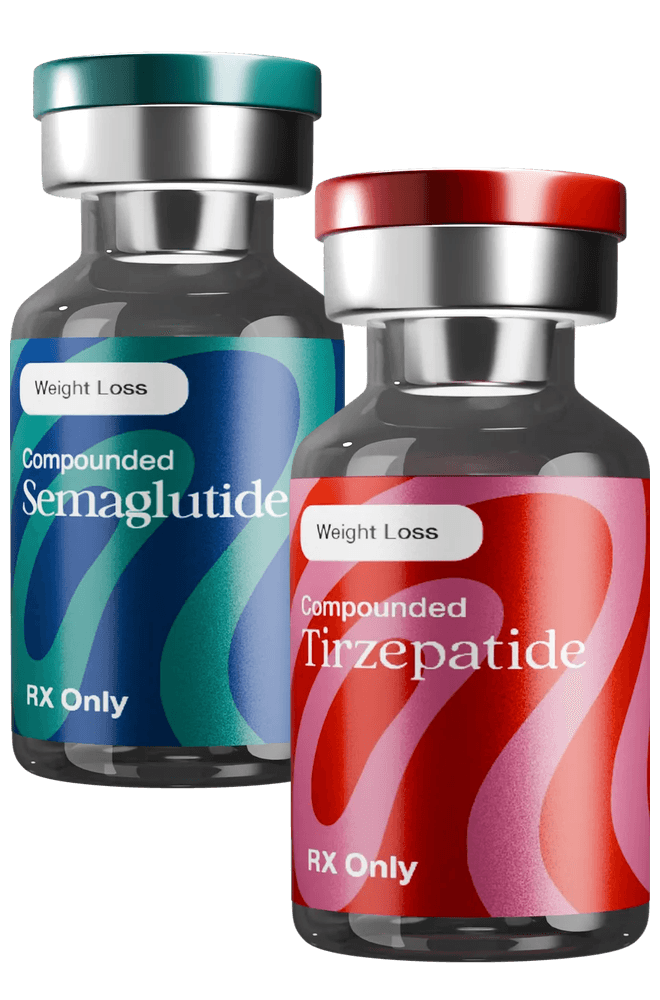
Embody Compounded Semaglutide
Embody Compounded Semaglutide via licensed US telehealth. Flat $69/month, normally $299. Includes all doses, provider visits and fast free shipping. No long-term commitment.