Tirzepatide has been getting serious attention — and if you've seen the trial data (up to 22% average body weight loss), you're probably wondering: how does tirzepatide work to produce results that other weight loss drugs haven't come close to?
The short answer is that tirzepatide is a dual-receptor agonist — it targets two completely different hormone systems simultaneously. But the longer answer, which explains why this matters and what it actually does inside your body, is worth understanding properly.
🔑 Key Takeaways
- How does tirzepatide work? It activates both GLP-1 and GIP receptors — a dual mechanism that consistently outperforms single GLP-1 agonists like semaglutide
- GIP activation affects fat tissue, muscle metabolism, and brain appetite centers in ways that GLP-1 alone doesn't
- Most people notice appetite suppression within 1–2 weeks; meaningful weight loss typically emerges by weeks 8–12
- Tirzepatide outperforms semaglutide on both weight loss and blood sugar control in head-to-head clinical data
- Hair loss and blood pressure effects follow predictable, manageable patterns
What Is Tirzepatide?
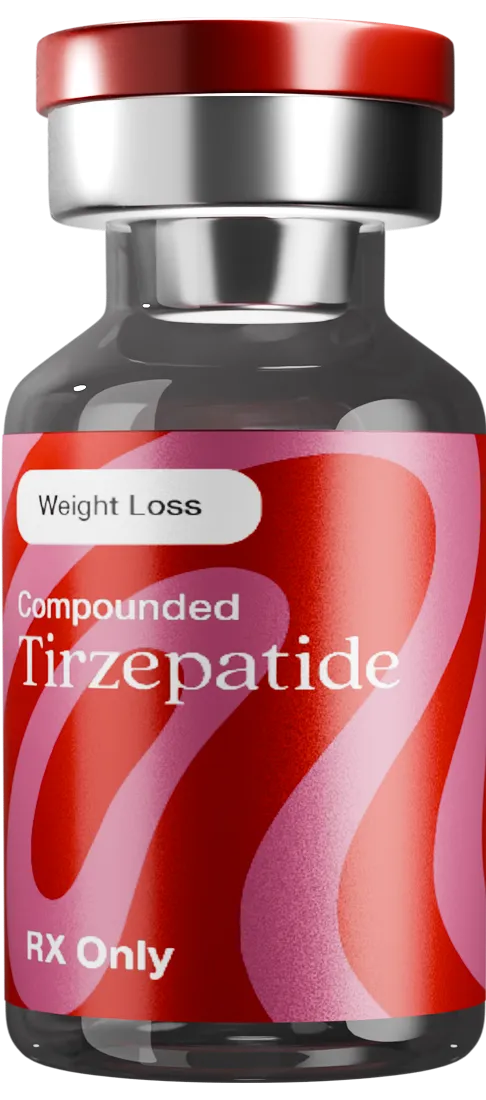
Tirzepatide is a synthetic peptide developed by Eli Lilly. It's the active molecule in Mounjaro (approved for type 2 diabetes) and Zepbound (approved for obesity). How does tirzepatide work at a basic level? It mimics two naturally occurring gut hormones — GLP-1 (glucagon-like peptide-1) and GIP (glucose-dependent insulinotropic polypeptide) — and activates their receptors at the same time.
This "twincretin" approach separates tirzepatide from older GLP-1 drugs. Single GLP-1 agonists (like semaglutide, liraglutide, and dulaglutide) only hit one receptor. Tirzepatide hits two, and the combination appears to produce synergistic metabolic effects beyond what either pathway achieves alone.
Tirzepatide is administered as a weekly subcutaneous injection, starting at 2.5mg and titrating up to 15mg based on tolerance and response.
GLP-1 vs GIP: What's the Difference?
To really understand how does tirzepatide work, you need to understand what GLP-1 and GIP actually do in the body.
GLP-1 (Glucagon-Like Peptide-1) is released from the small intestine after eating. It:
- Stimulates insulin secretion from the pancreas in a glucose-dependent way — it won't cause hypoglycemia when blood sugar is normal
- Suppresses glucagon, which would otherwise raise blood sugar
- Slows gastric emptying so food stays in your stomach longer, extending fullness
- Acts on the brain's hypothalamus and reward centers to reduce appetite and food cravings
GIP (Glucose-Dependent Insulinotropic Polypeptide) is a different gut hormone with a broader role than previously appreciated:
- Also stimulates insulin release
- Acts on adipose (fat) tissue to modulate how fat is stored and released for energy
- Appears to preserve lean muscle mass during weight loss
- Is expressed in the brain, where it may independently reduce appetite
- Enhances the appetite-suppressing effects of GLP-1 when both are activated simultaneously
How Tirzepatide Targets Both Receptors
Here's where how does tirzepatide work gets interesting from a chemistry standpoint. Tirzepatide is a single molecule — not two drugs combined. It was engineered as a peptide with structural features that allow it to bind both GLP-1 and GIP receptors, but with different binding characteristics at each receptor.
Specifically, tirzepatide is a biased agonist at GIP receptors — it activates the GIP receptor in a way that produces different downstream effects than natural GIP does. This biased agonism is thought to explain why tirzepatide's GIP activity promotes fat loss rather than fat storage, which older GIP research had suggested might happen.
The dual activation creates synergistic effects that go beyond simply adding two mechanisms together:
Enhanced Appetite Suppression
GIP receptors in the hypothalamus amplify the appetite-suppressing signal from GLP-1 activation. Together, they reduce food intake and cravings more effectively than either pathway alone — which is central to understanding how does tirzepatide work.
Improved Fat Metabolism
GIP activation in adipose tissue improves how fat is mobilized for energy. Combined with GLP-1's metabolic effects, this appears to shift the body toward preferential fat burning and may explain tirzepatide's superior weight loss outcomes.
Muscle Preservation
Tirzepatide preserves lean muscle mass better than single GLP-1 agonists during weight loss — likely due to GIP's role in muscle metabolism. Better muscle preservation means a higher resting metabolic rate and better long-term weight maintenance.
Superior Insulin Efficiency
Both GLP-1 and GIP stimulate insulin release. Together, they produce stronger insulin secretion with less glucagon, resulting in blood sugar control that outperforms GLP-1 agonism alone.
Tirzepatide Benefits: What It Actually Does in the Body
Understanding how does tirzepatide work means looking at the real outcomes across different body systems — not just the mechanism on paper.
Weight loss: The SURMOUNT-1 trial found participants lost an average of 22.5% of body weight at the maximum 15mg dose over 72 weeks. This substantially exceeds the ~15% seen with semaglutide at its maximum dose. The weight loss is primarily fat mass, with better muscle preservation than traditional calorie restriction or single GLP-1 therapy.
Blood sugar control: In the SURPASS trials, tirzepatide reduced A1c by up to 2.5 percentage points from baseline — among the strongest reductions of any anti-diabetes drug in its class. Most people with type 2 diabetes achieve A1c under 7% on therapeutic doses.
Cardiovascular outcomes: The SURMOUNT-MMO trial is assessing long-term cardiovascular outcomes. Early data on blood pressure, cholesterol, and inflammatory markers is encouraging.
Fatty liver disease (MASH): A recent trial showed tirzepatide resolved MASH (metabolic-associated steatohepatitis) in a significant proportion of patients — a condition with very few effective treatment options.
💡 Tirzepatide's broader metabolic reach
How does tirzepatide work beyond appetite suppression? Researchers are finding meaningful effects on lipid panels (lower triglycerides, higher HDL), sleep apnea (improvement tied to weight loss), and markers of kidney function. The drug appears to address metabolic dysfunction at a systems level, not just as an appetite suppressant.
How Long Does Tirzepatide Take to Work?
How long does tirzepatide take to work depends on what you're measuring. Here's a realistic timeline:
How long does tirzepatide take to work for blood sugar? Much faster than for weight loss — insulin secretion improvements begin with the first dose. How long does tirzepatide take to work for significant weight loss? Full results take 6–12 months of consistent use at a therapeutic dose. Expecting major changes in the first month at 2.5mg will set you up for disappointment.
Tirzepatide vs Semaglutide: Mechanism Comparison
How does tirzepatide work compared to semaglutide? Here's a direct breakdown:
Tirzepatide and Blood Pressure
How does tirzepatide work on blood pressure? Through several converging mechanisms:
Weight loss alone drives significant blood pressure reduction — typically 5–10 mmHg systolic per 10% body weight lost. At 20%+ weight loss on tirzepatide, the blood pressure effects can be substantial over time.
Beyond weight loss, GLP-1 receptor activation has direct vasodilatory effects on blood vessels, and GIP may contribute to reduced sympathetic nervous system activity. Combined, tirzepatide tends to produce moderate, clinically meaningful reductions in systolic blood pressure over 6–12 months of treatment.
Tirzepatide and Hair Loss: What's Actually Happening
Hair loss comes up frequently with tirzepatide — and understanding how does tirzepatide work to cause (or more accurately, not directly cause) this requires the same context as with semaglutide.
Tirzepatide itself doesn't damage hair follicles. The hair shedding people experience is telogen effluvium — a physiological stress response where rapid weight loss pushes a cohort of follicles into the resting/shedding phase simultaneously. About 2–3 months after significant weight loss begins, those hairs shed. The follicles remain alive and will regrow.
Because tirzepatide produces faster and larger weight loss than most alternatives, the hair loss effect can be more pronounced than with semaglutide — but it's still temporary. Maintaining adequate protein intake (100g+/day), addressing nutritional deficiencies, and being patient are the standard management strategies. The hair comes back.
Tirzepatide for Diabetes vs Weight Loss
How does tirzepatide work differently for diabetes versus weight loss? The short answer: the mechanism is the same, but the primary measurable benefit depends on your starting condition.
For type 2 diabetes, tirzepatide's most significant immediate effect is on blood sugar — the GLP-1 and GIP-mediated insulin secretion and glucagon suppression produce rapid A1c improvements. Weight loss follows and further improves insulin sensitivity in a positive feedback loop.
For non-diabetic people using tirzepatide for weight loss, the blood sugar effects still happen (improved insulin sensitivity, better glucose regulation), but the primary measurable outcome is weight reduction. Non-diabetic people in clinical trials achieved the same impressive weight loss results as diabetic participants.
In both cases, how does tirzepatide work long-term depends on continued use. Weight and blood sugar tend to return toward baseline when tirzepatide is stopped — which is consistent with how the drug works (ongoing hormonal signaling) rather than producing permanent biological changes. This is a long-term therapy, not a one-time fix.
💡 Research-grade tirzepatide
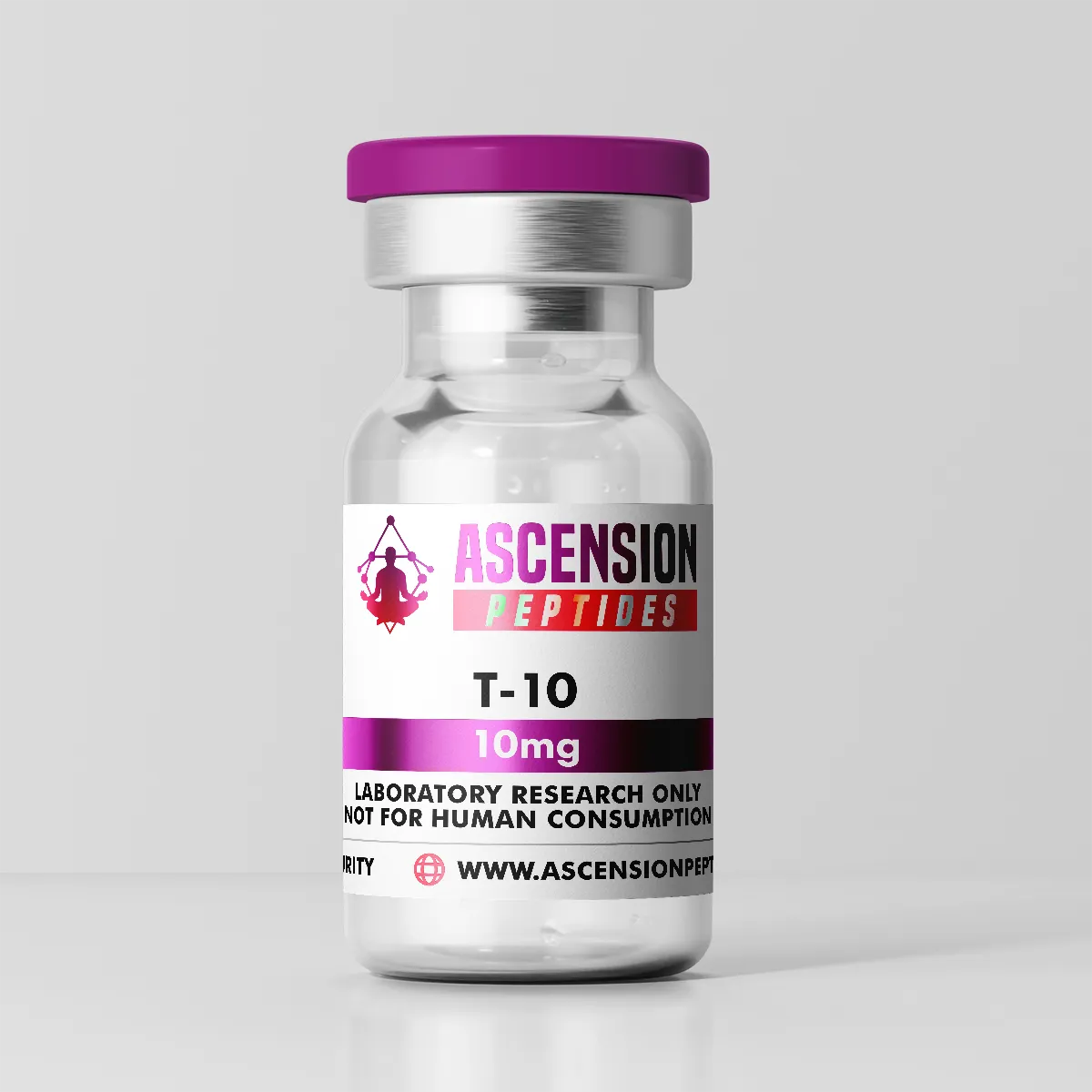
If you're researching tirzepatide for personal use, compounded options like T-10 from Ascension Peptides provide access to the tirzepatide molecule at a fraction of brand-name Mounjaro pricing. Always verify third-party testing and request certificates of analysis before purchasing any compounded peptide.