Your body makes its own antioxidant.
Glutathione is a tripeptide produced naturally in every cell, and it's the most abundant intracellular antioxidant in the human body. The problem is levels decline significantly with age, stress, illness, and alcohol use. By middle age, most people are running on roughly half the glutathione they had at 20. Supplementing directly or supporting the body's production is one of the most evidence-backed interventions in the antioxidant space. This guide covers the benefits, the forms that actually work, the right doses, and what to watch for.
🔑 Key Takeaways
- Glutathione is a tripeptide made from glycine, cysteine, and glutamic acid, your body produces it, but levels drop significantly with age and lifestyle stress
- IV and liposomal glutathione are the only forms with meaningful bioavailability; regular oral capsules are largely broken down before absorption
- Detoxification, immune support, and antioxidant protection are the most documented benefits; skin brightening and athletic recovery are also well-supported
- NAC (N-acetyl cysteine) is the most reliable supplement for raising endogenous glutathione because it provides the rate-limiting precursor, cysteine
- Side effects are rare at standard doses; the main cautions are for people on chemotherapy and those with asthma using nebulized forms
- Oral liposomal at 500-1000mg/day is the practical starting point for most people; IV is more potent but requires clinic access
If clinic access is the obstacle, injectable glutathione is available through licensed telehealth — Embody runs a provider-supervised program from $99/mo with the pharmacy shipping direct.
What Is Glutathione?
Glutathione (GSH) is a small tripeptide built from three amino acids: glycine, cysteine, and glutamic acid. Unlike most peptides covered here, it's not injected from outside the body, your cells synthesize it continuously, primarily in the liver. It exists in two forms: reduced glutathione (GSH, the active antioxidant form) and oxidized glutathione (GSSG). The ratio between these two forms is used clinically as a marker of oxidative stress, the higher the GSSG fraction, the more oxidative burden a cell is under.
The cysteine component is the rate-limiting factor in glutathione production. When cysteine availability drops, through poor diet, age, or chronic stress, the entire synthesis pathway slows down, and cellular antioxidant capacity drops with it. This is why cysteine-rich foods and NAC supplementation are the most effective dietary strategies for maintaining glutathione levels without direct supplementation.
How Glutathione Works
Glutathione operates through several interconnected mechanisms that explain why its effects span so many organ systems:
- Direct free radical neutralization: Glutathione donates electrons to neutralize reactive oxygen species (ROS) and reactive nitrogen species. After donating, it converts to oxidized GSSG, then gets recycled back to GSH by glutathione reductase, an enzyme that requires riboflavin (B2) and NADPH to function.
- Conjugation for detoxification: Glutathione S-transferase enzymes attach glutathione to fat-soluble toxins, heavy metals, and carcinogens, converting them into water-soluble compounds that can be excreted through bile or urine. This is the core of phase II liver detoxification.
- Regeneration of other antioxidants: Glutathione recycles vitamins C and E back to their active forms after they've neutralized free radicals. Without adequate glutathione, these antioxidants are consumed and not replaced.
- Immune modulation: T-cell proliferation and natural killer cell activity depend on adequate intracellular glutathione. Lymphocytes with depleted glutathione have significantly reduced functional capacity.
- Tyrosinase inhibition: At higher concentrations, glutathione inhibits tyrosinase, the enzyme responsible for melanin synthesis, which explains its skin-brightening effects.
One practical consequence of that recycling loop is easy to miss.
Augmenting glutathione in isolation only addresses half the equation. Glutathione operates within an interdependent antioxidant cycle alongside vitamin C and vitamin E, each helping regenerate the others. Because vitamin C is water-soluble and depleted quickly during illness, adequate daily intake is what keeps that cycle turning and glutathione in its active, reduced form.

Glutathione Benefits and Side Effects at a Glance
If you only have 60 seconds, here is the full glutathione benefits and side effects summary before the deep sections below.
Top benefits of glutathione
- Cellular antioxidant defense: Neutralizes oxidative stress from metabolism, toxins, and inflammation; the body's most important intracellular antioxidant.
- Liver detoxification support: Drives Phase II detox conjugation, especially for acetaminophen, alcohol, and environmental toxins.
- Immune function: Required for normal T-cell, NK-cell, and macrophage activity; low glutathione tracks with poor immune resilience.
- Skin brightening and even tone: Inhibits tyrosinase and shifts melanin toward lighter pigment, the basis of glutathione's cosmetic use.
- Mitochondrial protection: Preserves cellular energy production, especially in liver, brain, and skeletal muscle.
- Reduced fatigue and recovery support: Many users report better post-exercise recovery and lower oxidative load with consistent dosing.
Known side effects of glutathione
- Mild stomach upset or bloating: Most common with oral and sublingual forms, usually resolves within a week or with food.
- Skin reaction or rash: Rare; can occur with IV glutathione and very high oral doses.
- Asthma trigger in sensitive individuals: Inhaled and nebulized glutathione can provoke bronchospasm in some asthmatic users; not recommended for them.
- Loss of skin pigment (with prolonged high-dose IV use): The same tyrosinase inhibition behind skin brightening can, at very high IV doses over long periods, cause patchy depigmentation. This is dose- and duration-dependent.
- Headache or fatigue at start: Some users report a short adjustment period, typically the first 3 to 7 days.
- Drug interactions: Can interact with chemotherapy drugs and some immunosuppressants; clear it with your doctor if you are on either.
Full mechanism, evidence, and dosage details for each are covered in the sections below.
Glutathione Benefits
Antioxidant Protection and Cellular Defense
This is glutathione's primary biological role. Every cell in the body faces continuous oxidative assault from metabolism, environmental toxins, radiation, and inflammation. Glutathione is the first-line cellular defense against this damage. When levels are chronically low, oxidative stress accumulates and accelerates cellular aging, DNA damage, and disease progression. Maintaining adequate glutathione doesn't produce a dramatic short-term effect, it's cumulative protection over years and decades.
Liver Detoxification
The liver holds the highest concentration of glutathione in the body, which reflects how central it is to detox function. Glutathione conjugates with toxins from alcohol, medications, environmental chemicals, and heavy metals, marking them for excretion. In clinical settings, IV glutathione is used to support liver function in patients with NAFLD (non-alcoholic fatty liver disease) and drug-induced liver injury. Studies in NAFLD patients show IV glutathione reduces serum ALT and AST levels, indicating reduced liver inflammation and damage. This is a specific, measurable hepatoprotective benefit, not a general wellness claim.
Immune Function
Immune cells, particularly T-lymphocytes and natural killer cells, require high intracellular glutathione to function properly. GSH deficiency impairs the ability of immune cells to proliferate in response to infection and reduces their killing capacity. People with chronic illness, frequent infections, or immunocompromised states often have significantly depleted glutathione levels. Restoring levels, whether through direct supplementation or precursor support, improves immune cell function in a measurable way.
Beyond general defense, intracellular glutathione acts as a biological checkpoint for adaptive immunity. T-cells cannot multiply or carry out clonal expansion without adequate glutathione reserves.

Skin Brightening and Tone Improvement
Glutathione is widely used for skin lightening and brightening across Southeast Asia, where IV glutathione clinics are mainstream. The mechanism is inhibition of tyrosinase, the enzyme that converts tyrosine to melanin. Less melanin production means lighter, more even skin tone. Clinical studies using oral glutathione at 500mg/day show a statistically significant reduction in the melanin index within 4 weeks, with the effect continuing and deepening at 8-12 weeks. The effect is dose-dependent and reverses when supplementation stops, since it's suppressing an active enzyme rather than permanently altering melanocyte function.
Athletic Recovery and Exercise Performance
Intense exercise generates significant oxidative stress, this is partly what drives adaptation, but excessive ROS accumulation impairs recovery and causes delayed onset muscle soreness (DOMS). Glutathione supplementation at 1000mg/day has been shown in randomized controlled trials to reduce oxidative stress markers after exercise and reduce the magnitude of DOMS in the days following training. For athletes doing high-volume work, maintaining glutathione levels is a practical recovery strategy, not just an antioxidant supplement.
Neurological Protection
Glutathione depletion in the substantia nigra is one of the earliest detectable changes in Parkinson's disease, preceding dopamine neuron loss. A landmark study by Sechi et al. showed IV glutathione administered directly improved motor symptoms in Parkinson's patients, though the effect was short-lived without continued administration. More broadly, the brain is highly vulnerable to oxidative stress due to its high metabolic rate and lipid content. Maintaining adequate glutathione is considered neuroprotective for age-related cognitive decline, though long-term human trials on this outcome are limited.
Inflammation in the brain, where glutathione is critical, is rarely perceived as physical pain. It surfaces instead as an aggravation of your baseline neurological state: heightened anxiety, disrupted sleep architecture, and executive function fatigue.
That framing matters for anyone self-assessing. The early signs of a glutathione-starved brain look like ordinary stress, which is exactly why they get ignored.
Metabolic and Insulin Function
Emerging evidence suggests glutathione deficiency is associated with impaired insulin signaling and elevated insulin resistance. Older adults with type 2 diabetes have significantly lower glutathione synthesis rates than healthy controls. In a small but carefully conducted trial, cysteine and glycine supplementation to raise glutathione levels improved insulin sensitivity and reduced oxidative stress markers in elderly subjects. This benefit area is less established than the others but mechanistically plausible.
Forms of Glutathione: Which One Works
Why regular oral glutathione often doesn't work
Glutathione is a tripeptide, and the digestive system is designed to break down peptides into their component amino acids. Standard glutathione capsules are largely degraded by gut enzymes and intestinal mucosa before reaching systemic circulation. You absorb glycine, cysteine, and glutamic acid, not intact glutathione. Liposomal encapsulation and acetylation are the two strategies that meaningfully protect glutathione through the GI tract. If you're using a basic glutathione capsule without one of these modifications, you're mostly paying for three amino acids.
Glutathione Dosage
IV Glutathione
- Standard clinical dose: 600-1200mg per session
- Frequency: 1-3 sessions per week for therapeutic goals; monthly maintenance once target is reached
- Administration: Slow IV push or infusion over 15-30 minutes; too-rapid IV administration is associated with cramping and nausea
- Context: Used in clinics for liver disease, Parkinson's support, skin brightening programs, and heavy metal detox protocols
Oral Liposomal Glutathione
- Maintenance dose: 500mg/day
- Therapeutic dose: 500-1000mg/day
- Timing: Empty stomach preferred for absorption; morning is most common
- Skin brightening: 500mg/day shows measurable effects at 4-8 weeks; results continue improving through 12 weeks
NAC (to raise endogenous glutathione)
- Standard dose: 600-1800mg/day
- Split dosing: 600mg two to three times daily is better tolerated than a single large dose
- Timing: With food reduces GI discomfort
- Most cost-effective strategy for long-term maintenance of glutathione levels
Combining Approaches
Many protocols combine NAC for daily baseline support with periodic liposomal or IV glutathione for acute loading. Alpha lipoic acid is often added because it recycles both glutathione and vitamin C simultaneously and independently raises cellular GSH production.
Glutathione Side Effects
Glutathione is well-tolerated at standard doses across all major routes. Side effects are uncommon but worth knowing:
- Zinc depletion: High-dose or long-term glutathione supplementation may lower zinc levels. Supplementing zinc alongside is a reasonable precaution for anyone using therapeutic doses over months.
- GI discomfort: Mild bloating, nausea, or cramps with oral forms, particularly high doses on an empty stomach. Usually resolves by taking with food or reducing dose temporarily.
- IV reactions: Too-rapid IV administration causes cramping, chest tightness, and nausea. This is administration-related, not a drug reaction, slow infusion prevents it.
- Skin lightening: Intended for some users, unwanted for others. Effects reverse on discontinuation.
- Asthma risk with nebulized glutathione: Inhaled glutathione can trigger bronchospasm in asthmatic patients. This form is sometimes used for respiratory conditions but requires monitoring in people with reactive airway disease.
Who should avoid or use caution with glutathione
- Chemotherapy patients: Glutathione is an antioxidant, and some chemotherapy drugs work partly through oxidative damage to cancer cells. Supplementing during active chemotherapy may reduce treatment efficacy. Discuss with your oncologist before using any antioxidant supplement during treatment.
- Asthma (nebulized form only): Inhaled glutathione can cause bronchospasm in susceptible individuals. Oral and IV forms do not carry this risk.
- Pregnancy and breastfeeding: Insufficient data. Avoid supplemental forms beyond normal dietary intake.
How to Inject Glutathione: SubQ Reconstitution & Protocol
The dosing tables above focus on IV and oral glutathione, but a growing number of people run glutathione at home by subcutaneous (subq) injection, the same low-volume route used for most research peptides. Injecting bypasses the gut, which matters because oral glutathione barely raises plasma levels: in healthy volunteers a 3 gram oral dose produced no significant rise in circulating glutathione, since intestinal and hepatic enzymes degrade the tripeptide before it is absorbed.[1] This section is a hands-on guide to reconstituting a glutathione vial with bacteriostatic water, drawing an accurate dose, and injecting it safely.
Step 1: Reconstitute With Bacteriostatic Water
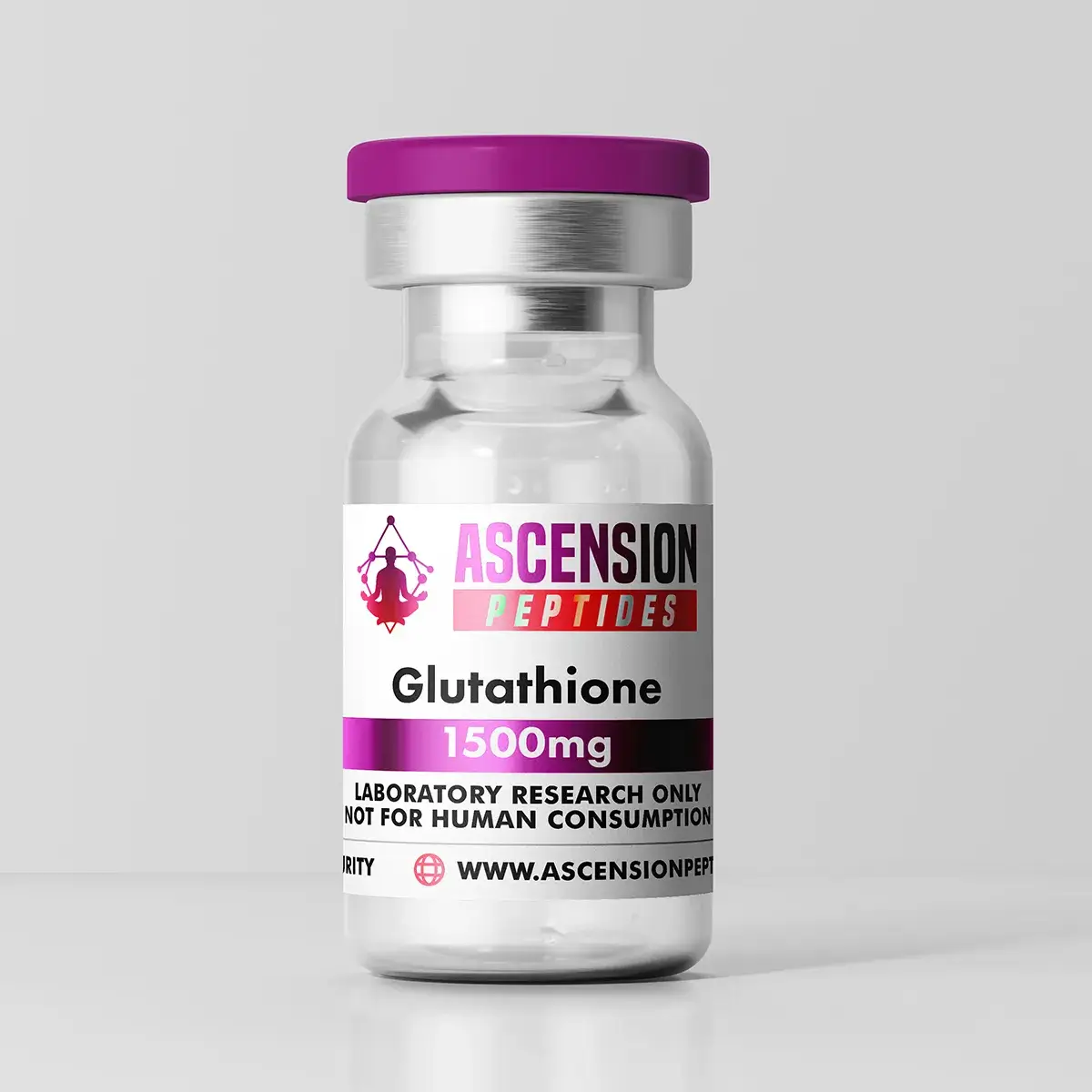
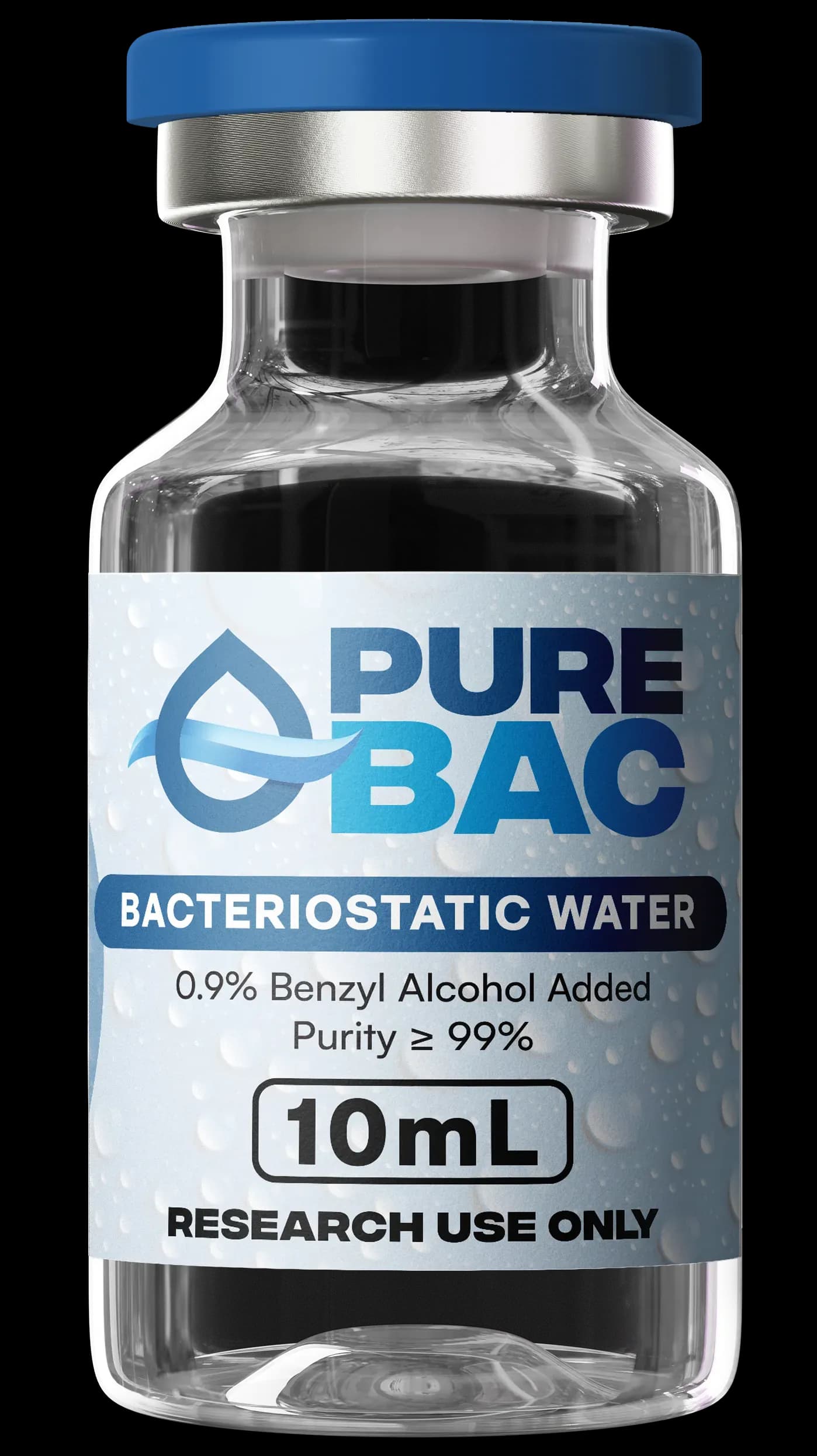
Glutathione for injection ships as a freeze-dried (lyophilized) powder that must be reconstituted before use. The standard diluent is bacteriostatic water, sterile water containing 0.9% (9 mg/mL) benzyl alcohol; the preservative is what allows repeated withdrawals from a multi-dose vial over the following weeks.[3] Wipe both rubber stoppers with an alcohol swab, draw your chosen volume of bac water, and inject it slowly down the inside wall of the vial rather than straight onto the powder. Let the powder dissolve on its own or swirl gently. Do not shake, since vigorous agitation foams the solution. The volume of water you add sets the concentration, so pick it deliberately; our step-by-step reconstitution guide walks through the math and the peptide dosing and storage primer covers the same workflow.
Step 2: Draw the Dose
Use a U-100 insulin syringe (0.3 to 1 mL, 27 to 31 gauge) so the markings read directly in insulin units, where every 10 units equals 0.1 mL. To convert milligrams to units, divide your target dose by the concentration in mg/mL, then multiply by 100. Glutathione leaves the bloodstream quickly, with an IV half-life of roughly 14 minutes,[2] so subq protocols favor smaller amounts given several times per week rather than one large weekly shot; keep the per-injection amount within the lower end of the clinic ranges covered earlier. Tap out air bubbles and confirm the volume before injecting.
Step 3: SubQ Technique, Sites & Rotation
Pinch a fold of skin and insert the needle at 45 to 90 degrees into the fatty layer just under the skin, not into muscle. International injection guidance recommends short 4 to 6 mm needles into healthy subcutaneous fat and warns against intramuscular delivery, which is more painful and alters absorption.[4] Aspiration is not needed for subq shots. The best sites are the abdomen (at least two inches from the navel), the outer thigh, the upper outer buttock, and the back of the upper arm. Rotate both the region and the exact spot every injection; repeatedly hitting one area causes lipohypertrophy (lumpy, scarred fat) that makes absorption erratic.[4] The technique is identical to other peptide injections, so the same routine in our subcutaneous injection guide, GHK-Cu injection protocol, and NAD+ home injection protocol applies here. Follow basic injection safety: one needle, one syringe, one time, then discard into a sharps container.[5]
Frequency & Storage
Most at-home antioxidant and skin-tone protocols inject two to five times per week; see NAD+ vs glutathione if you are deciding between them, and best peptides for skin for brightening stacks. Store the reconstituted vial in the refrigerator at 2 to 8 °C, protected from light, and use it within the labeled window (commonly about 28 days for benzyl-alcohol-preserved solutions).[3] Let a dose reach room temperature before injecting to reduce stinging, and discard any vial that turns cloudy or shows particles. If injecting is not for you, the best oral glutathione options and a rundown of glutathione's evidence-backed benefits cover non-injectable routes.
Sterility and source quality come first
Injectables carry infection and contamination risk that oral supplements do not, so product quality is non-negotiable. Buy only from a reputable peptide source that provides third-party testing, look for certificate-of-analysis verification, and review the general risks of peptide use before you start. Bacteriostatic water is not for use in neonates, and anyone pregnant, breastfeeding, or on chemotherapy should not self-inject glutathione without physician oversight.[3]
References
- Witschi A, Reddy S, Stofer B, Lauterburg BH. The systemic availability of oral glutathione. Eur J Clin Pharmacol. 1992;43(6):667-9 (PMID 1362956).
- Aebi S, Assereto R, Lauterburg BH. High-dose intravenous glutathione in man. Pharmacokinetics and effects on cyst(e)ine in plasma and urine. Eur J Clin Invest. 1991;21(1):103-10 (PMID 1907548).
- Bacteriostatic Water for Injection, USP - FDA Prescribing Information (DailyMed). Accessed 2026.
- Frid AH, Kreugel G, Grassi G, et al. New Insulin Delivery Recommendations. Mayo Clin Proc. 2016;91(9):1231-55 (PMID 27594187).
- Centers for Disease Control and Prevention. Preventing Unsafe Injection Practices (One Needle, One Syringe, Only One Time). CDC Injection Safety. Accessed 2026.