Women's physiology presents unique considerations when it comes to peptide research and potential applications. From hormonal fluctuations to higher rates of autoimmune conditions, the female body responds differently to various compounds. This comprehensive guide examines the peptides most relevant to women's health goals, backed by current research.
🔑 Key Takeaways
- Peptides like GHK-Cu and Epithalon offer targeted skin and anti-aging benefits without hormonal disruption
- BPC-157 addresses gut health and healing—common concerns in women
- Ipamorelin provides growth hormone benefits with minimal side effect concerns
- PT-141 is the only FDA-approved peptide specifically for female sexual dysfunction
- Always consult healthcare providers before starting any peptide protocol
Understanding Peptides for Women's Health
Peptides are short chains of amino acids that act as signaling molecules in the body. Unlike anabolic hormones that can cause masculinizing effects, most therapeutic peptides work through natural physiological pathways. This makes them particularly interesting for women seeking wellness support without hormonal disruption.
Women face unique health challenges throughout life—from reproductive health and hormonal balance to higher rates of autoimmune conditions and osteoporosis. The peptides discussed here have been selected based on their relevance to these concerns and their established safety profiles in research.
1. GHK-Cu (Copper Peptide)
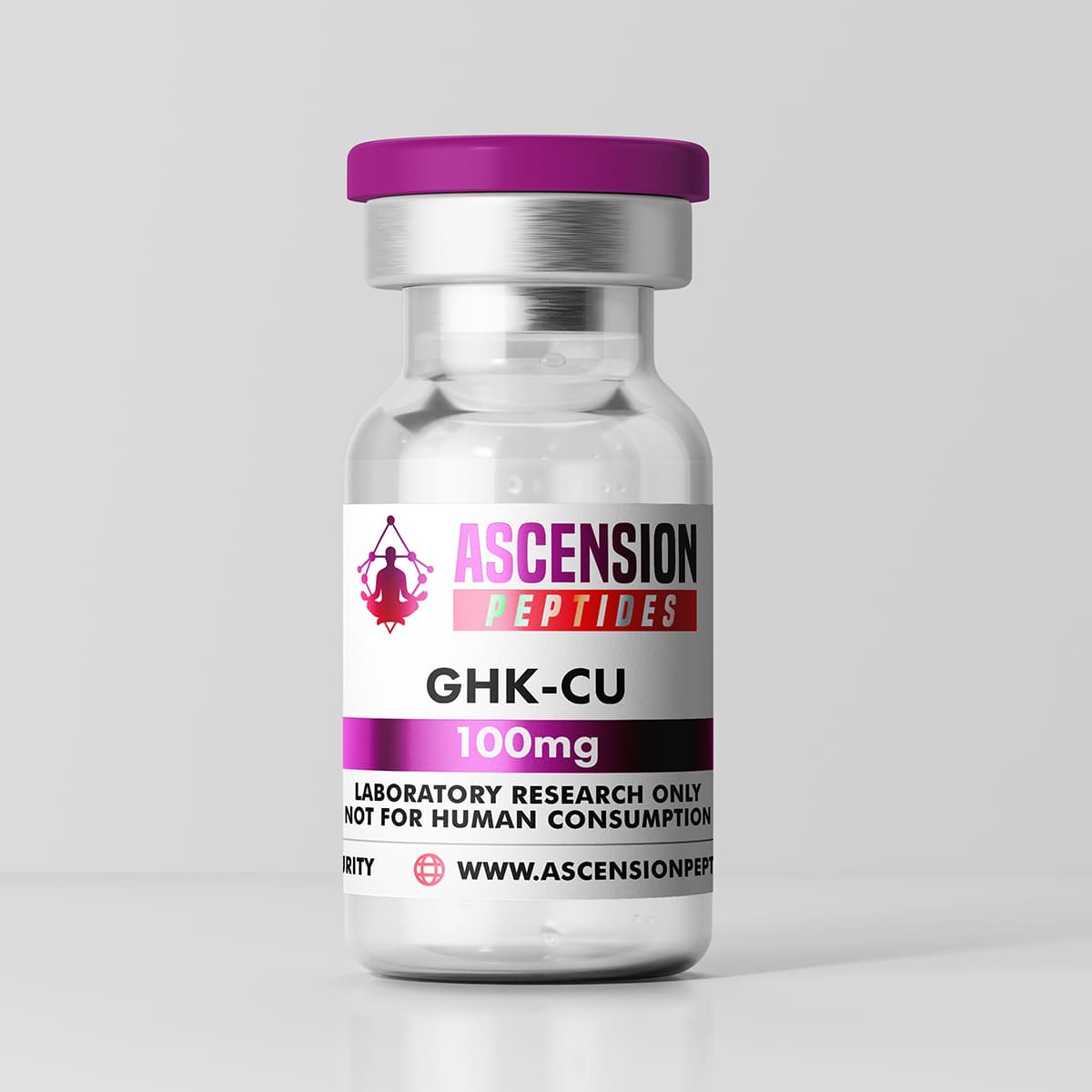
GHK-Cu is arguably the most well-researched peptide for skin health and wound healing. This copper-binding tripeptide naturally occurs in human plasma but declines significantly with age—from approximately 200 ng/ml at age 20 to 80 ng/ml by age 60.
Collagen Synthesis
Stimulates production of collagen types I, II, and III for improved skin elasticity.
Antioxidant
Activates SOD (superoxide dismutase) to combat oxidative stress and free radical damage.
Hair Health
Research shows it may increase hair follicle size and stimulate growth.
Why it's excellent for women: GHK-Cu addresses visible aging through multiple mechanisms without affecting hormones. Topical formulations are widely available and well-tolerated, making it accessible for everyday use. Injectable forms offer more systemic benefits.
Pro Tip
GHK-Cu pairs exceptionally well with other skin-supporting peptides and can be applied topically as part of a skincare routine or used systemically for whole-body benefits.
2. Epithalon (Epitalon)
Epithalon is a synthetic tetrapeptide based on epithalamin, a natural peptide produced by the pineal gland. Its primary mechanism involves activating telomerase, the enzyme responsible for maintaining telomere length—a key marker of cellular aging.
Research highlights:
- Studies show increased telomerase activity in human cell cultures
- May help regulate circadian rhythms and improve sleep quality
- Animal research suggests potential immune system modulation
- Demonstrated antioxidant properties in multiple studies
Why it's relevant for women: Women often experience sleep disruption during perimenopause and menopause. Epithalon's effects on melatonin regulation and circadian rhythm may offer particular benefits during these transitions. Its anti-aging mechanisms work independently of sex hormones.
3. BPC-157 (Body Protection Compound)
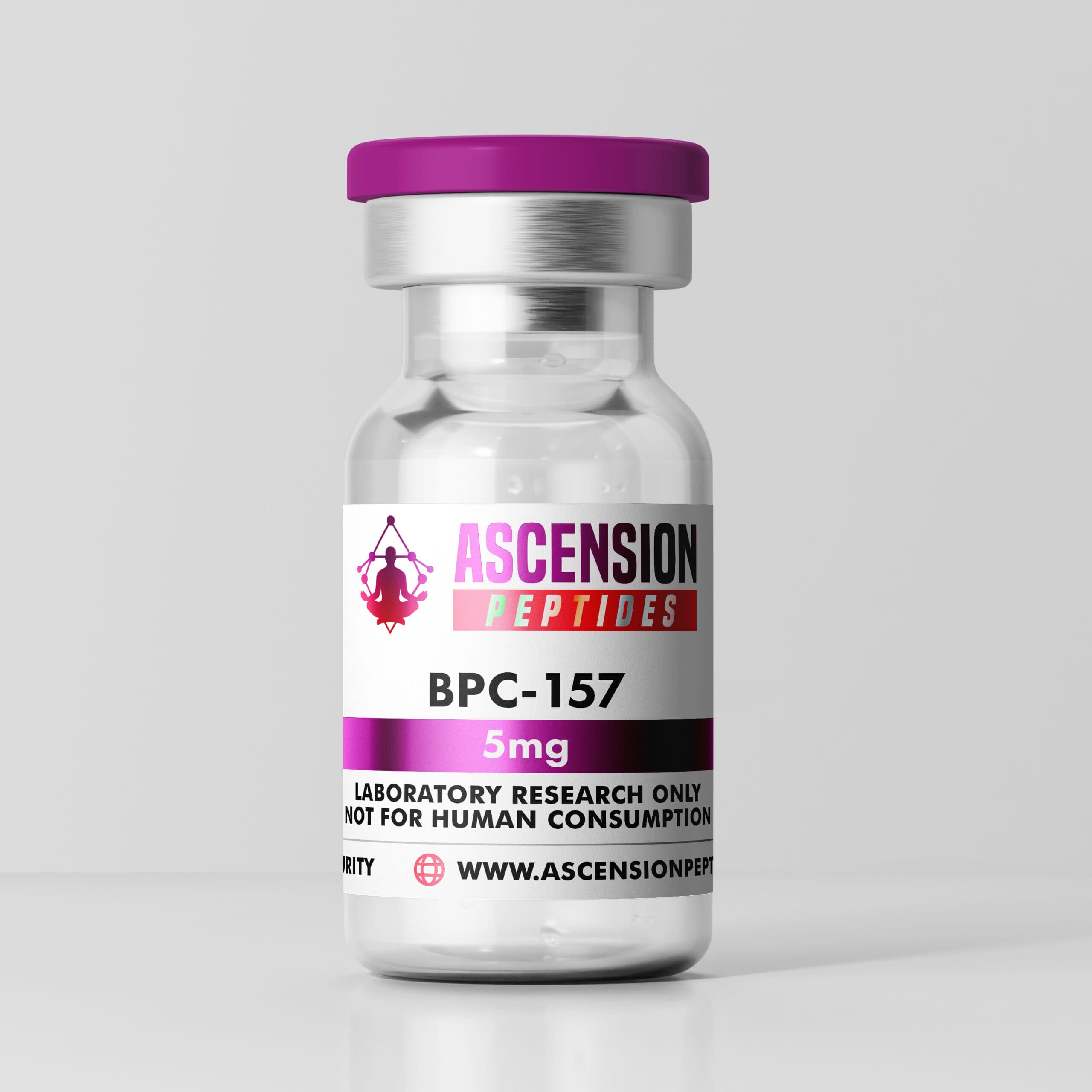
BPC-157 is a 15-amino acid peptide derived from a protein found in human gastric juice. It has become one of the most extensively researched healing peptides, with studies demonstrating tissue-protective effects across multiple organ systems.
Key research areas:
- Gastrointestinal protection and healing (IBS, leaky gut, NSAID damage)
- Tendon and ligament repair—important for women with higher injury rates
- Neuroprotective effects and potential mood support
- Counteracting NSAID-induced damage (relevant for menstrual pain management)
Why it's excellent for women: Women are twice as likely as men to experience IBS and other functional gut disorders. BPC-157's gastric origin and gut-healing properties make it particularly relevant. It also shows promise for ACL injuries, which occur 2-8 times more frequently in female athletes.
Learn more about healing applications: Best Peptides for Healing and Recovery
4. TB-500 (Thymosin Beta-4)
TB-500 is a synthetic version of thymosin beta-4, a naturally occurring peptide that plays crucial roles in tissue repair and regeneration. It works through different mechanisms than BPC-157, making them complementary in healing protocols.
Cell Migration
Promotes movement of repair cells to injury sites.
Wound Healing
Accelerates healing of both acute and chronic wounds.
Flexibility
Reduces scar tissue formation and improves tissue flexibility.
Why it's relevant for women: TB-500's anti-inflammatory and healing properties address joint issues that become more common after menopause. Its ability to improve flexibility and reduce scarring also has applications in post-surgical recovery.
Compare these healing peptides: BPC-157 vs TB-500 Comparison Guide
5. Ipamorelin
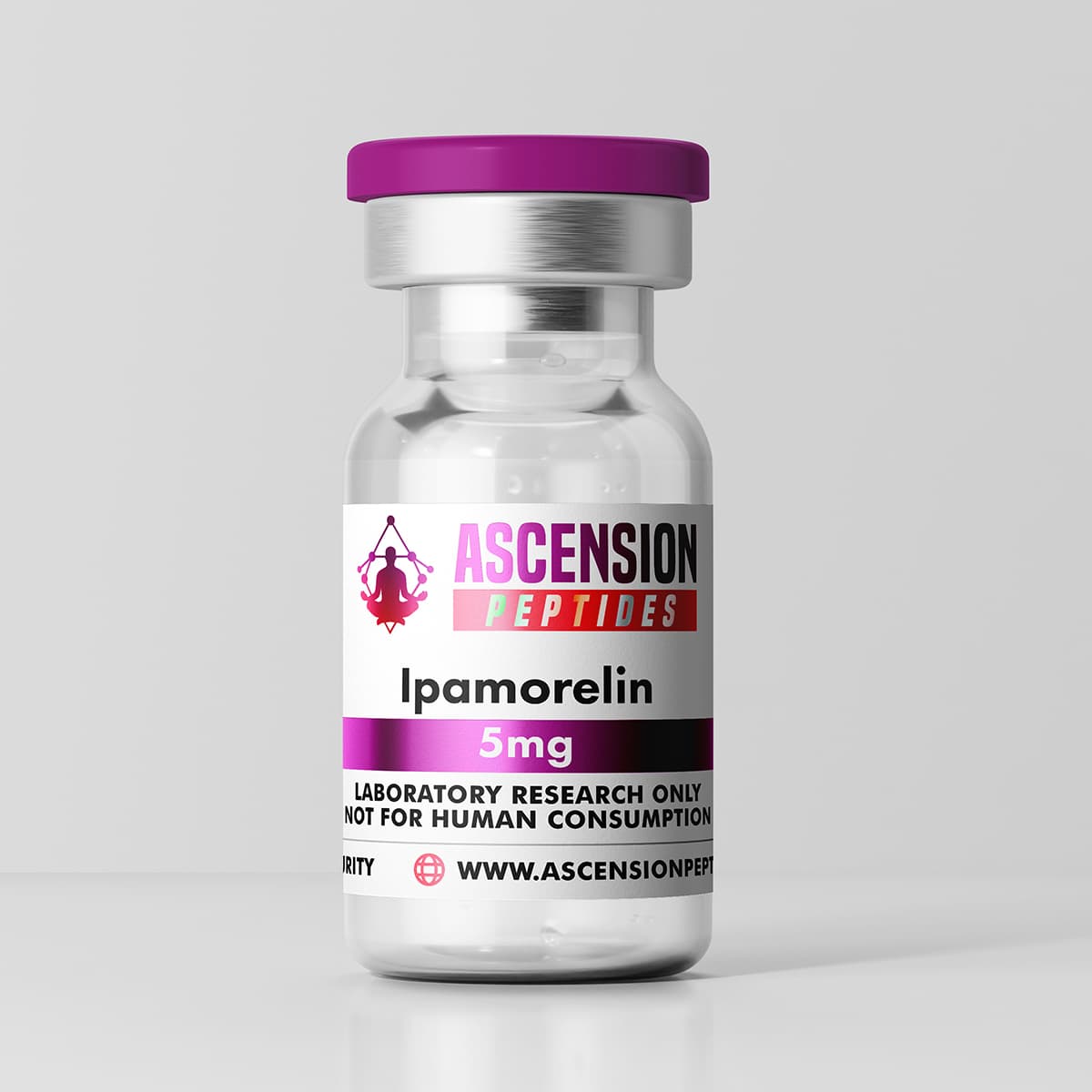
Ipamorelin is a growth hormone secretagogue that stimulates the pituitary gland to release natural growth hormone. Unlike synthetic HGH, it works within physiological parameters and maintains the body's natural feedback mechanisms.
Benefits supported by research:
- Improved body composition (reduced fat, maintained muscle)
- Better sleep quality through enhanced GH release during sleep cycles
- Skin and hair improvements associated with growth hormone
- Potential bone density support—critical for women post-menopause
- Anti-aging effects without masculinizing concerns
Typical protocols: Often combined with CJC-1295 (with or without DAC) for synergistic effects. This combination is covered in our CJC-1295 DAC Comparison.
6. Tesamorelin
Tesamorelin is an FDA-approved GHRH (growth hormone-releasing hormone) analog originally developed for HIV-associated lipodystrophy. It has gained attention in longevity and body composition research.
Why it's relevant for women: Post-menopausal women often experience increased visceral fat accumulation due to hormonal changes. Tesamorelin's FDA-approved status provides a higher level of safety data compared to research-only peptides.

7. PT-141 (Bremelanotide)
PT-141 (brand name Vyleesi) is the only FDA-approved peptide specifically for female sexual dysfunction—hypoactive sexual desire disorder (HSDD). It works through melanocortin receptors in the brain rather than through blood flow mechanisms.
How PT-141 differs from other treatments:
- Works centrally in the brain, not peripherally
- Addresses desire/arousal through neural pathways
- Used as-needed rather than daily
- Effective for both pre- and post-menopausal women in clinical trials
Clinical evidence: In Phase 3 trials, PT-141 showed statistically significant improvements in sexual desire and associated distress compared to placebo. Effects typically begin 45 minutes to 2 hours after subcutaneous injection.
8. Thymosin Alpha-1
Thymosin Alpha-1 is an immune-modulating peptide naturally produced by the thymus gland. It's approved in over 35 countries for various conditions, though it remains investigational in the US.
Immune Modulation
Balances immune responses—enhancing when needed, calming when overactive.
Antiviral Activity
Supports the body's natural defenses against viral infections.
Autoimmune Balance
Research suggests potential benefits for autoimmune conditions.
Why it's particularly relevant for women: Women are significantly more likely to develop autoimmune conditions—approximately 80% of autoimmune disease patients are female. Thymosin Alpha-1's immune-modulating (rather than simply immune-boosting) properties make it interesting for conditions like Hashimoto's thyroiditis, lupus, and rheumatoid arthritis.
9. Semaglutide
Semaglutide (Wegovy, Ozempic) is a GLP-1 receptor agonist that has transformed weight loss treatment. As an FDA-approved medication, it has extensive clinical trial data supporting its efficacy and safety.
How it works:
- Mimics GLP-1 hormone to reduce appetite and food intake
- Slows gastric emptying for prolonged satiety
- Improves insulin sensitivity and blood sugar control
- May have cardiovascular protective effects
Considerations for women: Clinical trials included balanced male/female populations, and efficacy was consistent across sexes. GI side effects (nausea, constipation) are common initially but typically improve. Discuss with your doctor if planning pregnancy, as it should be discontinued 2 months prior.
For more options: Best Peptides for Fat Loss
10. MOTS-c
MOTS-c is a mitochondrial-derived peptide that has emerged as a significant player in metabolic health research. It's encoded in mitochondrial DNA and appears to regulate metabolic homeostasis.
Research findings:
- Improved glucose metabolism and insulin sensitivity
- Enhanced fat oxidation and reduced obesity in animal models
- Exercise-mimetic effects on cellular metabolism
- Potential longevity benefits through metabolic optimization
Why it's interesting for women: Women often experience metabolic changes during hormonal transitions. MOTS-c's ability to improve metabolic function may be particularly relevant during perimenopause and menopause when insulin sensitivity typically decreases.
Choosing the Right Peptides for Your Goals
Safety Considerations for Women
- Pregnancy & Breastfeeding: Most peptides are contraindicated during pregnancy and breastfeeding due to lack of safety data
- Hormonal Interactions: Discuss with your doctor if using hormonal contraceptives or HRT
- Fertility: Some peptides may affect fertility—important if trying to conceive
- Cancer History: Growth-promoting peptides require caution with any history of hormone-sensitive cancers
General safety guidelines:
- Start with lower doses and titrate up based on response
- Source peptides only from reputable suppliers with third-party testing
- Monitor for side effects and report to your healthcare provider
- Consider baseline bloodwork before starting any protocol
- Take breaks between cycles as recommended for each peptide
Learn more about peptide administration: How to Reconstitute Peptides
Working with Healthcare Providers
While peptides offer exciting research potential, the best outcomes occur under proper medical supervision. Look for providers who:
- Have experience with peptide therapy
- Order appropriate baseline and follow-up labs
- Take a comprehensive health history
- Understand female-specific considerations
- Source pharmaceutical-grade peptides when possible