If you've been researching peptides for healing and recovery, you've probably encountered a confusing landscape of compounds, each claiming remarkable regenerative properties. The reality? While several peptides show genuine promise in preclinical research, understanding what the science actually says—versus marketing hype—is essential.
This guide cuts through the noise. We'll examine the most researched peptides for healing and recovery, what the evidence shows, how they differ, and what researchers should know about each compound.
What Makes a Peptide "Healing"?
Peptides studied for healing and recovery generally work through one or more of these mechanisms:
- Angiogenesis promotion — stimulating new blood vessel formation to deliver nutrients to damaged tissue
- Growth factor modulation — upregulating factors like VEGF, EGF, and FGF that drive tissue repair
- Collagen synthesis — enhancing production of the structural protein essential for connective tissue
- Anti-inflammatory effects — reducing excessive inflammation that impedes healing
- Stem cell recruitment — mobilizing progenitor cells to injury sites
The most effective healing peptides typically influence multiple pathways simultaneously, which may explain their broad effects across different tissue types.
🔑 Key Takeaways
- Healing peptides work through multiple complementary mechanisms
- No single peptide is "best"—effectiveness depends on the injury type and location
- All evidence comes from animal and cell studies; human trials are lacking
1. BPC-157: The Most Researched Healing Peptide
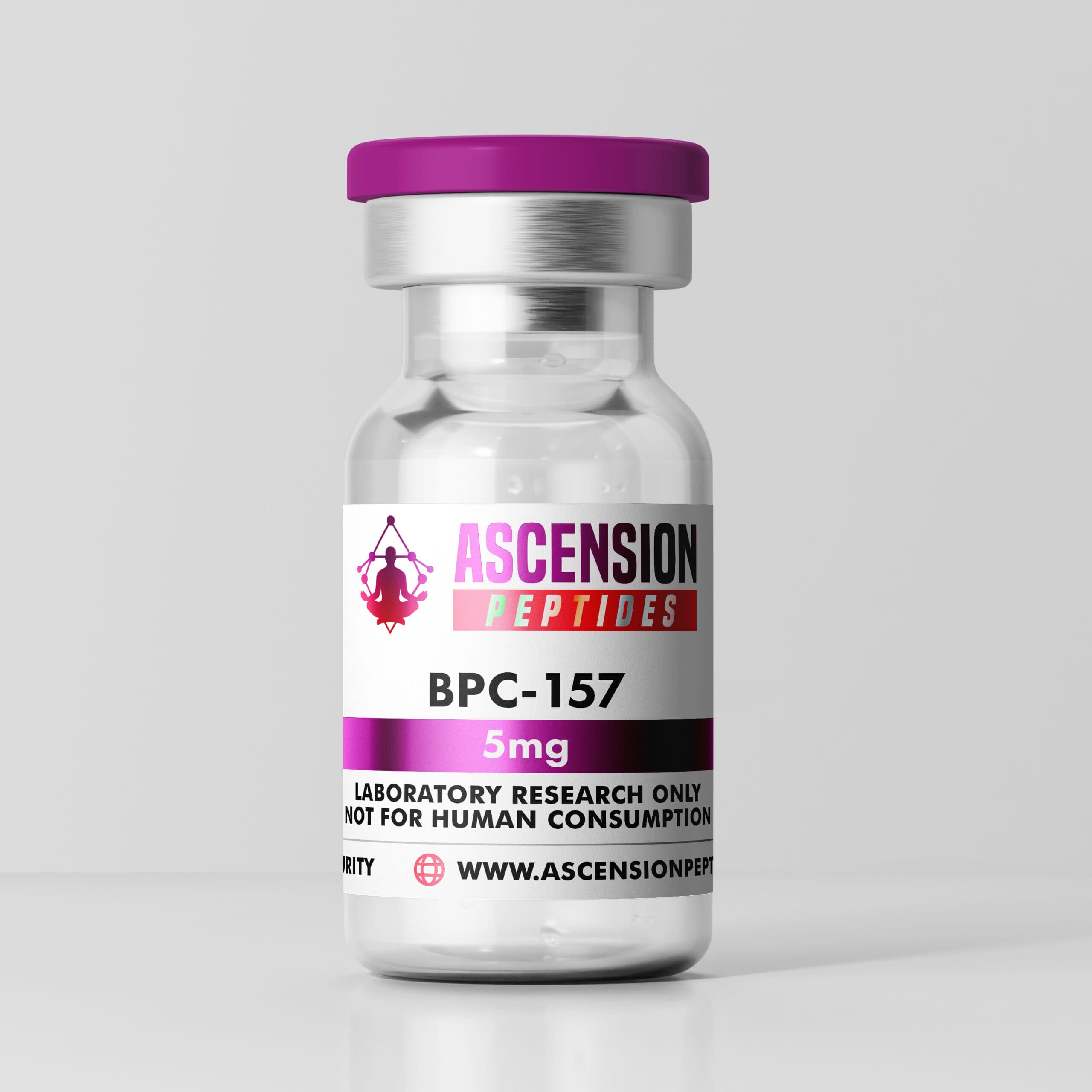
Body Protection Compound-157 is arguably the most extensively studied regenerative peptide in preclinical research. Derived from a protective protein in human gastric juice, this 15-amino acid peptide has demonstrated healing effects across virtually every tissue type tested.
What Research Shows
BPC-157's effects on tendon and ligament healing are particularly well-documented. Studies on transected Achilles tendons in rats showed accelerated healing with improved biomechanical properties—greater tensile strength and load-to-failure values. The peptide promoted collagen organization and increased tendon cell proliferation.
Beyond connective tissue, research demonstrates effects on:
- Muscle injury recovery
- Bone fracture healing
- Gut mucosal repair (its native territory)
- Nerve regeneration
- Blood vessel formation
How It Works
BPC-157 operates through multiple mechanisms: upregulating VEGF for angiogenesis, modulating the nitric oxide system, and activating the FAK-paxillin pathway involved in cell adhesion and migration. This multi-pathway activity likely explains its effects across diverse tissues.
Pro Tip
BPC-157's unusual stability in gastric juice means it retains activity when administered orally—a rare property among peptides. Studies show systemic effects even from oral administration.
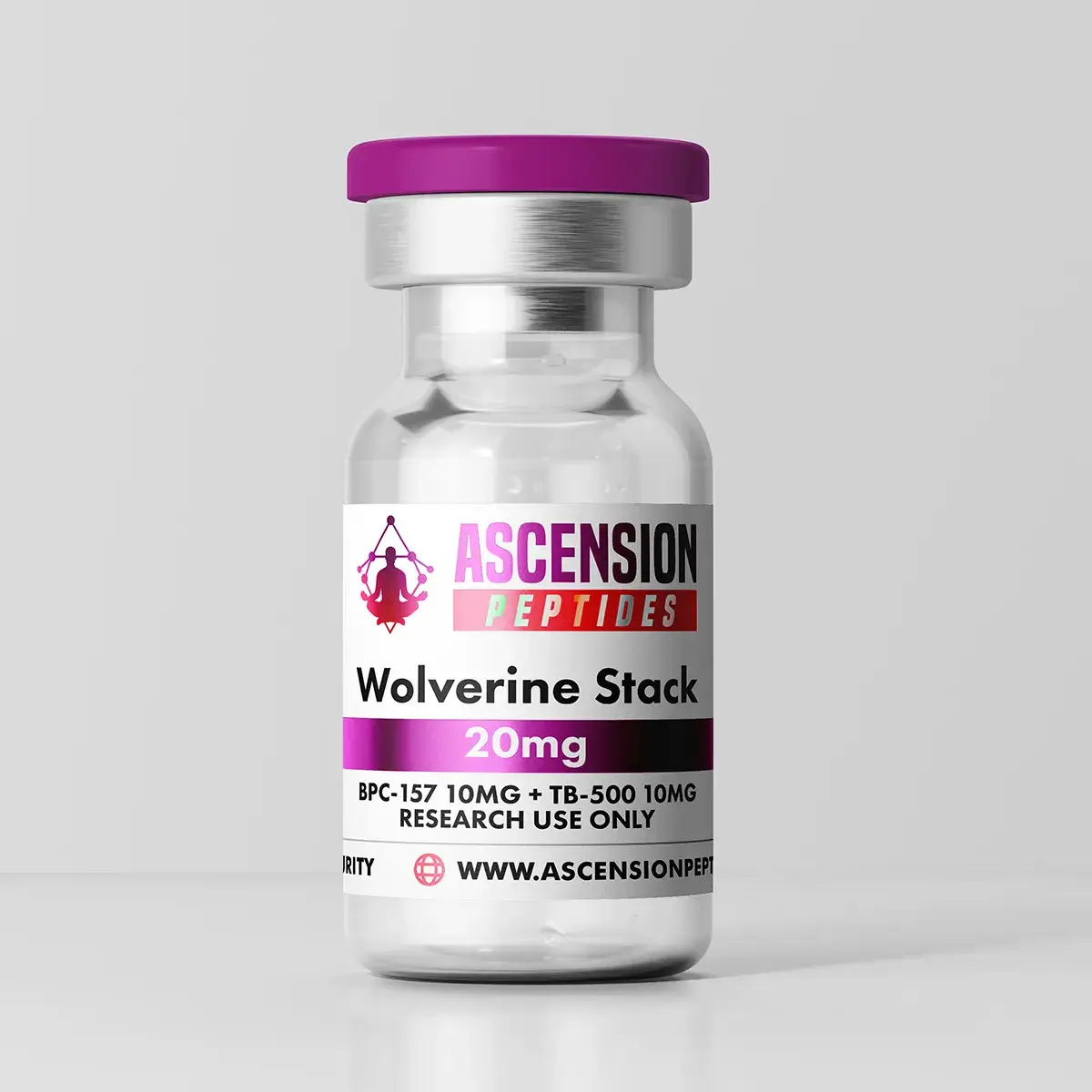
2. TB-500: Thymosin Beta-4 Fragment for Tissue Repair
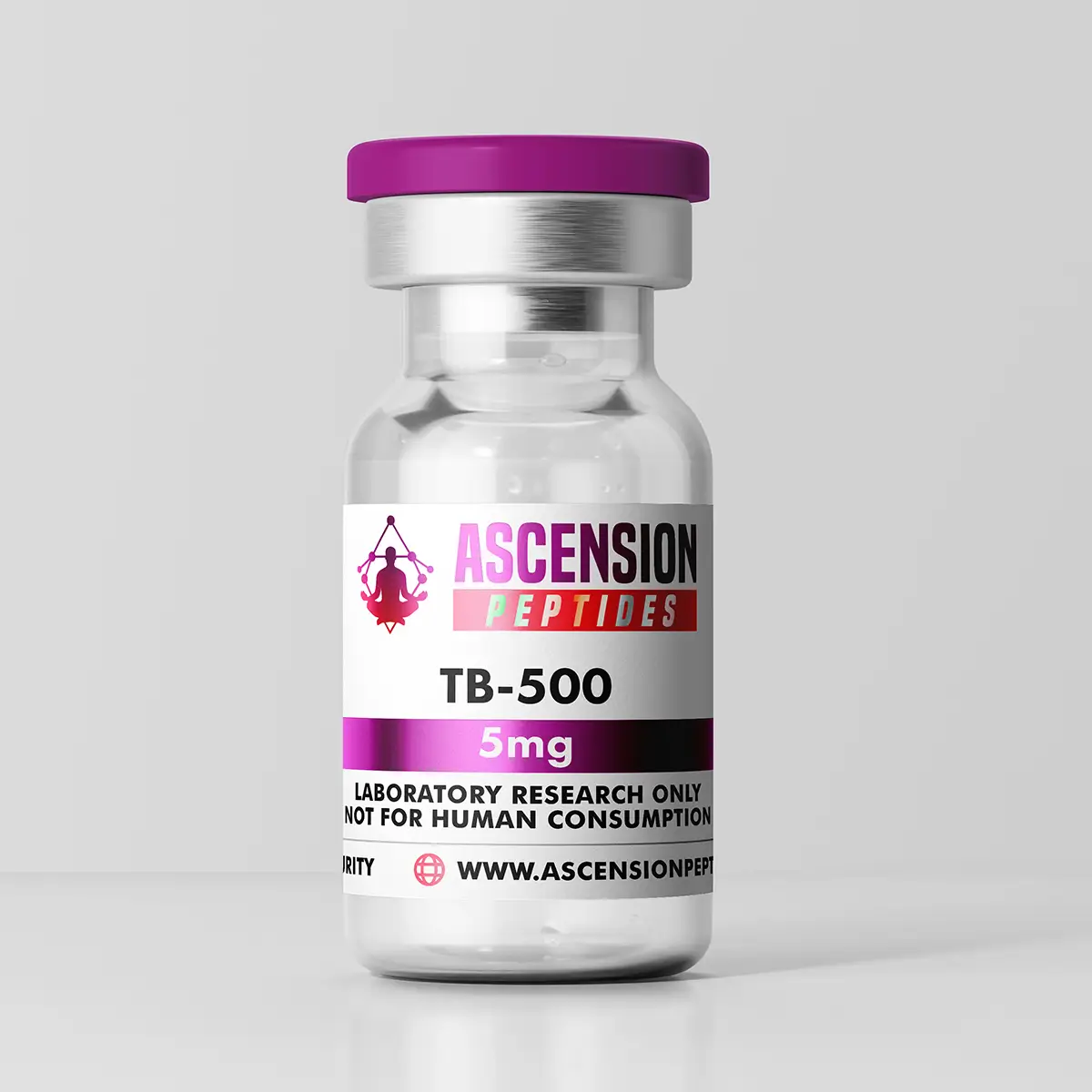
TB-500 is a synthetic version of a naturally occurring 43-amino acid peptide called Thymosin Beta-4. While the full-length protein is found throughout the body, TB-500 contains the active region responsible for many of its healing properties.
What Research Shows
TB-500's primary mechanism involves binding and sequestering actin, a protein essential for cell structure and movement. By regulating actin, TB-500 promotes cell migration—critical for wound healing as cells must travel to injury sites.
Research areas include:
- Cardiac tissue repair following heart damage
- Dermal wound healing and reduced scar formation
- Corneal injury repair
- Hair follicle stem cell migration
- General tissue remodeling
TB-500 vs. BPC-157
These two peptides are often compared, but they work quite differently:
3. GHK-Cu: The Copper Peptide
GHK-Cu (glycyl-L-histidyl-L-lysine copper) is a naturally occurring tripeptide that binds copper and plays important roles in wound healing, immune function, and tissue remodeling. Unlike most peptides discussed here, GHK-Cu has been used in topical skincare products for decades.
What Research Shows
GHK-Cu's copper-binding ability allows it to modulate numerous genes involved in tissue repair. Studies show it:
- Stimulates collagen and elastin synthesis
- Promotes blood vessel formation
- Has anti-inflammatory effects
- Attracts immune cells to wound sites
- May support nerve regeneration
Unlike BPC-157 and TB-500, GHK-Cu has some human data, primarily in cosmetic applications for skin aging. These studies support its collagen-promoting effects, though systemic healing applications remain in preclinical stages.
4. Thymosin Alpha-1: Immune-Mediated Healing
While primarily studied for immune modulation, Thymosin Alpha-1 contributes to healing through its effects on the immune system. Proper immune function is essential for wound healing—too little response fails to clear debris and pathogens, while too much causes tissue damage.
TA-1 is notable for being one of the few peptides with actual clinical use in some countries (for hepatitis and as an immune adjuvant). Its role in healing relates to optimizing the immune component of tissue repair.
Matching Peptides to Injury Types
Different peptides may be better suited to different healing contexts based on their mechanisms and the available research:
Tendon/Ligament Injuries
BPC-157 has the strongest research here, with multiple studies showing improved biomechanics in healing tendons.
Muscle Injuries
Both BPC-157 and TB-500 show effects on muscle repair. TB-500's cell migration effects may complement BPC-157's growth factor activity.
Cardiac Tissue
TB-500 has more research specifically on heart tissue repair and cardiac remodeling.
Skin Wounds
GHK-Cu has the most human data for skin, while TB-500 shows promise for reduced scarring in animal studies.
Nerve Damage
BPC-157 has demonstrated neuroprotective and neuroregenerative effects in multiple injury models.
Gut Healing
BPC-157's origin in gastric juice makes it uniquely suited to GI applications—it's extensively studied for ulcers and IBD models.
What Researchers Should Know
Sourcing and Purity
Peptide quality varies significantly between suppliers. Research-grade peptides should have:
- Certificate of analysis with HPLC purity data (≥98%)
- Mass spectrometry confirmation of molecular weight
- Third-party testing where possible
- Proper lyophilization and storage conditions
Storage and Handling
Proper storage is critical for maintaining peptide integrity:
Lyophilized Storage
Keep unreconstituted peptides at -20°C for long-term storage. They're stable for years in this state.
Reconstitution
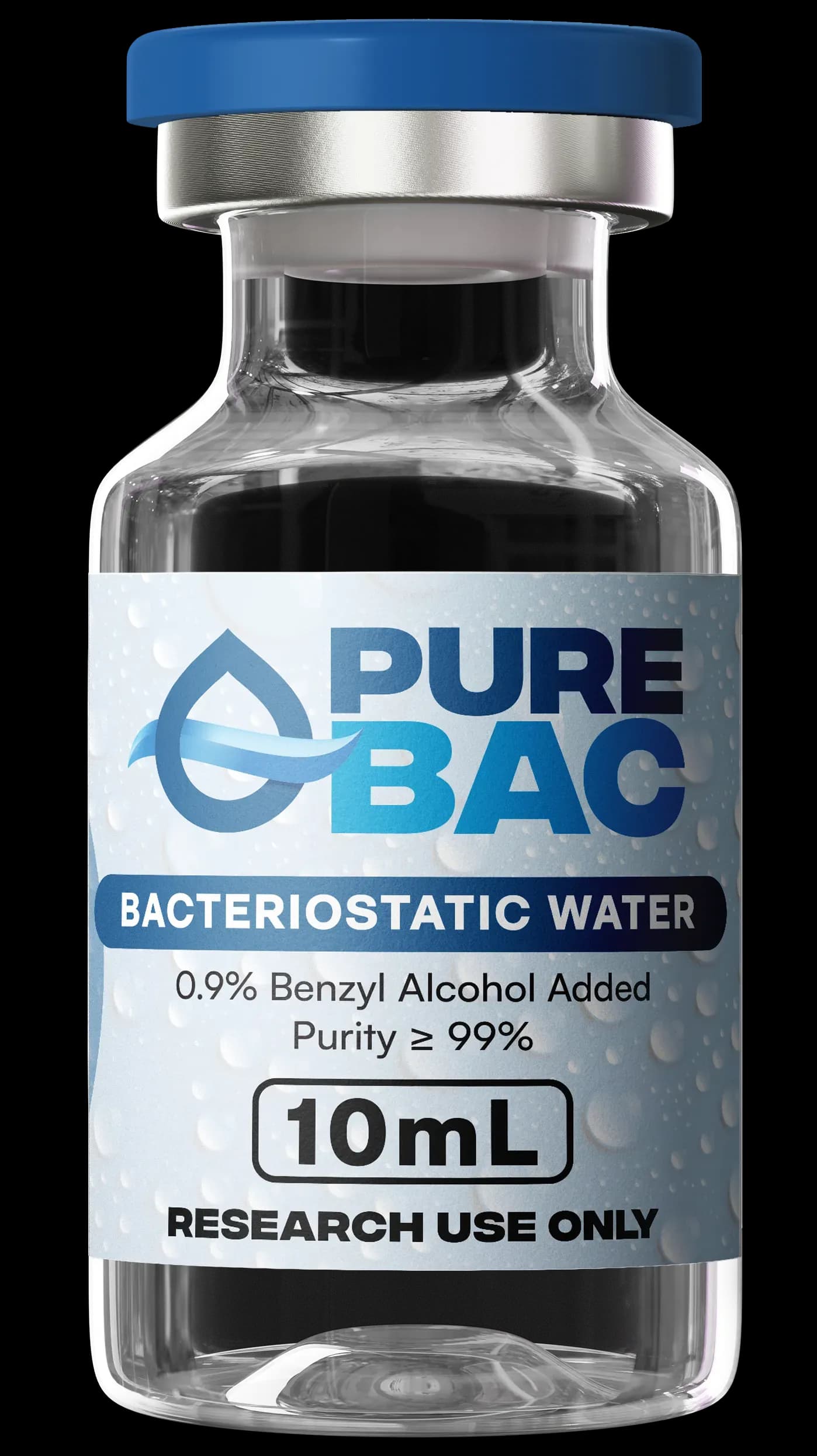
Use bacteriostatic water. Add liquid slowly along the vial wall—never shake. Gentle swirling is acceptable.
Reconstituted Storage
Store at 2-8°C (refrigerator). Use within 2-4 weeks. Avoid repeated freeze-thaw cycles.
Frequently Asked Questions
The Bottom Line on Healing Peptides
The research on healing peptides is genuinely interesting. Compounds like BPC-157 and TB-500 show consistent effects across numerous animal studies, operating through well-characterized mechanisms that make biological sense.
However, intellectual honesty requires acknowledging what we don't know: how these compounds perform in humans, what the optimal dosing is, whether the effects seen in rodents translate to human physiology, and what long-term effects might emerge. The gap between promising preclinical research and proven therapeutic use is substantial.
For researchers, these peptides offer valuable tools for studying tissue repair mechanisms. For anyone else, they remain experimental compounds with unknown risk-benefit profiles. The science is promising—but the science is also incomplete.