A weight-loss drug is becoming an alcohol drug.
The 2026 randomized trial in JAMA Psychiatry was supposed to study weight loss. It accidentally produced one of the strongest signals for treating alcohol use disorder in two decades. Patients on once-weekly semaglutide drank 40% less alcohol than placebo, with heavy drinking days dropping nearly in half. That's why people on Ozempic and Wegovy keep saying they "just don't feel like drinking." The drug isn't only suppressing appetite, it's blunting the reward signal that drives alcohol cravings in the first place.
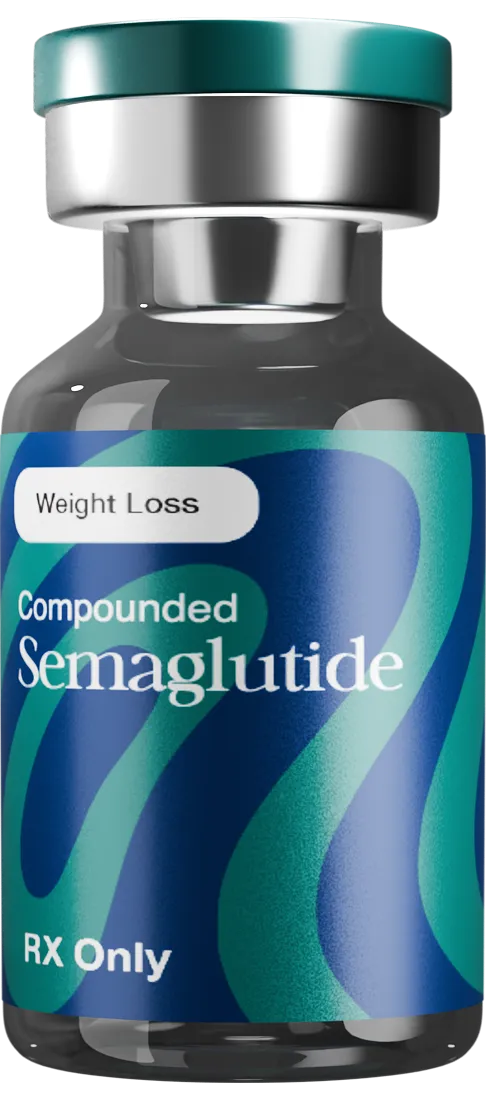
If you're trying to stay on semaglutide consistently while you figure out alcohol on it, predictable supply matters. Embody dispenses compounded semaglutide at a flat $69 per month under physician oversight, which keeps you out of the brand-shortage swings that can interrupt treatment. The rest of this guide covers what alcohol actually does on semaglutide, how the AUD trial data reads, and the practical safety rules that matter if you choose to drink.
🔑 Key Takeaways
- Semaglutide doesn't directly interact with alcohol metabolism, but it amplifies the side effects of drinking. Nausea, vomiting, dehydration, and reflux are all more likely after even modest amounts
- The 2026 randomized trial in JAMA Psychiatry confirmed what real-world data has shown for years: semaglutide reduces heavy drinking days by roughly half in people with alcohol use disorder
- Most semaglutide users naturally want less alcohol within weeks of starting. The mechanism appears to be reduced dopamine reward from drinking, not just appetite-related GI discomfort
- Hypoglycemia risk is the most serious safety concern, especially in people with type 2 diabetes who are also on insulin or sulfonylureas. Drinking on an empty stomach is the worst combination
- If you choose to drink: eat protein first, hydrate aggressively, skip injection day for drinking events, limit to 1 to 2 drinks, and avoid sugary mixers
- Semaglutide is not FDA-approved for alcohol use disorder, but it is in active Phase 2/3 development for that indication. Off-label use for AUD is a real and growing pattern
What Happens When You Drink Alcohol on Semaglutide
Four things happen at once.
Semaglutide changes how your body handles a drink along multiple axes. The drug doesn't metabolize alcohol differently. Your liver still processes ethanol the same way. But the surrounding gastrointestinal, blood sugar, and reward effects all stack with what alcohol does on its own.
Does Semaglutide Reduce Alcohol Cravings?
The answer is now yes, with hard data behind it.
Real-world signals showed up first. From 2022 onward, GLP-1 prescribers and patients reported anecdotally that people on semaglutide were drinking less without intending to. Reddit threads and prescriber surveys filled with the same observation: "I used to want wine every night, now I don't think about it."
Then the formal trials arrived.
- JAMA Psychiatry, February 2026 (Hendershot et al.). Randomized, placebo-controlled trial of once-weekly semaglutide in 48 adults with alcohol use disorder. After 9 weeks of treatment, semaglutide reduced laboratory alcohol self-administration. Heavy drinking days dropped by 40%, total drinks per drinking day dropped by 30%, and craving scores fell significantly versus placebo.
- The Lancet, 2026. Larger Phase 2b trial of once-weekly semaglutide versus placebo in patients with AUD and comorbid obesity, n=140+. Heavy drinking days reduced from baseline by approximately 36% on semaglutide versus 10% on placebo across 26 weeks. The semaglutide group also lost weight, but the alcohol effect was independent of weight loss magnitude.
- Nature Communications, 2024. Real-world data study of 83,825 patients with obesity. Patients started on semaglutide had a 50 to 56% lower risk of new AUD diagnoses and recurrent AUD compared to those on other anti-obesity medications. Strongest effect within the first 12 months.
How the mechanism is hypothesized to work
GLP-1 receptors exist not just in the gut and pancreas, but in the brain's reward circuitry, specifically the ventral tegmental area and nucleus accumbens, the same regions activated by alcohol, opioids, and food. Semaglutide appears to dampen the dopamine signal in these regions, which is why it reduces food-noise, alcohol cravings, and (in some studies) nicotine and gambling urges simultaneously. This is the same mechanism being investigated for using semaglutide and related drugs as treatment for addiction more broadly.
Semaglutide for Alcohol Use Disorder (AUD)
It's not approved. It's being prescribed anyway.
Semaglutide is not FDA-approved for alcohol use disorder. The current AUD treatments are naltrexone, acamprosate, and disulfiram, plus behavioral interventions like CBT and 12-step programs. None of those have produced effect sizes comparable to what semaglutide is showing in early trials.
That's driving rapid off-label adoption:
- Addiction medicine specialists are increasingly prescribing semaglutide off-label for patients with AUD and comorbid obesity (where the drug also has an on-label use)
- The 2026 trials are the basis for at least three Phase 3 programs now planned or underway, with possible FDA approval for AUD targeted for 2028 or 2029
- For patients with both obesity and AUD, semaglutide is starting to be discussed as a first-line option, not a second-line one
If you have AUD or think you do, this is a conversation to have with an addiction medicine specialist, not something to self-prescribe around. The drug works, but the AUD-focused dosing and monitoring protocols are still being established, and combining semaglutide with other AUD medications hasn't been studied at scale yet.
Hypoglycemia Risk: The Most Serious Safety Issue
This is the one that lands people in the ER.
Alcohol blocks the liver's ability to produce glucose between meals, a process called gluconeogenesis. Semaglutide independently enhances glucose-dependent insulin secretion. The two effects compound. In people without diabetes, this rarely causes a problem because the body has other buffers. In people with type 2 diabetes who are on insulin, sulfonylureas, or meglitinides alongside semaglutide, alcohol on an empty stomach can drop blood glucose to dangerous levels within 1 to 3 hours.
Warning signs of hypoglycemia:
- Shaking, sweating, or feeling cold
- Confusion, difficulty thinking
- Rapid heartbeat
- Anxiety or irritability that comes on suddenly
- Vision changes or dizziness
- Slurred speech (often misread as just being drunk)
- In severe cases, seizure or loss of consciousness
The treatment is fast carbs (juice, glucose tabs, regular soda), then a protein-and-carb snack. If symptoms don't improve within 15 minutes, call for help. For T2D patients on insulin or sulfonylureas, never drink on an empty stomach, and consider continuous glucose monitoring (CGM) during evenings when you're drinking.
How Much Alcohol Is Safe to Drink on Semaglutide?
There's no official limit. Practical limits are tighter than the standard guidelines.
The CDC's general guidance is up to 1 drink/day for women and 2 drinks/day for men. On semaglutide, those numbers should usually be lower because:
- Each drink hits harder due to faster absorption
- Nausea risk rises with each additional drink
- Calories from alcohol displace protein from your already-reduced food budget
- Sleep quality is worse, which slows recovery and weight loss
What most semaglutide users find tolerable:
Best Practices If You Choose to Drink
The 8-rule safety checklist
- Eat protein first. 20 to 30g of protein at least 60 minutes before drinking. This stabilizes blood sugar and slows alcohol absorption.
- Hydrate before, during, after. Aim for a glass of water for every alcoholic drink. Add electrolytes the morning after.
- Skip drinking on injection day. Most people tolerate alcohol worst in the first 24 to 48 hours after a dose. Save drinking for the back half of the week.
- Limit to 1 to 2 drinks. Beyond that, nausea, hypoglycemia, and reflux risk all climb steeply.
- Avoid sugary mixers. The combination of alcohol plus a fast carb load is the worst for nausea and energy crashes.
- Don't drink and inject the same evening. If you accidentally miss your dose, take it the next day, not after drinking.
- Check blood sugar if you have diabetes. Especially before bed. Hypoglycemia overnight is the most dangerous scenario.
- Skip drinking entirely during the titration phase. Weeks 1 to 8 are when nausea peaks. Adding alcohol makes side effects much worse and many people quit during this window.
Hangovers on Semaglutide
They're worse than baseline.
People who drink on semaglutide consistently report hangovers that feel disproportionate to how much they drank. Two glasses of wine produces what used to be a four-glass hangover. The reasons:
- Compounded dehydration. You were already underdrinking water on semaglutide. Alcohol's diuretic effect tips you further.
- Persistent nausea. Slow gastric emptying means the alcohol byproducts (acetaldehyde) and any heavy food eaten with drinks sit longer.
- Reflux from drinking. Heartburn and acid that started the night before often carries into morning.
- Worse sleep. Alcohol disrupts REM and deep sleep. On semaglutide, the underlying fatigue from a calorie deficit makes this hit harder.
What helps:
- 1 to 2 liters of water with electrolytes overnight and in the morning
- A light, protein-forward breakfast (eggs, Greek yogurt, or a protein shake) even if you don't want it
- Ginger tea or low-sugar ginger beer for nausea
- Avoid coffee until you've eaten, it worsens nausea on an empty semaglutide stomach
Common Mistakes Combining Semaglutide and Alcohol
The five most common errors
- "I'll just skip dinner since I'm not hungry." Drinking without food on semaglutide is when most ER trips happen. The hypoglycemia and nausea risk are both highest on an empty stomach.
- Drinking the night of an injection. Side effects from the dose are highest in the first 24 to 48 hours, and adding alcohol amplifies all of them.
- Sugary cocktails. Margaritas, daiquiris, and frozen drinks combine the two worst categories (high sugar + alcohol) and produce the most nausea.
- Going from no alcohol back to a normal-for-you amount after a break. Tolerance drops fast on semaglutide. Going back to 4 drinks after months of 0 to 1 is a worse hangover and bigger nausea risk than expected.
- Mixing with anti-nausea medications without consulting a prescriber. Ondansetron (Zofran) plus alcohol plus semaglutide is a stack that should be cleared by a clinician.
Frequently Asked Questions
Medical Disclaimer: This article is for informational purposes only and does not constitute medical advice. Semaglutide is not FDA-approved for alcohol use disorder. People with AUD, type 2 diabetes, liver disease, or who take other medications affecting blood sugar should consult their prescribing physician before drinking alcohol on semaglutide. If you suspect a hypoglycemic event or experience severe symptoms, seek immediate medical attention.