If you have PCOS, you have probably been told to "just lose weight" by people who do not understand that PCOS makes losing weight roughly twice as hard. GLP-1 medications change the math. Here is what they actually do for PCOS, which one to choose, and what to know about fertility.
🔑 Key Takeaways
- PCOS is a metabolic disease at its core. About 70% of women with PCOS have insulin resistance, which drives the weight gain, the irregular cycles, the high androgens, and the difficulty losing weight.
- GLP-1 medications work on PCOS through three mechanisms: improving insulin sensitivity, reducing weight (which lowers androgen production), and possibly through direct effects on ovarian cells.
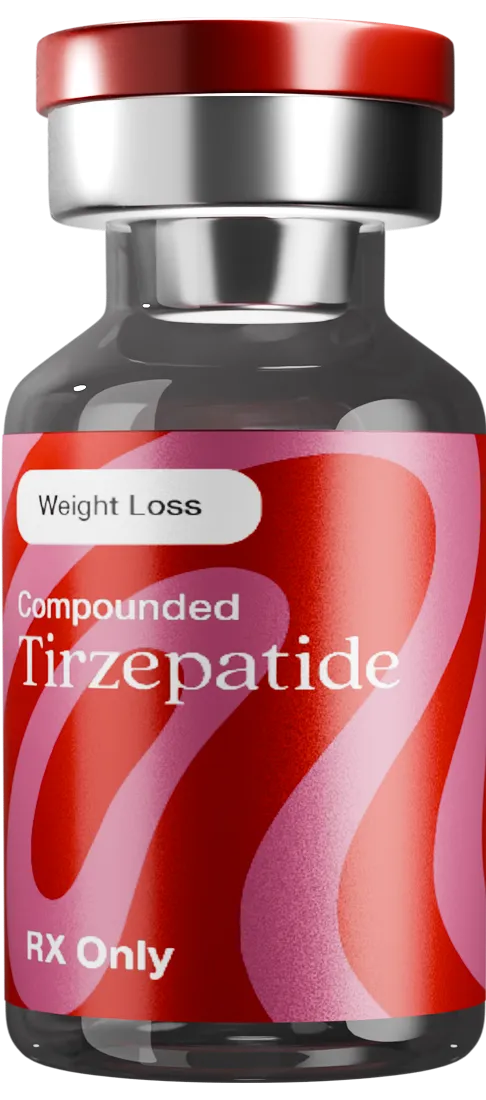
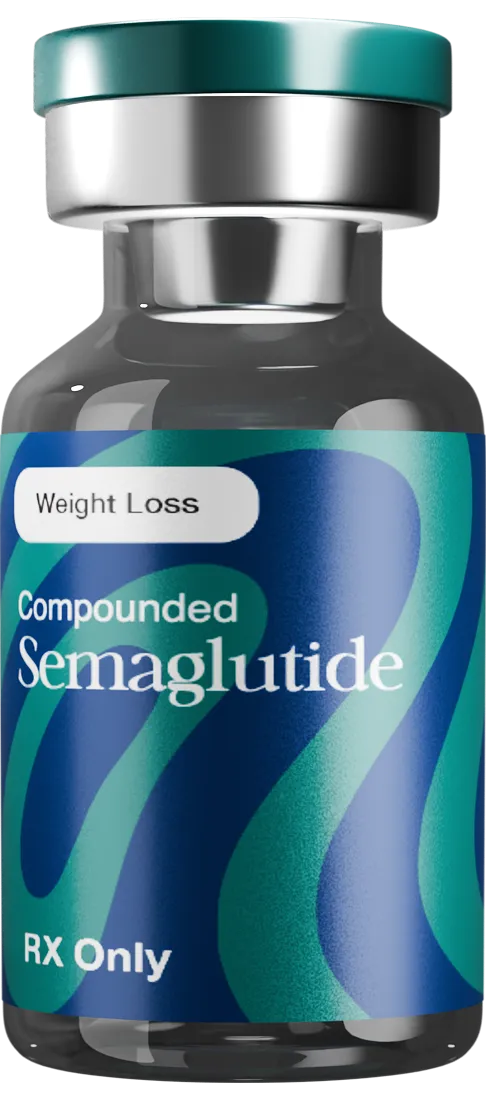
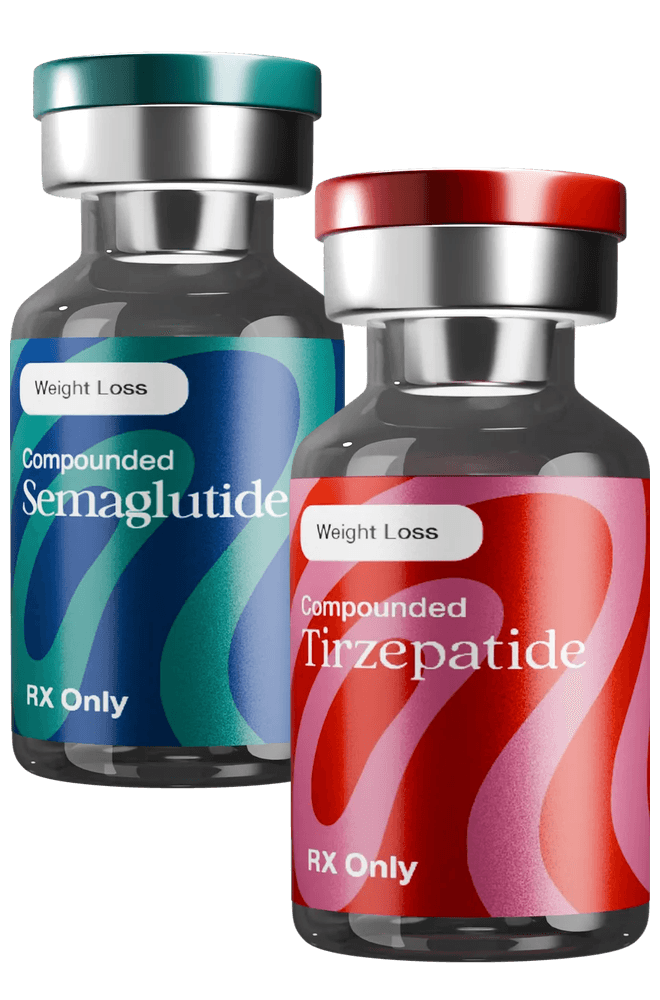
- The most studied GLP-1 for PCOS is semaglutide. The strongest weight loss effect is from tirzepatide. Liraglutide has older data but is less prescribed now. Retatrutide has no PCOS-specific data yet.
- Even 5 to 10% body weight loss is enough to restore menstrual regularity in most PCOS women. 80% of obese PCOS women regain regular cycles within 6 months on semaglutide.
- GLP-1 is not FDA-approved for PCOS specifically. It is prescribed off-label, which means insurance coverage often requires a prior authorization, BMI threshold, or comorbidity (diabetes, obesity).
- Pregnancy is a hard stop. GLP-1s require a washout (2 months semaglutide, 1 month tirzepatide) before trying to conceive. The paradox: GLP-1 improves your fertility, but you have to stop using it before getting pregnant.
- Lean PCOS (normal BMI) responds to GLP-1 too, but the benefit is more about androgen reduction and insulin sensitivity than weight loss.
- Hair loss is a real concern for PCOS women on GLP-1: rapid weight loss triggers telogen effluvium, on top of the androgenic alopecia PCOS already drives.
This page covers everything PCOS women need to know about GLP-1: the mechanism, the weight loss numbers, which drug to ask for, the dosing, the side effects PCOS women care about most, fertility planning, the metformin comparison, and how to navigate insurance for off-label use.
How GLP-1 Works for PCOS
The same mechanism that drives diabetes and obesity treatment hits PCOS at three layers.
PCOS is not primarily an ovarian disease. It is a metabolic disease that expresses through the ovaries. The cluster of features that defines PCOS, including irregular periods, elevated androgens, and polycystic ovaries on ultrasound, is downstream of insulin resistance in about 70% of women who have it. Understanding this changes how you think about treatment. Anything that improves insulin sensitivity will tend to improve every visible PCOS symptom, indirectly. GLP-1 happens to be one of the most powerful insulin-sensitizing drugs available.
Layer 1: Insulin sensitivity
GLP-1 stimulates glucose-dependent insulin release, suppresses glucagon, and improves cellular insulin sensitivity. For a PCOS woman whose insulin levels run 2 to 3 times higher than the non-PCOS reference range, this matters. High insulin drives the ovaries to produce more testosterone, drives the liver to produce less SHBG (which means more free testosterone in circulation), and drives the body to store fat. Lower the insulin and the cascade reverses.
Layer 2: Weight loss and androgen reduction
Body fat is hormonally active tissue. It produces estrogen and contributes to the androgen excess in PCOS. Losing 5 to 10% of body weight is enough to drop free testosterone meaningfully and restore ovulation in most obese PCOS women. The relationship between weight loss and PCOS symptom improvement is dose-dependent: more loss, more improvement, up to a point.
Layer 3: Direct ovarian effects
This is the newer and more uncertain layer. GLP-1 receptors have been identified on ovarian granulosa cells, which means GLP-1 may have direct effects on ovarian function beyond what insulin and weight changes can explain. Early animal and cellular work suggests GLP-1 may protect ovarian cells against oxidative stress and may even reverse some epigenetic changes associated with PCOS pathology. No human trials have confirmed disease modification yet, so treat this layer as promising rather than proven.
GLP-1 Benefits for PCOS
The four outcomes that matter to most women searching this topic.
Menstrual regularity
The fastest visible benefit. In studies of obese PCOS women, semaglutide-induced weight loss of 5 to 10% restored regular cycles in roughly 80% of participants who had been amenorrheic or oligomenorrheic. Cycles typically return within 8 to 24 weeks, often before significant scale weight loss. The threshold for cycle restoration is low: a 5% weight loss is enough for most.
Ovulation and fertility
Pregnancy rates climb significantly when ovulation returns. In observational PCOS cohorts on GLP-1, natural conception rates rose 30 to 70% compared to baseline once treatment-induced weight loss reached 5 to 10%. The catch: you cannot be on GLP-1 when you are trying to conceive. The fertility improvement comes from the metabolic correction, and you bank that improvement during a pre-pregnancy washout.
Free testosterone reduction
Tirzepatide produces a 20 to 30% reduction in free testosterone in PCOS women, mostly through SHBG increases (insulin resistance lowers SHBG; resolving insulin resistance raises it). Semaglutide has similar but slightly smaller effects. The visible signs (acne, hirsutism, scalp hair thinning) typically improve over 3 to 6 months, slower than the labs change.
Weight loss
The headline benefit. PCOS women lose roughly the same percentage of body weight on GLP-1 as non-PCOS women, despite often starting at a higher BMI and despite the historical narrative that PCOS makes weight loss "impossible". On semaglutide, expect 10 to 15% body weight loss over 68 weeks. On tirzepatide, expect 15 to 22% over 72 weeks.
Best GLP-1 for PCOS
The evidence-based ranking, with caveats.
Semaglutide vs Metformin for PCOS
Metformin has been the PCOS standard of care for 25 years. It is cheap (about $22 per month), well-tolerated, and there is more long-term safety data than for any GLP-1. It produces about 1 to 5% weight loss and modest improvements in cycle regularity.
The honest comparison: metformin is better starting therapy for most PCOS women because of cost, evidence, and tolerability. Semaglutide is better when metformin alone is not enough, or when significant weight loss is needed for fertility, comorbidity reduction, or quality of life. Many PCOS specialists now use them in combination, with metformin as the foundation and a GLP-1 added for additional weight and insulin effects.
GLP-1 Dosage for PCOS
The dose for PCOS is the same as for obesity. The titration is gentler if your BMI is lower.
Lean PCOS dosing
About 20 to 30% of PCOS women are at normal BMI ("lean PCOS"). The treatment goal is different: not weight loss, but androgen reduction and insulin sensitivity. The pragmatic dosing range is the lower end of the ladder (0.5 to 1.0 mg semaglutide, 2.5 to 5 mg tirzepatide), often without progressing to the highest doses. Caloric maintenance plus protein focus prevents the unwanted weight loss the higher doses would produce.
GLP-1 Side Effects in PCOS
Some side effects matter more for PCOS women than for the general population.
Hair loss (the one most under-discussed)
Rapid weight loss on GLP-1 commonly triggers telogen effluvium, a temporary shedding phase that resolves over 6 to 12 months. PCOS women are already at higher baseline risk of androgenic alopecia (the hair thinning that PCOS itself drives). The combination is what most PCOS women report as their biggest unexpected side effect.
Mitigation that actually works:
- Hit your protein target (0.6 to 1.0 g per pound of goal body weight) every day
- Check ferritin (PCOS women often have low ferritin from heavy periods); supplement to 70+ ng/mL
- Vitamin D, zinc, and biotin status all affect hair
- Slow your weight loss rate if shedding is significant (1 to 1.5 lb/week is the sweet spot for hair retention)
- Consider topical minoxidil for the androgenic component
Muscle loss
PCOS women often start with lower muscle mass than non-PCOS counterparts of the same body weight (a function of insulin resistance and hormonal differences). Aggressive weight loss without protein and resistance training accelerates muscle loss and worsens metabolic adaptation. Weight train at least 2 to 3 times per week. Eat protein. Skip the calorie crash.
GI side effects (nausea, constipation, diarrhea)
The standard GLP-1 GI profile applies. About 20 to 44% of users report nausea during titration; most resolves within 4 to 8 weeks. Constipation is more common than diarrhea long-term. Ginger, smaller meals, and eating earlier in the day all help.
Thyroid concerns
The boxed warning about medullary thyroid C-cell tumors (from rodent studies) applies to all GLP-1 receptor agonists. The human risk is unclear. PCOS women already have a slightly higher baseline risk of thyroid dysfunction (Hashimoto's, hypothyroidism) but not of medullary thyroid cancer specifically. Most PCOS specialists do not consider PCOS itself a contraindication.
Pregnancy-related
GLP-1s are FDA Category C: no conclusive pregnancy safety data. The 111-pregnancy observational dataset (women who became pregnant while still on a GLP-1) showed no clear pattern of increased congenital anomalies, but the data is too small to be reassuring. Plan a washout. See the next section.
GLP-1 and Pregnancy: The Washout Question
This is where most PCOS women get stuck.
The fertility paradox: GLP-1 improves your ability to conceive (by restoring ovulation), but you cannot use it during conception or pregnancy. The bridge is a planned washout, after which you have improved fertility, a healthier baseline weight, and a cleaner metabolic state for pregnancy.
What "trying to conceive" actually means
The washout starts when you stop using barrier contraception or hormonal contraception with the intent of conceiving, not when you actually start trying. If your cycles are irregular and you do not know exactly when you will conceive, plan for the longer end of the washout window.
Accidental pregnancy on GLP-1
If you become pregnant while on GLP-1, stop the medication and contact your obstetrician immediately. The available data does not show clear teratogenicity, but caution is warranted and your pregnancy will be considered higher-monitoring. Do not panic, do not continue the drug, do not delay the conversation.
GLP-1 for PCOS: Cost, Insurance, and Access
The biggest barrier for PCOS women is not safety. It is coverage.
GLP-1 medications are not FDA-approved for PCOS specifically. They are prescribed off-label. This means insurance coverage typically requires one of:
- Type 2 diabetes diagnosis (Ozempic, Mounjaro, Victoza coverage usually fast)
- Obesity diagnosis with BMI thresholds (Wegovy, Zepbound coverage; usually BMI 30+ or 27+ with comorbidity)
- Documented insulin resistance and metabolic syndrome (sometimes accepted with letter of medical necessity)
- Off-label PCOS use with prior authorization (less common, varies by insurer)
If your insurance denies, an appeal with your doctor's letter of medical necessity citing PCOS, insulin resistance labs, BMI, and prior failed treatments (metformin, lifestyle) succeeds more often than not. The success rate on first appeal is widely reported to be 40 to 60%.
Out-of-pocket costs vary widely:
- Brand-name semaglutide: $1,000 to $1,300 per month full price
- Brand-name tirzepatide: $1,000 to $1,300 per month
- Manufacturer copay cards (when commercial insurance is involved): often drop to $25 to $200
- Telehealth-prescribed compounded semaglutide or tirzepatide: $200 to $500 per month, FDA-pressured market
- Manufacturer assistance programs (low-income): can drop to $0 to $99
Lean PCOS and GLP-1
About 20 to 30% of PCOS women are at normal BMI. Their PCOS is real, the metabolic core is the same, but the standard "lose weight first" advice does not apply. GLP-1 can still help, with adjusted goals.
For lean PCOS women, the goal of GLP-1 is:
- Insulin sensitivity improvement (the main benefit, weight-independent)
- Free testosterone reduction (via SHBG increase from improved insulin)
- Cycle regularity (often returns even without weight loss)
- Cardiometabolic protection (lipids, glucose, inflammation)
The dosing is on the lower end of the ladder, the calorie target is maintenance not deficit, and protein and strength training prevent the unwanted weight loss. Coverage for lean PCOS is harder because you do not meet the BMI thresholds insurance uses, so out-of-pocket or appeals are common.
Frequently Asked Questions
Medical disclaimer. This article is informational only and does not replace individualized medical advice. GLP-1 medications are not FDA-approved for PCOS specifically; their use for this condition is off-label. Decisions about starting, dosing, switching, or stopping GLP-1 medications, especially in the context of pregnancy planning or pre-existing conditions, should be made with the prescribing clinician.