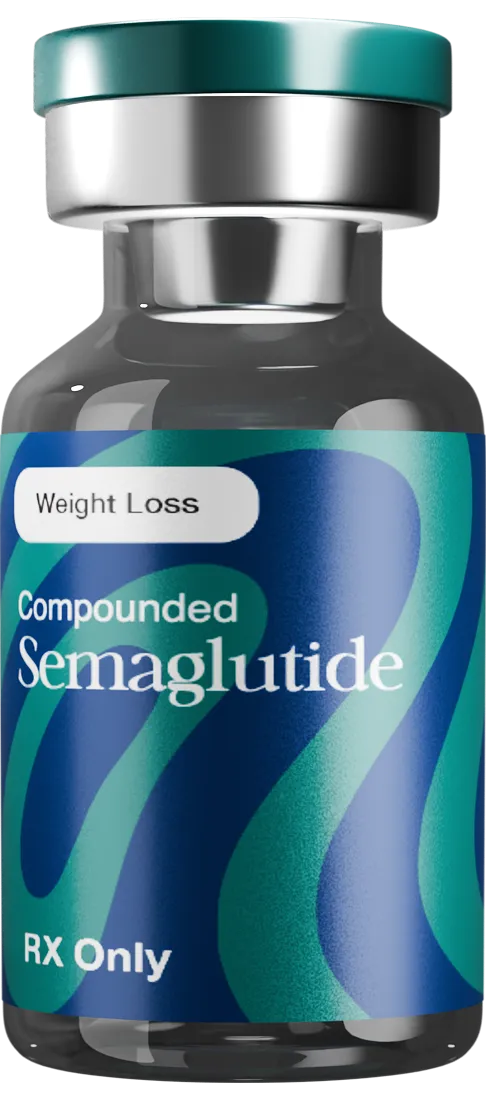
Dose is everything.
The most common reason patients lose less than they expected on a GLP-1 is they never reached a therapeutic dose. The starting dose is built to test tolerance, not to produce weight loss. The actual weight-loss dose is 4 to 6 weekly steps higher. Most low-responder stories are dose stories.
Here's the standard titration schedule for every major GLP-1, when to slow down, and what to do if you can't tolerate the next step.
🔑 Key Takeaways
- Every GLP-1 starts at a sub-therapeutic dose. The first 4 weeks are tolerance-building, not weight loss.
- Titrate every 4 weeks unless side effects force you to slow down. Most patients spend 16+ weeks reaching the target dose.
- You don't always need the maximum dose. If you're losing 1+ lb/week steadily on a mid-range dose, hold there.
- Microdosing (using lower than approved doses) is increasingly common but lacks long-term trial data.
- Slow titration prevents most side effects. Stay an extra 2 to 4 weeks at any step that's making you miserable.
Semaglutide (Ozempic, Wegovy, compounded) titration
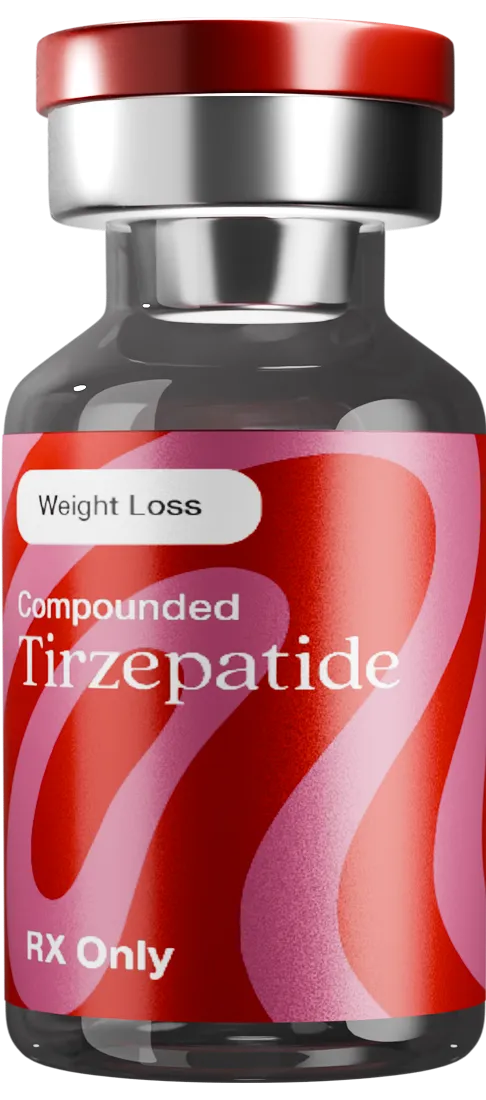
Tirzepatide (Mounjaro, Zepbound, compounded) titration
Liraglutide (Saxenda) titration
Daily injection (not weekly). Start at 0.6 mg/day for week 1, 1.2 mg/day for week 2, 1.8 mg/day for week 3, 2.4 mg/day for week 4, 3.0 mg/day from week 5 onward. The daily schedule and lower weight loss compared to semaglutide and tirzepatide are why most patients prefer the weekly options.
When to slow down (and how)
Slow down if you experience any of these for more than a week at a given dose:
- Nausea that prevents normal eating
- Vomiting more than once or twice
- Severe constipation that fiber and hydration don't fix
- Heart palpitations or anxiety symptoms
- Dizziness or lightheadedness
The slowdown protocol: stay at your current dose for an extra 4 weeks before attempting the next step. If side effects come back at the next step, stay an extra 4 weeks again, or hold at the lower dose indefinitely if losses are good there.
You don't always need the max dose
The "target" dose in clinical trials is the dose that maximizes group-average weight loss. Individual patients often lose plenty at lower doses. If you're losing 1+ lb per week and feel good at semaglutide 1.7 mg or tirzepatide 7.5 mg, holding there is a reasonable strategy. Push higher only if losses stall.
Microdosing
Microdosing means using lower-than-approved doses, often half or one-quarter of the standard step. Some clinicians prescribe microdoses for patients with mild weight to lose, severe side effect histories, or who want long-term metabolic support without aggressive weight loss. The data is real-world, not trial-grade. Most microdosing protocols use semaglutide 0.1 to 0.25 mg/week or tirzepatide 1 to 2.5 mg/week long-term.
Microdosing is easier with compounded vials than brand pens because vials let you draw exact custom doses. Pens have fixed-dose increments.
Missed dose rules
- Within 5 days of missed dose: take it as soon as you remember, then resume your regular weekly schedule.
- Within 1 to 2 days of next dose: skip the missed one, take the next one on schedule.
- 2+ weeks missed: talk to your clinician. You may need to titrate back up from a lower step to avoid side effects.
Adjusting when life changes
- Major surgery: stop GLP-1 1 to 2 weeks before, resume after recovery.
- Pregnancy: stop immediately. GLP-1s aren't safe in pregnancy.
- Severe illness or hospitalization: pause until recovered.
- Travel across time zones: keep your weekly day; just inject at any consistent time on that day.
If you're ready for the prescription route: MEDVi or Embody
Two telehealth providers cover the full pipeline in 2026. Both ship from US pharmacies. Both review your file with a US-licensed clinician. Both turn around in 24 to 72 hours.
MEDVi: brand and compounded, broadest formulary
Prescribes Wegovy, Zepbound, compounded semaglutide, and compounded tirzepatide. Dietician visits and 24/7 portal support are bundled. From around $199/mo on compounded.
Signup in 4 steps: open the MEDVi intake, complete the 15-minute medical history, upload your ID, and wait for the clinician to message you. Approval lands within 24 to 72 hours. First shipment arrives in 3 to 5 days, cold-packed from a US pharmacy.
Embody: lowest cash price on compounded
Compounded semaglutide at a flat $69/mo and compounded tirzepatide at $119/mo, against list prices of $299 and $349. No membership fee and no consultation charge, with every dose, provider visit and shipment included.
Signup in 4 steps: open the Embody eligibility check, pick semaglutide or tirzepatide, verify ID with a license photo, and a licensed clinician reviews your file. Approved orders ship free in 1 to 2 days.
Full breakdown of every step, costs, and red flags is in the telehealth GLP-1 guide.
Frequently Asked Questions
Medical Disclaimer: This article is for informational purposes only and is not medical advice. GLP-1 medications including semaglutide and tirzepatide are prescription drugs that require evaluation by a licensed clinician. Always disclose your full medical history during intake, follow your prescribing clinician's titration schedule, and seek in-person care for severe side effects including persistent abdominal pain, signs of pancreatitis, or allergic reactions. Compounded GLP-1 medications are dispensed under FDA 503A and 503B oversight but are not FDA-approved finished products.