Chronic fatigue affects millions of people worldwide, impacting productivity, mental clarity, and quality of life. While conventional approaches focus on stimulants and lifestyle changes, emerging research points to peptides as powerful tools for addressing the root causes of low energy—from mitochondrial dysfunction to hormonal imbalances.
Unlike caffeine or other stimulants that mask fatigue temporarily, certain peptides work at the cellular level to enhance energy production, optimize hormone function, and improve recovery. This guide explores the most promising peptides for energy based on current research.
🔑 Key Takeaways
- Mitochondrial peptides like SS-31 and MOTS-c target energy production at the cellular level
- Growth hormone peptides improve energy through better sleep and recovery
- Some peptides address fatigue indirectly through immune modulation and inflammation reduction
- Stacking complementary peptides may provide synergistic energy benefits
Why Peptides for Energy?
Energy isn't just about feeling awake—it's a complex biological process that begins in your mitochondria. These cellular powerhouses convert nutrients into ATP (adenosine triphosphate), the molecular currency your body uses for every function from thinking to moving.
When mitochondria become dysfunctional—due to aging, oxidative stress, or metabolic issues—energy production suffers. Traditional approaches like coffee only mask this underlying problem. Peptides, however, can directly support mitochondrial function, hormone optimization, and cellular repair.
The Top Peptides for Energy and Fatigue
1. SS-31 (Elamipretide) — The Mitochondrial Rejuvenator
SS-31 is arguably the most researched peptide for mitochondrial function. This tetrapeptide selectively concentrates in mitochondria, where it stabilizes cardiolipin—a critical phospholipid in the inner mitochondrial membrane essential for energy production.
Enhanced ATP Production
Directly improves electron transport chain efficiency for more cellular energy.
Reduced Oxidative Stress
Protects mitochondria from reactive oxygen species that impair function.
Mitochondrial Biogenesis
May stimulate the creation of new, healthy mitochondria.
Clinical trials have examined SS-31 for heart failure, mitochondrial myopathy, and age-related muscle decline. Participants often report improved exercise tolerance and reduced fatigue—logical outcomes of enhanced mitochondrial function.
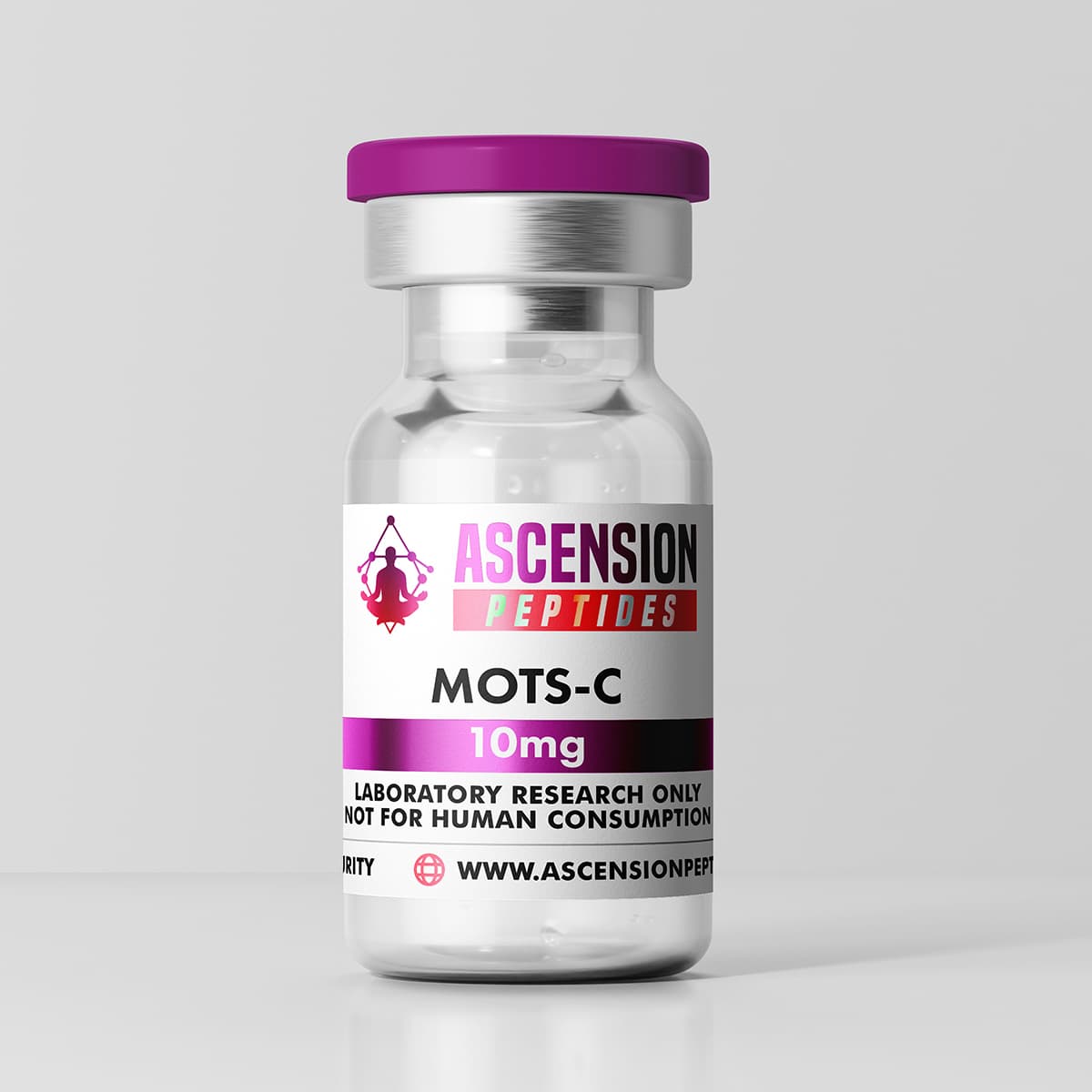
2. MOTS-c — The Exercise Mimetic
MOTS-c (Mitochondrial Open Reading Frame of the Twelve S rRNA-c) is a mitochondria-derived peptide that functions as a metabolic regulator. Often called an "exercise mimetic," it activates many of the same cellular pathways as physical activity.
Research shows MOTS-c improves glucose metabolism, enhances fatty acid oxidation, and increases skeletal muscle insulin sensitivity. For people with metabolic fatigue—feeling drained due to blood sugar instability or poor nutrient utilization—MOTS-c addresses the root cause.
Studies in mice demonstrate remarkable endurance improvements with MOTS-c treatment, even without exercise training. Human trials are ongoing, but early results suggest similar metabolic benefits.
3. Humanin — The Longevity Peptide
Humanin is another mitochondria-derived peptide with potent cytoprotective effects. While primarily studied for neuroprotection and longevity, its role in cellular energy and stress resistance makes it relevant for fatigue.
Humanin protects against mitochondrial stress, reduces apoptosis (programmed cell death), and may enhance the function of existing mitochondria. For chronic fatigue with a stress or inflammatory component, humanin offers a protective, recovery-focused approach.
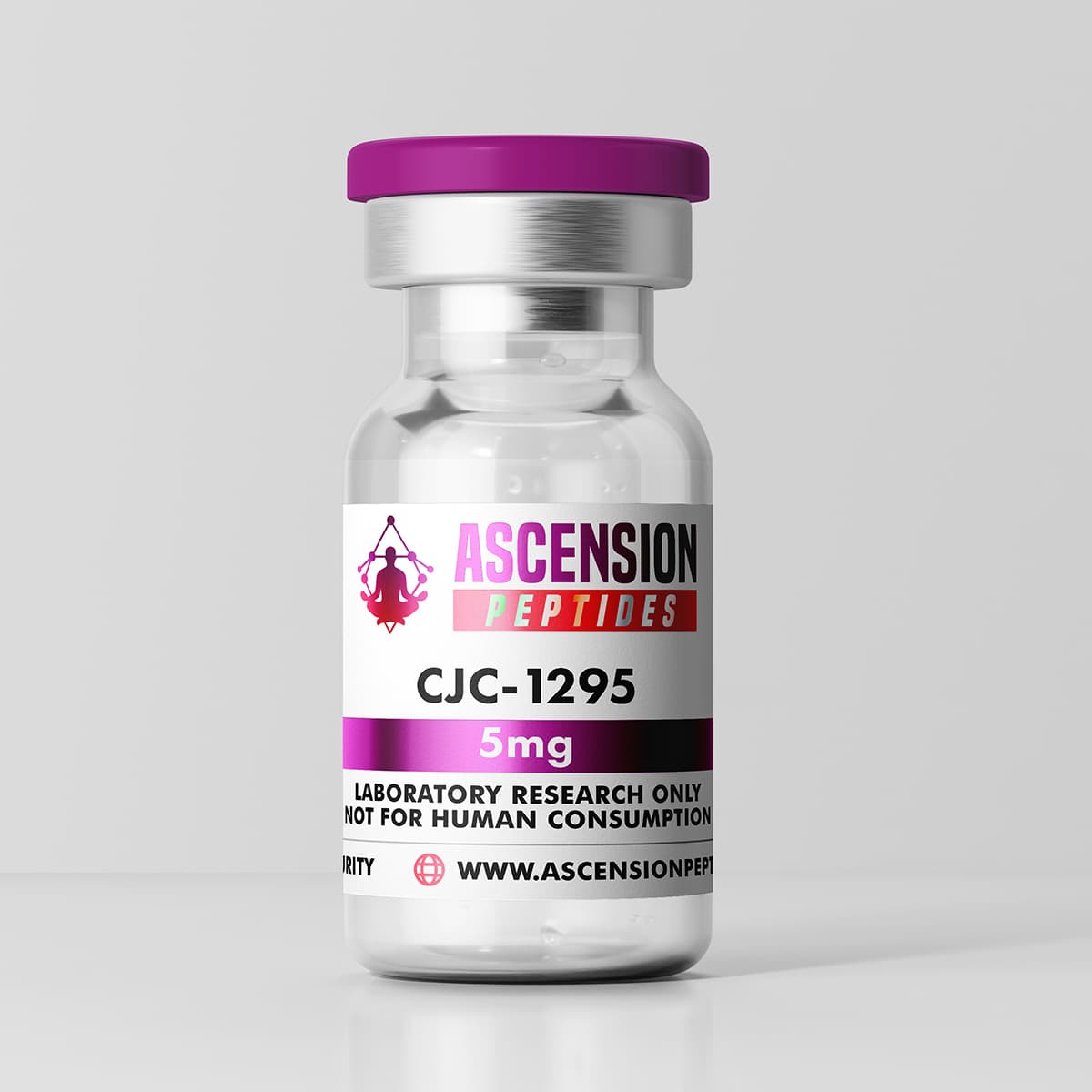
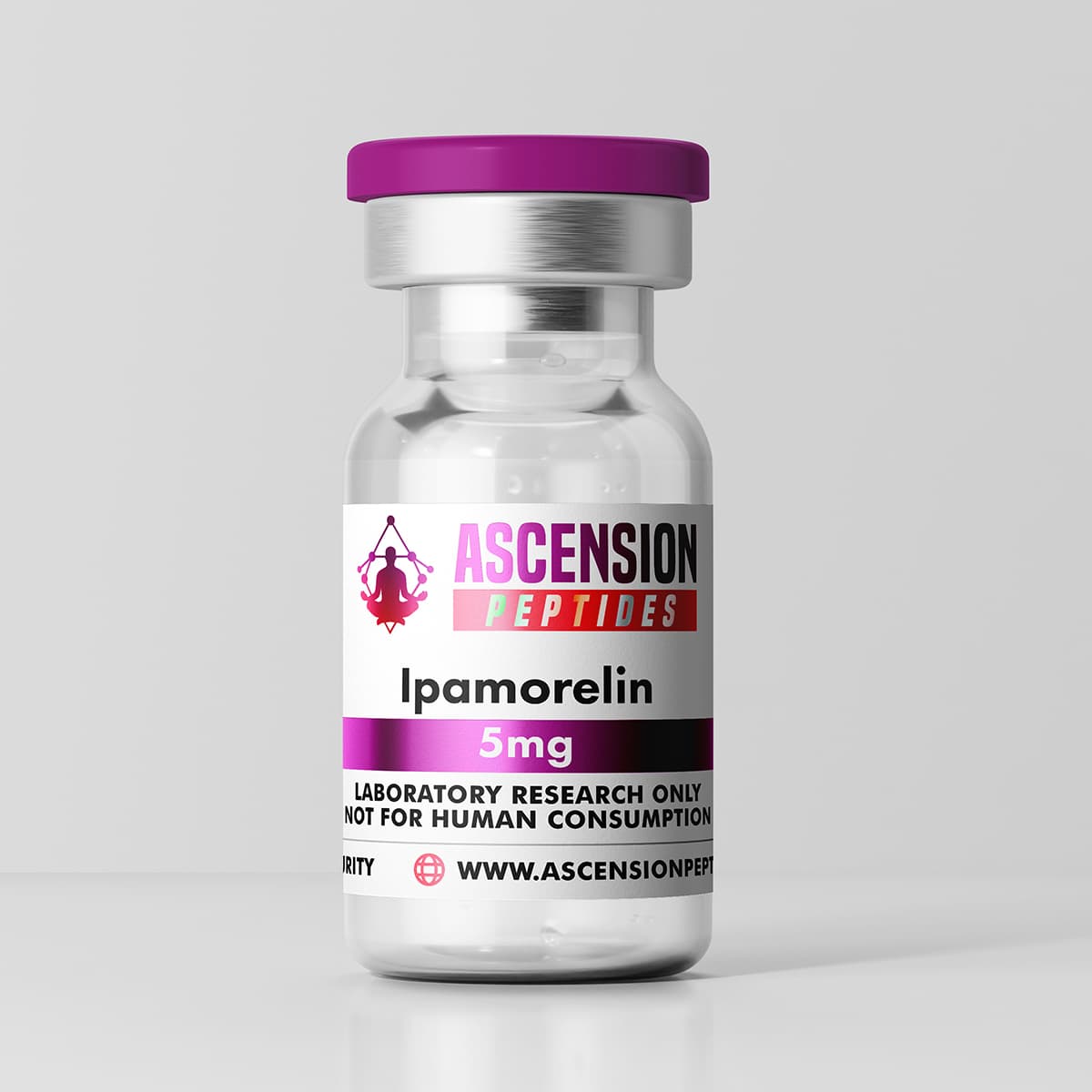
4. CJC-1295 + Ipamorelin — The GH Optimization Stack
Growth hormone (GH) profoundly influences energy levels, body composition, and recovery. As GH declines with age, many people experience increased fatigue, poor sleep quality, and slower recovery from exercise.
CJC-1295 (a growth hormone-releasing hormone analog) combined with Ipamorelin (a growth hormone secretagogue) represents the most popular peptide stack for optimizing GH levels naturally. This combination provides:
- Enhanced deep sleep: GH is released during deep sleep; better sleep quality means more natural GH production and improved daytime energy
- Improved body composition: Increased fat metabolism and lean muscle maintenance support sustained energy
- Faster recovery: Reduced post-exercise fatigue and quicker return to baseline
- Better mood and cognitive function: GH influences neurotransmitter systems affecting motivation and mental energy
For a detailed comparison, see our CJC-1295 vs Ipamorelin comparison.
5. 5-Amino-1MQ — The Metabolic Activator
5-Amino-1MQ isn't technically a peptide but a small molecule often discussed alongside peptides for metabolic optimization. It inhibits NNMT (nicotinamide N-methyltransferase), an enzyme that increases with age and obesity.
By blocking NNMT, 5-Amino-1MQ increases NAD+ levels—the coenzyme essential for mitochondrial energy production. Higher NAD+ translates to improved metabolic flexibility, better fat burning, and increased cellular energy.
Research in obese mice demonstrated that 5-Amino-1MQ treatment reduced body weight and improved metabolic markers without affecting food intake—suggesting enhanced energy expenditure rather than reduced appetite.
6. Thymosin Alpha-1 — The Immune Modulator
Chronic fatigue often has an immune component. Whether from viral infections, autoimmune conditions, or chronic inflammation, immune dysfunction drains energy. Thymosin Alpha-1 is a thymic peptide that modulates immune function without over-stimulating it.
For fatigue related to chronic infections or post-viral syndromes (including long COVID), thymosin alpha-1 may help restore immune balance and reduce the inflammatory burden contributing to exhaustion.
Immune Balance
Modulates T-cell function without overstimulation.
Anti-Inflammatory
Reduces chronic inflammation that drives fatigue.
Dendritic Cell Activation
Enhances coordinated immune responses.
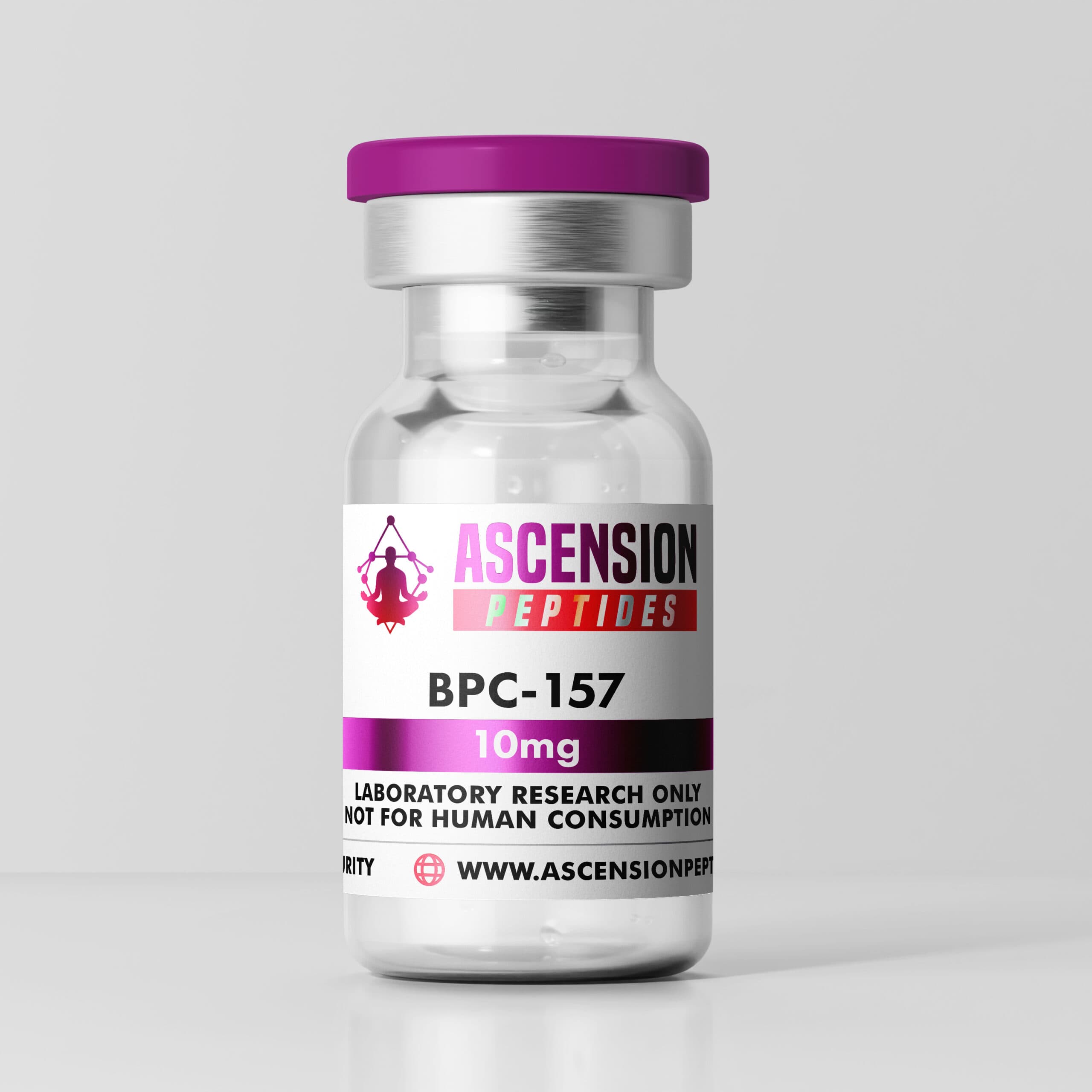
7. BPC-157 — The Recovery Accelerator
While BPC-157 is primarily known for healing injuries, its broad regenerative effects make it valuable for fatigue associated with overtraining, chronic stress, or gut issues.
BPC-157's nitric oxide modulation improves blood flow, while its effects on the gut-brain axis may benefit fatigue with digestive components. Athletes frequently report improved recovery and sustained energy when using BPC-157 during intense training phases.
For more on healing peptides, see our healing and recovery guide.
8. DSIP (Delta Sleep-Inducing Peptide)
DSIP is a neuropeptide that promotes restorative sleep—the foundation of daytime energy. Poor sleep quality is one of the most common and overlooked causes of fatigue. DSIP enhances delta wave (deep) sleep without the grogginess of sedative medications.
By improving sleep architecture, DSIP indirectly boosts energy through better recovery, hormone optimization, and cognitive restoration. For detailed information, check our best peptides for sleep guide.
Peptide Stacks for Maximum Energy
Combining peptides that work through different mechanisms can provide synergistic energy benefits. Here are research-informed stacking approaches:
Learn more about combining peptides effectively in our peptide stacking guide.

Lifestyle Factors That Enhance Peptide Results
Peptides work best as part of a comprehensive approach to energy optimization:
Optimize Sleep Hygiene
Maintain consistent sleep schedules, dark sleeping environment, and avoid screens before bed to maximize GH peptide benefits.
Exercise Appropriately
Resistance training and HIIT amplify peptide effects on metabolism and body composition. Avoid overtraining, which depletes energy.
Address Nutritional Deficiencies
Iron, B12, vitamin D, and magnesium deficiencies cause fatigue. Ensure adequate levels before attributing fatigue to mitochondrial issues.
Manage Stress
Chronic stress depletes cortisol and mitochondrial function. Stress management enhances the effectiveness of all energy-focused interventions.
What to Expect: Timeline and Results
Energy improvements from peptides typically follow this pattern:
- Week 1-2: Sleep quality improvements (especially with GH peptides and DSIP)
- Week 2-4: Noticeable improvement in recovery and post-exercise energy
- Week 4-8: Sustained daytime energy, improved exercise tolerance
- Month 2-3: Body composition changes, metabolic improvements become apparent
For more on peptide timelines, read how long peptides take to work.
Pro Tip
Keep an energy journal during your peptide protocol. Rate your energy on a 1-10 scale at consistent times daily to objectively track improvements that might otherwise go unnoticed.
Frequently Asked Questions
Conclusion
Peptides offer a fundamentally different approach to fatigue than stimulants or energy drinks. By targeting mitochondrial function, hormone optimization, immune balance, and cellular recovery, they address root causes rather than masking symptoms.
For most people, starting with a GH optimization stack (CJC-1295 + Ipamorelin) provides a solid foundation with relatively quick results. Those with suspected mitochondrial issues may benefit more from SS-31 or MOTS-c. Fatigue with immune or inflammatory components may respond best to Thymosin Alpha-1 or BPC-157.
As always, work with a knowledgeable healthcare provider, address basic lifestyle factors first, and track your response objectively. With the right approach, peptides can be powerful tools for reclaiming your energy.