One of the most common questions in the peptide research community is whether you can mix multiple peptides together in the same syringe or vial. The short answer is: it depends. While many peptides can be safely combined, understanding compatibility, stability, and proper technique is essential for maintaining peptide integrity and research accuracy.
🔑 Key Takeaways
- Many peptides CAN be mixed in the same syringe for convenience
- Never mix peptides in the same vial for long-term storage—stability varies
- Some peptide combinations are incompatible due to pH or structural conflicts
- Timing of administration matters as much as physical mixing
Understanding Peptide Compatibility
Before mixing any peptides, it's crucial to understand what makes peptides compatible or incompatible. Several factors determine whether peptides can be safely combined:
pH Requirements
Different peptides may require different pH ranges for stability. Mixing peptides with conflicting pH needs can cause degradation.
Molecular Interactions
Some peptide sequences can interact with each other, potentially forming aggregates or precipitates.
Stability Windows
Peptides have different stability profiles once reconstituted. Mixing peptides with different shelf lives affects overall stability.
Common Peptide Combinations That Can Be Mixed
Based on research protocols and practical experience, several peptide combinations are commonly mixed in the same syringe immediately before administration:
Growth Hormone Secretagogue Combinations
The most frequently combined peptides belong to the growth hormone secretagogue family. CJC-1295 and Ipamorelin are often mixed together because they work synergistically—CJC-1295 amplifies the natural GH pulse while Ipamorelin triggers it. This combination is considered stable for short-term mixing.
- CJC-1295 + Ipamorelin (most common combination)
- GHRP-2 + Mod GRF 1-29
- GHRP-6 + CJC-1295 (without DAC)
- Ipamorelin + Sermorelin
Healing Peptide Combinations
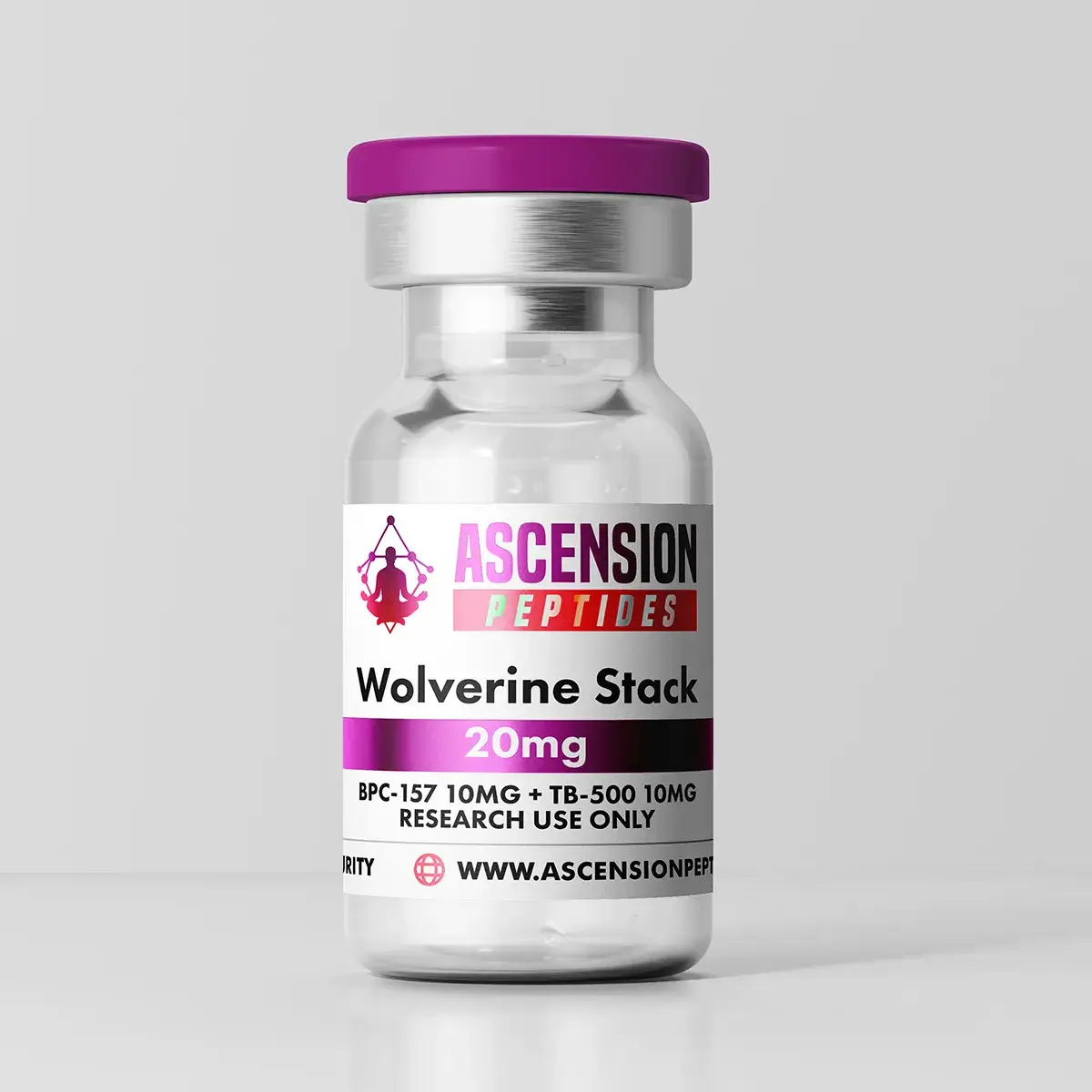
BPC-157 and TB-500 are frequently used together for tissue repair research. While they can be drawn into the same syringe immediately before administration, they should be stored in separate vials because their optimal storage conditions differ slightly.
Peptides You Should NOT Mix
Some peptide combinations are problematic and should be kept separate:
- Acidic + Basic peptides: Peptides requiring low pH (like some melanocortin peptides) shouldn't be mixed with those needing neutral pH
- Copper peptides + other peptides: GHK-Cu can interact with other peptides due to its copper ion
- Long-term storage mixes: Never pre-mix peptides for storage lasting more than a few hours
- Unknown combinations: If stability data doesn't exist, keep peptides separate
Why Copper Peptides Are Problematic
GHK-Cu contains a copper ion that can catalyze oxidation reactions in other peptides. This makes it incompatible for mixing with most other peptides. Always administer copper peptides separately.
Proper Technique for Mixing Peptides
If you're combining compatible peptides in a syringe, follow these best practices:
Reconstitute Each Peptide Separately
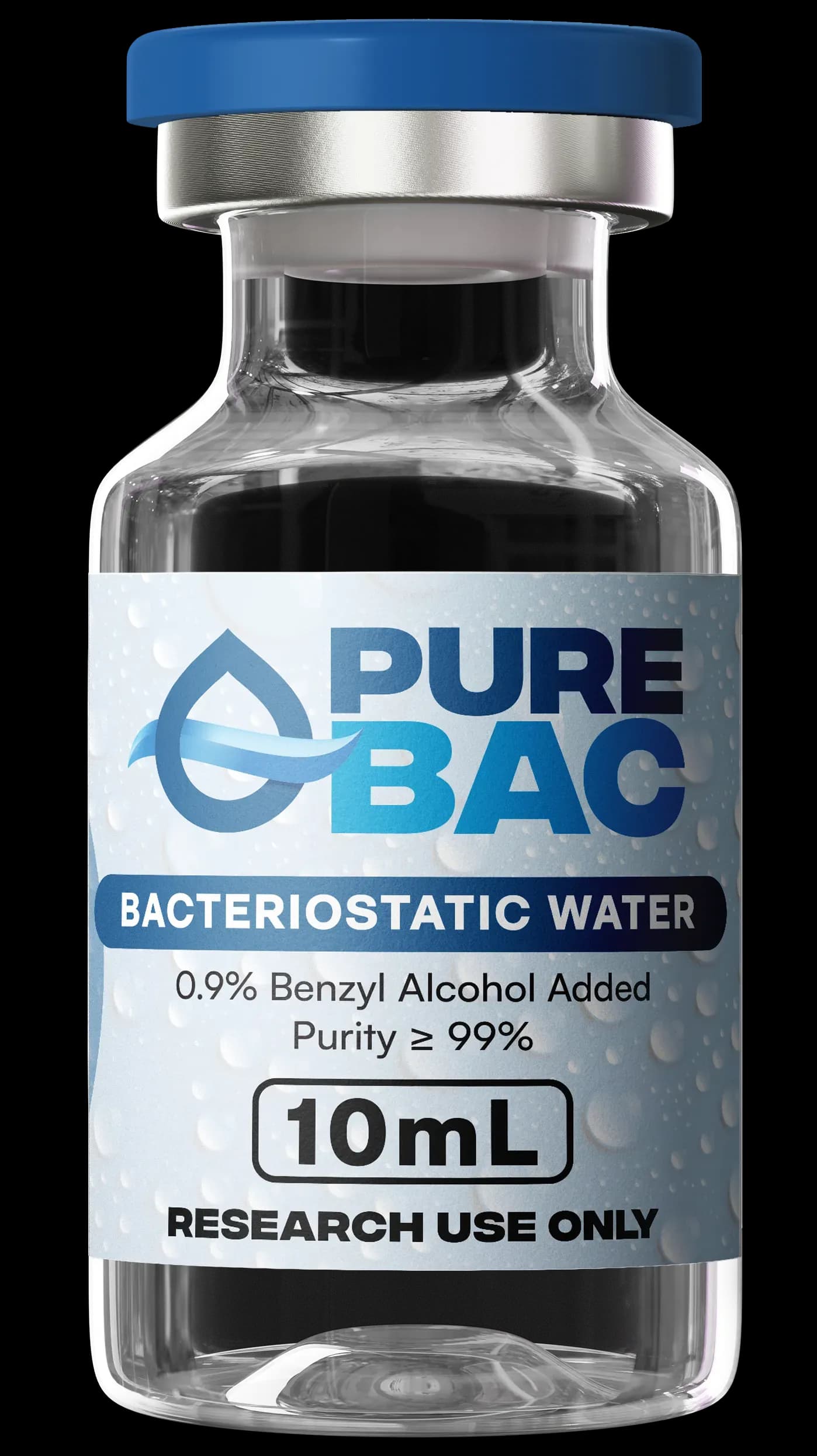
Always reconstitute each peptide in its own vial with bacteriostatic water. Never add multiple lyophilized peptides to the same vial.
Draw Peptides Sequentially
Using a clean insulin syringe, draw your first peptide dose, then draw the second peptide into the same syringe. Follow proper dosing calculations for each.
Administer Immediately
Once peptides are mixed in a syringe, use the mixture promptly. Don't let mixed peptides sit in a syringe for extended periods.
Change Needles If Needed
If drawing from multiple vials, consider using a drawing needle, then switching to a fresh needle for administration to maintain sterility.
Syringe Mixing vs. Vial Mixing
There's an important distinction between mixing peptides in a syringe versus mixing them in a vial:
Pro Tip
Even if you're administering multiple peptides at the same time, keeping them in separate vials extends their overall shelf life and protects your research investment. The few extra seconds to draw from two vials is worth it.
Timing Considerations: Sequential vs. Simultaneous
Beyond physical mixing, timing of administration matters for peptide stacks:
Peptides That Work Best Together (Simultaneous)
- GHRH + GHRP combinations: Synergistic effect requires concurrent administration
- BPC-157 + TB-500: Complementary healing mechanisms
- Ipamorelin + CJC-1295: Designed to be used together
Peptides That Should Be Separated (Sequential)
- GH-releasing peptides + insulin: Timing affects efficacy (if applicable in research)
- Multiple melanocortin agonists: May compete for receptors
- Different peptide categories: Healing peptides vs. GH peptides can often be timed separately
Reconstitution Volume Considerations
When planning to mix peptides in a syringe, consider your total injection volume:
- Subcutaneous injections are typically most comfortable at 0.5-1.0 mL total volume
- If combining peptides creates excessive volume, consider adjusting reconstitution concentrations
- Higher concentration = smaller volume per dose = easier mixing
For example, if you reconstitute each peptide at a higher concentration, your combined dose volumes stay manageable. Review our reconstitution guide for concentration calculations.
Signs of Peptide Incompatibility
If you've mixed peptides and notice any of these warning signs, discard the mixture:
- Cloudiness or precipitate: Clear solutions should remain clear
- Color change: Most peptides are colorless; any discoloration indicates degradation
- Visible particles: Aggregation or particulate matter
- Unusual consistency: Gelling or increased viscosity
Learn more about identifying degraded peptides in our guide on how to tell if peptides have gone bad.
Storage After Mixing
If you must store a mixed peptide solution temporarily:
- Refrigerate immediately at 2-8°C (36-46°F)
- Use within 4-8 hours maximum
- Protect from light
- Do not freeze mixed solutions
For long-term storage best practices, see our comprehensive peptide storage guide.
Frequently Asked Questions
No. Never add multiple lyophilized peptides to the same vial. Each peptide should be reconstituted separately in its own vial. This protects peptide integrity, allows proper dosing control, and prevents unpredictable degradation from peptide-peptide interactions during storage.
For best results, use mixed peptides immediately after drawing them into the syringe. If you must wait, keep the syringe refrigerated and use within 1-2 hours maximum. Extended time in a syringe increases degradation risk and potential for contamination.
While these peptides have different mechanisms and targets, they can be drawn into the same syringe for convenience if administered immediately. However, they're typically used for different purposes (healing vs. GH release) and at different times of day, so separate administration is often more practical.
GHK-Cu contains a copper ion that can catalyze oxidation reactions in other peptides, leading to degradation. The copper can also interact with amino acid residues in other peptides, potentially forming unwanted complexes. Always administer GHK-Cu separately from other peptides.
This is not recommended. Pre-filled syringes create sterility concerns, and peptide stability in plastic syringes over extended periods is questionable. Additionally, the rubber stopper of the syringe may leach compounds into the solution. Draw your doses fresh from refrigerated vials for each use.
Some research chemical suppliers offer pre-formulated peptide blends (like CJC-1295/Ipamorelin combinations). These are specifically formulated and tested for stability together. However, mixing your own peptides from separate vials gives you more control over individual dosing and is generally preferred for research flexibility.
The order typically doesn't matter for compatible peptides being mixed immediately before use. However, some researchers prefer to draw the smaller volume first, then the larger volume, to ensure accurate dosing. What matters most is using proper aseptic technique for each vial.
If peptides are incompatible or mixed improperly, yes. Chemical interactions, pH conflicts, or extended storage of mixed peptides can all reduce potency. When peptides are properly mixed (compatible combinations, immediate use, correct technique), effectiveness should be maintained.
Summary: Best Practices for Peptide Mixing
🔑 Remember These Rules
- Reconstitute separately: Each peptide in its own vial
- Mix only compatible peptides: When stability data supports it
- Use immediately: Don't store mixed peptides
- Watch for degradation: Cloudiness, color, or particles mean discard
- Keep copper peptides separate: GHK-Cu should never be mixed
- Consider timing: Some peptides work best staggered rather than mixed
For more information on peptide combinations and protocols, explore our comprehensive peptide stacking guide and individual peptide profiles.