sciencePeptideDeck
PeptidesBlogAbout
search
Database Access
Home/Blog/Guides/Best Peptides for Athletic Performance and Recovery in 2026
Guides

Best Peptides for Athletic Performance and Recovery in 2026

Discover the top research-backed peptides for athletic performance, endurance, recovery, and injury prevention. Learn how athletes use peptides to optimize training outcomes.

February 5, 2026
14 min read
Best Peptides for Athletic Performance and Recovery in 2026

Whether you're an endurance runner grinding through marathon training, a strength athlete pushing for new PRs, or a weekend warrior trying to recover faster between sessions, peptide research has uncovered compounds that may support nearly every aspect of athletic performance.

Unlike anabolic steroids or traditional PEDs, many peptides work by optimizing your body's own signaling systems—growth hormone secretion, tissue repair cascades, energy metabolism, and inflammatory responses. The result? Research suggests targeted support without the blunt-force disruption of hormonal axes.

This guide breaks down the most studied peptides for athletic performance, organized by what they actually do. We'll cover the science, the practical considerations, and—critically—the legal and anti-doping landscape every athlete needs to understand.

⚠️ Important: Many peptides discussed here are prohibited by WADA (World Anti-Doping Agency) and most professional sporting bodies. This article is for educational and research purposes only. Athletes subject to drug testing should consult their sport's anti-doping authority before using any peptide compound.

🔑 Key Takeaways

  • Growth hormone secretagogues like Ipamorelin and CJC-1295 may support recovery, body composition, and sleep quality in athletes
  • BPC-157 and TB-500 are the most studied peptides for injury healing and tissue repair
  • MOTS-c and SS-31 represent a new frontier of mitochondrial peptides for endurance performance
  • Most performance-enhancing peptides are banned under WADA rules—know before you go
  • Peptide stacking strategies can target multiple aspects of athletic performance simultaneously
Performance Categories

Best Peptides for Endurance and Stamina

Endurance athletes need sustained energy output, efficient oxygen utilization, and the ability to resist fatigue over long durations. Several peptides target these pathways through mitochondrial function, metabolic optimization, and cardiovascular support.

1. MOTS-c — The Mitochondrial Performance Peptide

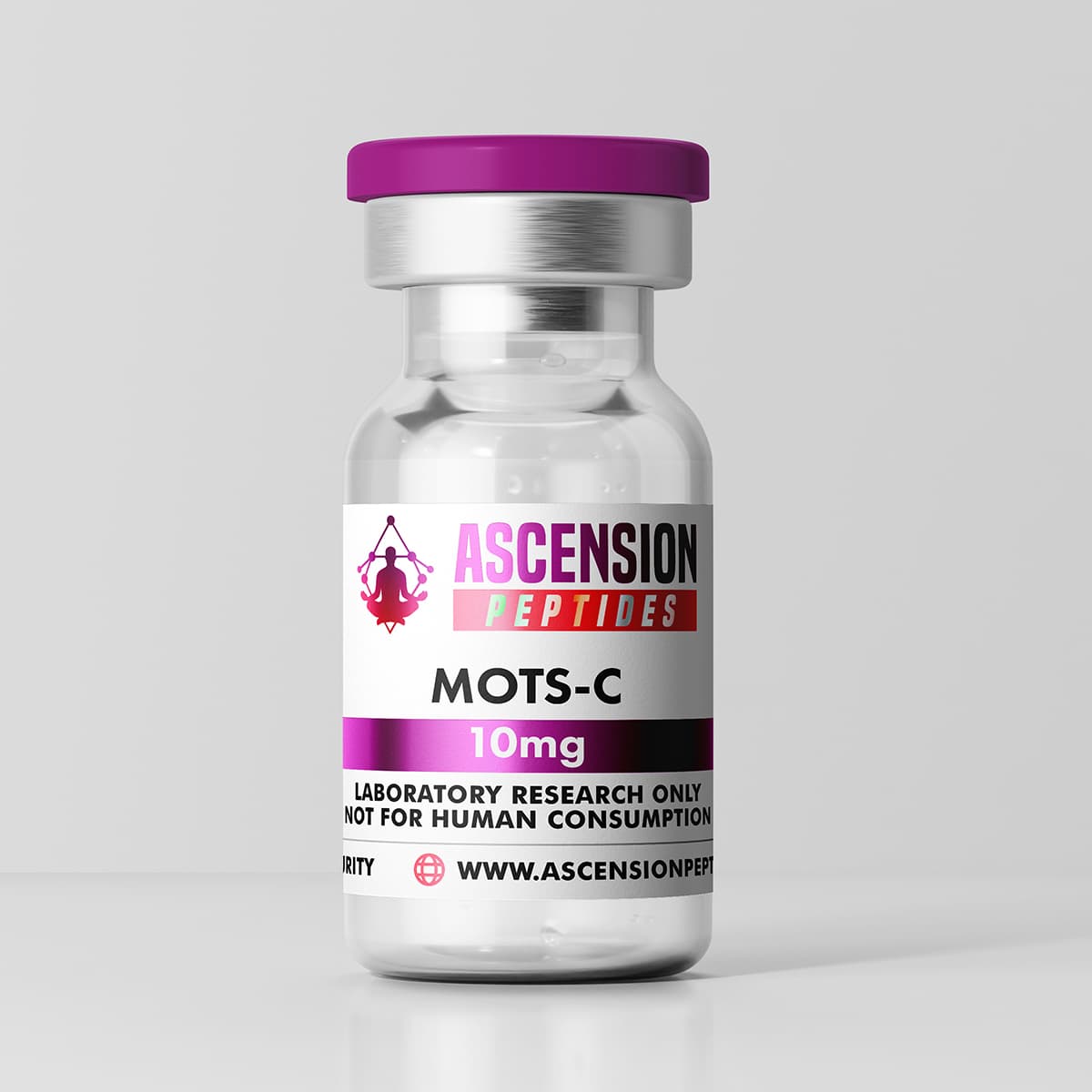
MOTS-c is a mitochondrial-derived peptide encoded within the mitochondrial genome—one of very few peptides with this origin. Research has shown it plays a significant role in metabolic homeostasis, insulin sensitivity, and exercise capacity.

⚡

Metabolic Regulation

Activates AMPK pathway, the master switch for cellular energy metabolism and endurance adaptation.

🏃

Exercise Capacity

Animal studies show improved exercise performance and resistance to diet-induced obesity.

🔋

Mitochondrial Function

Supports mitochondrial biogenesis and function—the powerhouses driving aerobic performance.

A landmark 2015 study published in Cell Metabolism demonstrated that MOTS-c treatment in mice prevented age- and diet-dependent insulin resistance and obesity. For endurance athletes, the AMPK activation pathway is the same one triggered by endurance training itself—suggesting MOTS-c may enhance training adaptations at the cellular level.

ℹ️ Research Note: MOTS-c levels naturally decline with age, which may partly explain age-related declines in exercise capacity. Supplementation research is still in early stages, but the mechanistic evidence is compelling.

2. SS-31 (Elamipretide) — Mitochondrial Membrane Stabilizer

SS-31 targets the inner mitochondrial membrane, specifically binding to cardiolipin—a phospholipid critical for electron transport chain efficiency. By stabilizing mitochondrial cristae structure, SS-31 may improve ATP production efficiency and reduce reactive oxygen species (ROS) generated during intense exercise.

For endurance athletes, this means potentially better energy output per unit of oxygen consumed and reduced oxidative damage during prolonged efforts. Clinical trials have examined SS-31 in mitochondrial myopathy and heart failure, with results showing improved exercise tolerance in patient populations.

3. GHK-Cu — The Recovery and Oxygen Peptide

While primarily known for its wound healing and anti-aging properties, GHK-Cu (copper peptide) has research supporting its role in tissue remodeling and antioxidant enzyme upregulation. For endurance athletes, its ability to increase superoxide dismutase (SOD) and other antioxidant defenses may help manage exercise-induced oxidative stress.

Strength & Power

Explore Premium Research Peptides

Discover high-quality peptides from our trusted research partner.

Apollo Peptides

Best Peptides for Strength and Power Athletes

Strength and power athletes prioritize muscle hypertrophy, explosive force production, and the ability to recover from heavy training loads. Growth hormone secretagogues dominate this category due to their effects on body composition, protein synthesis, and sleep quality.

4. Ipamorelin — The Cleanest GH Secretagogue

Ipamorelin is a selective growth hormone releasing peptide (GHRP) that stimulates GH release without significantly affecting cortisol or prolactin levels. This selectivity makes it particularly appealing for athletes who want GH's anabolic and recovery benefits without the hormonal side effects seen with less selective secretagogues like GHRP-6.

GH PulseMechanism
~2 hoursHalf-life
SelectiveGH Release

Research shows Ipamorelin produces a dose-dependent increase in GH release similar to GHRP-6 but with a much cleaner hormonal profile. For strength athletes, elevated GH supports protein synthesis, fat metabolism, connective tissue strengthening, and deep sleep—all critical for training adaptation.

5. CJC-1295 (with and without DAC) — Extended GH Release

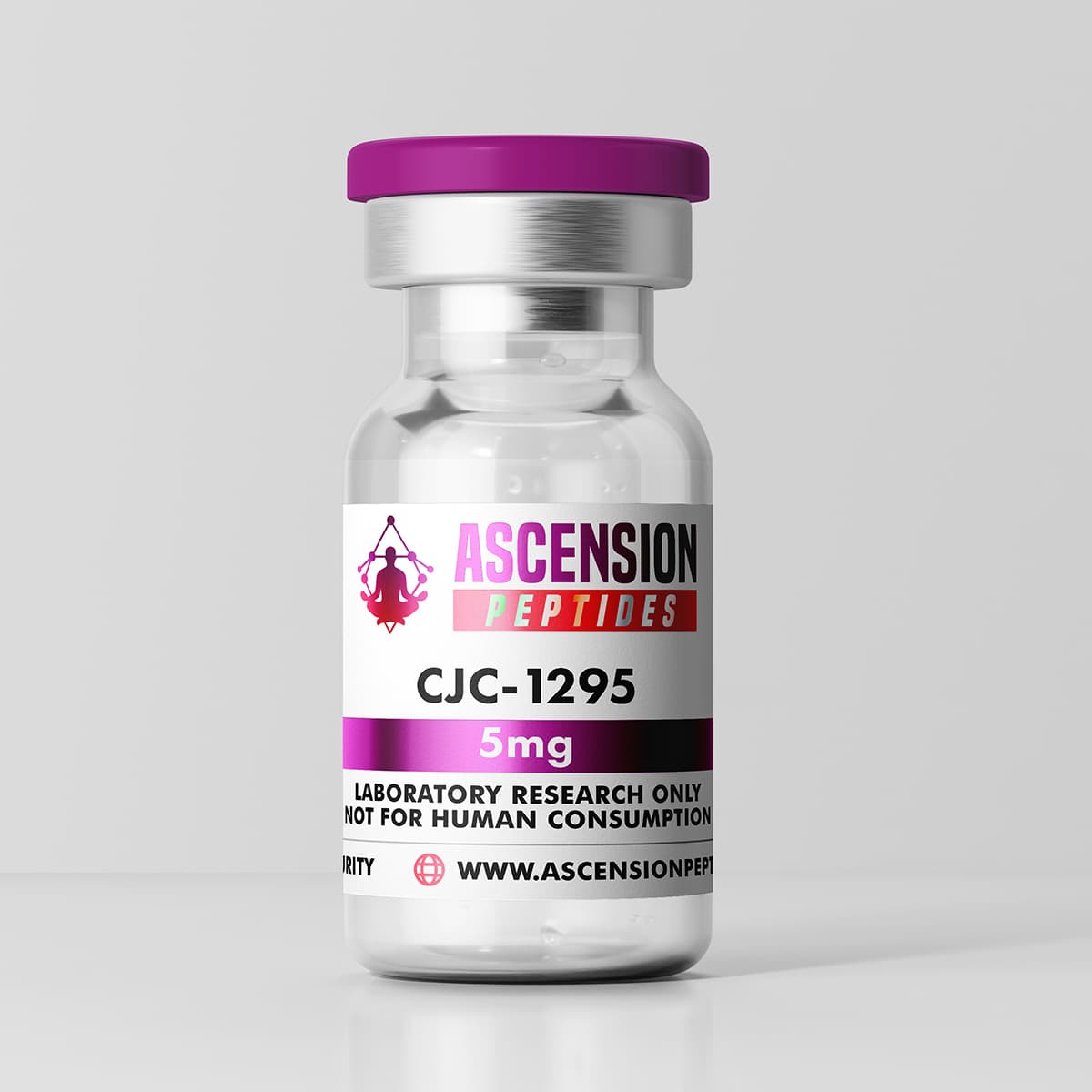
CJC-1295 is a modified growth hormone releasing hormone (GHRH) analog that extends the half-life of GH stimulation. When combined with Ipamorelin, it creates a synergistic effect—CJC-1295 amplifies the GH pulse initiated by Ipamorelin, resulting in more substantial and sustained GH elevation.

The DAC (Drug Affinity Complex) version binds to serum albumin, extending its half-life to approximately 8 days. The non-DAC version (also called Mod GRF 1-29) has a shorter duration but produces more physiological, pulsatile GH release patterns preferred by many researchers.

Pro Tip

The CJC-1295/Ipamorelin combination is one of the most widely studied peptide stacks for body composition. Research suggests administering before bed may optimize results by aligning exogenous GH stimulation with the natural nocturnal GH surge.

6. MK-677 (Ibutamoren) — Oral GH Secretagogue

Technically not a peptide but a non-peptide ghrelin receptor agonist, MK-677 deserves mention because it's orally active and produces sustained GH elevation for up to 24 hours from a single dose. Studies in healthy older adults showed MK-677 increased GH secretion and IGF-1 levels to those of young adults.

For athletes, MK-677's advantages include oral administration (no injections), consistent daily GH elevation, and documented improvements in sleep quality—particularly deep sleep phases critical for recovery and tissue repair. The main trade-off is increased appetite (mimicking ghrelin's hunger signal) and potential water retention.

Recovery & Healing

Best Peptides for Recovery and Injury Prevention

Recovery isn't just about feeling less sore—it's about tissue repair, inflammation management, and returning to training capacity as quickly as possible. This is where peptide research arguably has its strongest evidence base.

7. BPC-157 — The Tissue Repair Peptide

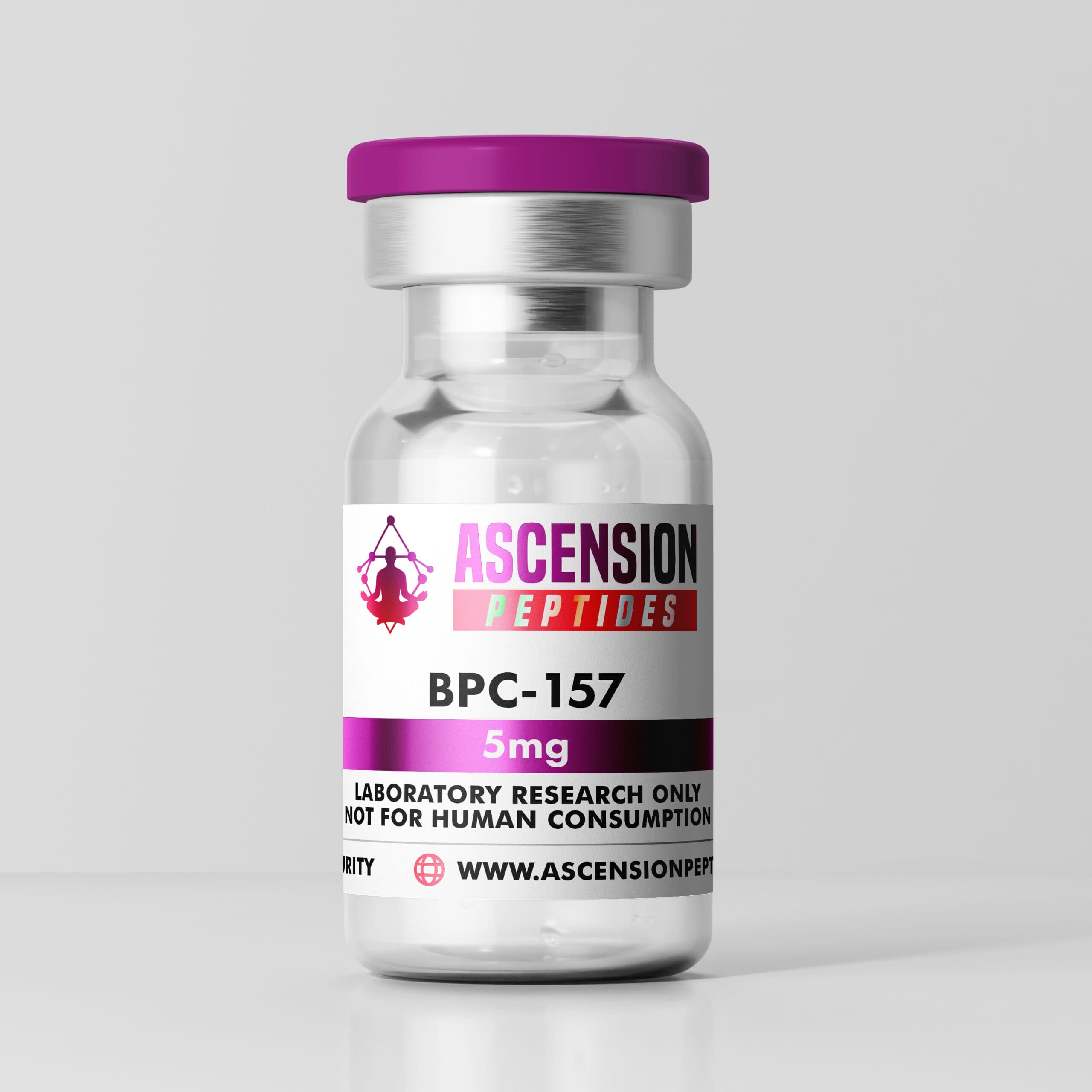
BPC-157 (Body Protection Compound-157) remains the gold standard in regenerative peptide research. This gastric pentadecapeptide has demonstrated healing effects across tendons, ligaments, muscles, bones, and gut tissue in over 100 animal studies.

🦴

Tendon & Ligament Repair

Accelerated healing of transected Achilles tendons and MCL injuries in rat studies.

💪

Muscle Recovery

Reduced fibrosis and faster functional recovery following crush injuries in animal models.

🔬

Multi-Mechanism

Works through VEGF upregulation, NO modulation, and FAK-paxillin signaling pathways.

For athletes dealing with overuse injuries, tendinopathy, or recovering from acute injuries, BPC-157's research profile is uniquely relevant. Its ability to promote angiogenesis (new blood vessel formation) at injury sites may accelerate the supply of nutrients and immune cells needed for repair.

📝 Note: BPC-157 is uniquely stable in gastric juice and shows oral bioactivity in animal studies—a rare property among peptides that could simplify administration.

8. TB-500 (Thymosin Beta-4) — The Cell Migration Peptide

TB-500 is a synthetic fragment of Thymosin Beta-4, a naturally occurring 43-amino acid peptide involved in cell migration, angiogenesis, and wound healing. TB-500 works primarily by sequestering G-actin monomers, promoting actin polymerization, and facilitating cell migration to injury sites.

Where BPC-157 excels in connective tissue repair, TB-500 has a stronger research base for cardiac tissue protection, hair follicle stem cell migration, and systemic anti-inflammatory effects. Many researchers study BPC-157 and TB-500 together, as they appear to target complementary healing pathways.

9. Pentosan Polysulfate (PPS) — Joint Protection

While not a peptide in the strict sense, PPS is often discussed alongside peptide protocols for athletes. This semi-synthetic polysulfated xylan has demonstrated chondroprotective properties—protecting and potentially regenerating cartilage. For athletes with joint stress from repetitive impact (runners, CrossFit athletes, basketball players), PPS research suggests potential value in preserving joint health over years of training.

Anti-Inflammatory

Best Peptides for Inflammation Management

Chronic low-grade inflammation is the enemy of athletic performance. It impairs recovery, disrupts sleep, and accelerates joint degradation. These peptides target inflammatory pathways specifically.

10. KPV — Targeted Anti-Inflammatory

KPV is a tripeptide derived from alpha-melanocyte stimulating hormone (α-MSH) that has demonstrated potent anti-inflammatory effects in research. It inhibits NF-κB activation—one of the master regulators of inflammatory gene expression—and has shown particular promise for gut inflammation in animal models.

For athletes dealing with gut issues during endurance events (a common problem affecting up to 70% of endurance athletes), KPV's gut-specific anti-inflammatory activity makes it a compelling research target. Systemic inflammation reduction may also support overall recovery capacity.

11. LL-37 — Immune and Anti-Inflammatory

LL-37 is a human cathelicidin antimicrobial peptide with both direct antimicrobial activity and immunomodulatory effects. For athletes, its relevance lies in managing the temporary immune suppression that occurs after intense training (the "open window" theory) while also modulating inflammatory responses.

Athlete Stacks

Peptide Stacks for Athletes: Research-Based Combinations

Researchers often study peptide combinations targeting multiple aspects of athletic performance simultaneously. Here are the most commonly investigated stacks:

StackTargetPeptidesRationale
Recovery + GHStrength AthletesIpamorelin + CJC-1295 + BPC-157GH for anabolism, BPC-157 for connective tissue protection
EnduranceEndurance AthletesMOTS-c + BPC-157 + KPVMitochondrial function + tissue repair + gut inflammation management
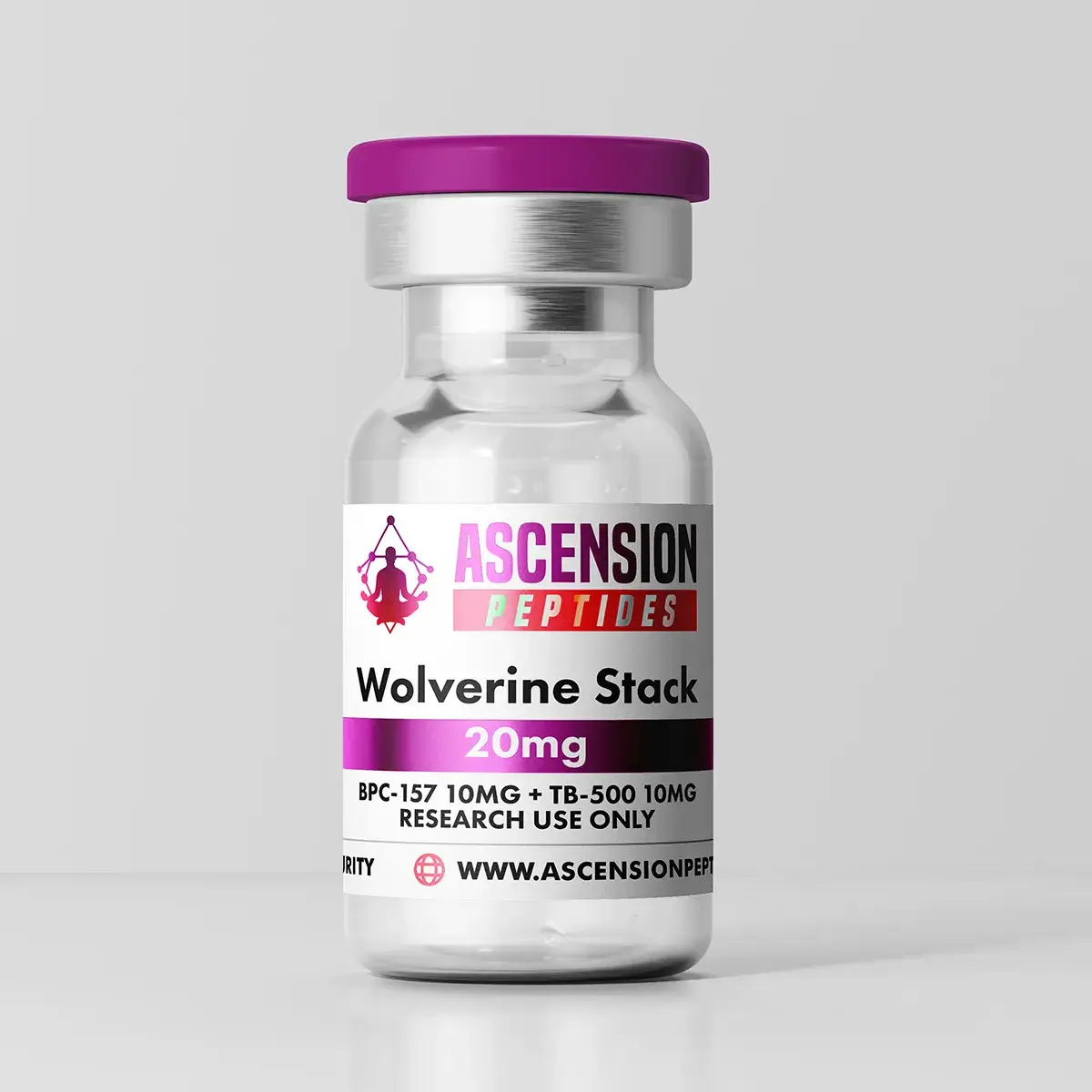
Injury RehabAny Injured AthleteBPC-157 + TB-500Complementary healing mechanisms covering connective tissue and systemic repair
Body CompositionWeight-Class AthletesCJC-1295 + Ipamorelin + HGH Frag 176-191GH elevation for lean mass + targeted lipolysis fragment
⚠️ Warning: Peptide stacking increases complexity and the potential for unknown interactions. All combinations discussed are based on preclinical research. No human clinical trials have validated these specific stacking protocols.
Legal Considerations

Explore Premium Research Peptides

Discover high-quality peptides from our trusted research partner.

Apollo Peptides

WADA, Anti-Doping, and Legal Status

This is non-negotiable for competitive athletes: most performance-enhancing peptides are prohibited substances under WADA rules.

⚠️ WADA Prohibited List: Growth hormone secretagogues (Ipamorelin, CJC-1295, GHRP-2, GHRP-6, MK-677), growth hormone releasing peptides, and many other compounds discussed in this article are explicitly prohibited in- and out-of-competition under the WADA Prohibited List. Violations carry severe consequences including multi-year bans.

The WADA Prohibited List includes:

  • S2. Peptide Hormones, Growth Factors, and Related Substances: Includes all GH secretagogues, GHRPs, and their analogs
  • S0. Non-Approved Substances: Any pharmacological substance not addressed by other sections and not currently approved for human therapeutic use—a catch-all that covers most research peptides
  • S4.4 Metabolic Modulators: May cover peptides affecting metabolic pathways

Even in non-tested recreational athletics, athletes should understand their country's regulatory framework. In many jurisdictions, peptides occupy a gray area—legal to possess for research purposes but not approved for human use by regulatory agencies like the FDA.

Practical Considerations

Practical Considerations for Athletes

Timing Around Training

Research suggests timing matters for peptide administration:

1

GH Secretagogues: Before Bed

Administering Ipamorelin/CJC-1295 30-60 minutes before sleep aligns with natural GH secretion patterns. Some researchers also study pre-training doses to enhance the exercise-induced GH pulse.

2

Healing Peptides: Near the Injury

BPC-157 and TB-500 are often studied with subcutaneous injection near the injury site, though systemic administration also shows efficacy in animal models.

3

Fasted State for GH Compounds

Insulin and GH have an inverse relationship. Research protocols for GH secretagogues typically specify administration on an empty stomach (2+ hours after eating) for maximum GH release.

Cycling and Periodization

Just as athletes periodize their training, peptide research often involves cycling protocols. GH secretagogues are commonly studied in 8-12 week cycles to prevent receptor desensitization. Healing peptides like BPC-157 are typically studied for the duration of the healing period, which varies by injury severity.

Quality and Purity Concerns

Peptide quality varies enormously between suppliers. Athletes considering peptide research should prioritize:

  • Third-party Certificate of Analysis (CoA) with HPLC purity testing
  • Mass spectrometry confirmation of molecular identity
  • Minimum 98%+ purity standards
  • Reputable suppliers with transparent testing practices
FAQs

Frequently Asked Questions

What is the best peptide for athletic recovery?
BPC-157 has the most extensive research base for tissue recovery, with over 100 preclinical studies demonstrating healing effects on tendons, ligaments, muscles, and gut tissue. For a broader recovery approach, combining BPC-157 with a GH secretagogue like Ipamorelin addresses both tissue repair and systemic recovery through improved sleep and protein synthesis. TB-500 is another strong research candidate, particularly for injuries involving cell migration to the damaged area.
Are peptides legal for athletes?
Most performance-enhancing peptides are prohibited by WADA and virtually all professional and amateur sporting bodies that follow WADA guidelines. This includes all growth hormone secretagogues, GHRPs, and many other peptide compounds. Even substances not explicitly named may fall under WADA's S0 catch-all category for non-approved substances. Recreational athletes not subject to testing should still understand their country's regulations regarding peptide possession and use.
Can peptides replace traditional sports supplements?
Peptides operate through fundamentally different mechanisms than traditional supplements like creatine, protein powder, or caffeine. They're not replacements but rather represent a different tier of intervention—closer to pharmaceutical compounds than nutritional supplements. Traditional supplements have decades of human research and established safety profiles. Most peptides lack human clinical trial data. Athletes should build their foundation with proven nutrition and supplementation before considering peptide research.
How long do peptides take to work for athletic performance?
Timelines vary significantly by peptide type. GH secretagogues like Ipamorelin/CJC-1295 may show sleep quality improvements within the first week, with body composition changes typically reported over 8-12 weeks in research. Healing peptides like BPC-157 have shown effects within days for gut-related applications and 2-4 weeks for musculoskeletal injuries in animal models. Mitochondrial peptides like MOTS-c are less well characterized in terms of onset in human-relevant contexts.
What peptides are best for endurance athletes specifically?
MOTS-c is the most directly relevant peptide for endurance performance, as it activates the AMPK pathway central to endurance adaptation and improves metabolic efficiency. SS-31 (Elamipretide) targets mitochondrial membrane integrity, potentially improving ATP production efficiency during prolonged exercise. BPC-157 is valuable for endurance athletes prone to overuse injuries and gut issues during long efforts. KPV addresses the exercise-induced gut inflammation that affects a majority of endurance athletes during competition.
Is MK-677 a peptide?
MK-677 (Ibutamoren) is technically not a peptide—it's a non-peptide growth hormone secretagogue that mimics the action of ghrelin. It's included in discussions of athletic peptides because it targets the same GH secretion pathways as peptide-based GHRPs. Its key advantage over injectable peptide GH secretagogues is oral bioavailability, meaning it can be taken by mouth rather than injected. However, it is still prohibited by WADA and carries its own side effect profile including increased appetite and water retention.
Can I stack BPC-157 and TB-500 for injury recovery?
The BPC-157/TB-500 combination is one of the most commonly studied peptide stacks for injury recovery. The rationale is that they work through complementary mechanisms: BPC-157 primarily through growth factor modulation and NO system interaction, while TB-500 primarily through actin regulation and cell migration promotion. Animal research supports the use of both for tissue repair, though no controlled studies have specifically examined this combination. As with all peptide protocols, this is a research context with no established human clinical guidelines.
Summary

The Bottom Line for Athletes

Peptide research has opened genuinely interesting doors for athletic performance optimization. From mitochondrial peptides like MOTS-c that target endurance at the cellular level, to tissue repair compounds like BPC-157 that may accelerate recovery from training-induced damage, the research base is substantial and growing.

But perspective matters. The strongest evidence for athletic performance still comes from:

  • Progressive training with appropriate periodization
  • Nutrition that supports training demands and recovery
  • Sleep as the primary recovery tool
  • Stress management to keep cortisol in check

Peptides, at best, are a layer on top of these fundamentals—not a replacement for them. No peptide will compensate for poor sleep, inadequate nutrition, or overtraining.

For competitive athletes subject to drug testing, most peptides discussed here are off the table entirely. For recreational athletes interested in the science, the evidence is preclinical—promising but unproven in humans. Make informed decisions, prioritize quality and safety, and always consult with a qualified healthcare provider.

🔑 Final Summary

  • Endurance: MOTS-c and SS-31 target mitochondrial function and energy metabolism
  • Strength: Ipamorelin + CJC-1295 provide clean GH elevation for recovery and body composition
  • Recovery: BPC-157 and TB-500 are the most researched healing peptides
  • Inflammation: KPV and LL-37 offer targeted anti-inflammatory research
  • Legal: Most peptides here are WADA-prohibited—know your sport's rules
  • Reality check: Fundamentals first. Peptides are research tools, not magic bullets
Medical Disclaimer: This content is for informational purposes only and does not constitute medical advice. Always consult a qualified healthcare provider before starting any new supplement, medication, or treatment. Peptides discussed are research compounds not approved for human therapeutic use. Individual results may vary. Athletes subject to anti-doping testing should consult their sport's governing body before using any substance.

Explore Premium Research Peptides

Discover high-quality peptides from our trusted research partner.

Apollo Peptides

Related Topics

athletic performanceendurancerecoveryBPC-157ipamorelinMOTS-cTB-500CJC-1295peptide stacksWADA

Table of Contents23 sections

Best Peptides for Endurance and Stamina1. MOTS-c — The Mitochondrial Performance Peptide2. SS-31 (Elamipretide) — Mitochondrial Membrane Stabilizer3. GHK-Cu — The Recovery and Oxygen PeptideBest Peptides for Strength and Power Athletes4. Ipamorelin — The Cleanest GH Secretagogue5. CJC-1295 (with and without DAC) — Extended GH Release6. MK-677 (Ibutamoren) — Oral GH SecretagogueBest Peptides for Recovery and Injury Prevention7. BPC-157 — The Tissue Repair Peptide8. TB-500 (Thymosin Beta-4) — The Cell Migration Peptide9. Pentosan Polysulfate (PPS) — Joint ProtectionBest Peptides for Inflammation Management10. KPV — Targeted Anti-Inflammatory11. LL-37 — Immune and Anti-InflammatoryPeptide Stacks for Athletes: Research-Based CombinationsWADA, Anti-Doping, and Legal StatusPractical Considerations for AthletesTiming Around TrainingCycling and PeriodizationQuality and Purity ConcernsFrequently Asked QuestionsThe Bottom Line for Athletes

Related Articles

Peptides vs SARMs: Key Differences, Safety, and Which to Choose
12 min read
Peptides for Tendon and Ligament Repair: What the Research Shows
14 min read
Understanding Peptide Purity: HPLC, Mass Spec & Quality Testing Explained
12 min read

More Articles

View All
Peptides vs SARMs: Key Differences, Safety, and Which to Choose

Peptides vs SARMs: Key Differences, Safety, and Which to Choose

Feb 1212 min read
Peptides for Tendon and Ligament Repair: What the Research Shows

Peptides for Tendon and Ligament Repair: What the Research Shows

Feb 1214 min read
Understanding Peptide Purity: HPLC, Mass Spec & Quality Testing Explained

Understanding Peptide Purity: HPLC, Mass Spec & Quality Testing Explained

Feb 1212 min read
Back to Blog
sciencePeptideDeck

© 2026 PeptideDeck. Research Purposes Only. Not for human consumption.