Tendon and ligament injuries are among the most frustrating setbacks for athletes, active individuals, and anyone dealing with chronic connective tissue problems. These dense, fibrous structures heal notoriously slowly due to their limited blood supply, often taking months—or even years—to fully recover. Traditional treatment options like rest, physical therapy, and surgery don't always deliver satisfactory outcomes.
This has led many researchers to investigate peptides as potential tools for accelerating connective tissue repair. Several peptides have shown promising results in preclinical studies, though it's important to note that human clinical trials remain limited for most of these compounds.
Why Tendons and Ligaments Heal Slowly
Before diving into specific peptides, it helps to understand why connective tissue repair is so challenging:
- Limited blood supply: Unlike muscles, tendons and ligaments receive minimal blood flow, reducing nutrient delivery and waste removal
- Low cellularity: These tissues contain fewer cells (tenocytes and fibroblasts) than other tissues, slowing the repair process
- Complex collagen structure: Tendons require precisely organized type I collagen fibers to regain strength—disorganized scar tissue doesn't perform as well
- Mechanical stress: These tissues are constantly under load, making complete rest nearly impossible
Effective healing requires addressing multiple factors: increasing blood supply (angiogenesis), stimulating cell proliferation, promoting organized collagen synthesis, and managing inflammation without completely suppressing it.
1. BPC-157: The Most Studied Healing Peptide
BPC-157 (Body Protection Compound-157) stands out as the most extensively researched peptide for tendon and ligament repair. This 15-amino acid peptide, derived from a protective protein in human gastric juice, has demonstrated remarkable effects on connective tissue healing in numerous animal studies.
Research on Tendon Healing
A landmark 2010 study in the Journal of Orthopaedic Research examined BPC-157's effects on medial collateral ligament (MCL) healing in rats. The results were striking: treated animals showed significantly improved biomechanical properties including greater tensile strength, stiffness, and energy absorption compared to controls.
Another study on transected Achilles tendons found that BPC-157 accelerated healing whether administered locally at the injury site or systemically. Histological analysis revealed better collagen fiber organization—crucial for restored function rather than just structural repair.
How BPC-157 Works for Connective Tissue
- Upregulates VEGF expression, promoting new blood vessel formation in injured tissue
- Enhances growth hormone receptor expression in tendon fibroblasts
- Activates the FAK-paxillin pathway, supporting cell migration and adhesion
- Modulates the nitric oxide system to optimize inflammation and blood flow
- Stimulates tendon cell (tenocyte) proliferation and migration
2. TB-500 (Thymosin Beta-4): Cell Migration Specialist
TB-500 is a synthetic version of a naturally occurring peptide called thymosin beta-4. While BPC-157 works through multiple pathways, TB-500's primary mechanism centers on actin regulation and cell migration—both critical for tissue repair.
Research Highlights
Studies show TB-500 promotes the migration of endothelial cells (for blood vessel formation) and stem cells to injury sites. In animal models of muscle and tendon injury, TB-500 treatment resulted in faster functional recovery and improved tissue organization.
The peptide also demonstrates anti-inflammatory effects and appears to reduce scar tissue formation—a significant benefit since excessive scarring can compromise tendon function.
TB-500's Mechanism
- Sequesters G-actin, regulating cytoskeleton dynamics for cell migration
- Promotes angiogenesis and new blood vessel formation
- Reduces inflammation and fibrosis
- Supports stem cell differentiation toward tissue repair
- May protect cells from apoptosis (programmed cell death)
Pro Tip
Many researchers combine BPC-157 and TB-500 for potentially synergistic effects. BPC-157's growth factor modulation combined with TB-500's cell migration promotion may address multiple healing bottlenecks simultaneously. See our BPC-157 vs TB-500 comparison for more details.
3. GHK-Cu: The Collagen Connector
GHK-Cu (copper peptide) is a naturally occurring tripeptide that declines with age. While often associated with skin health, its effects on collagen synthesis make it relevant for tendon and ligament repair.
Collagen and Connective Tissue
GHK-Cu has been shown to:
- Stimulate collagen synthesis—the primary structural protein in tendons and ligaments
- Promote decorin production, which helps organize collagen fibers
- Attract immune cells and fibroblasts to injury sites
- Support blood vessel growth through VEGF and FGF-2 induction
- Modulate gene expression related to tissue remodeling
While less studied specifically for tendon injuries than BPC-157, GHK-Cu's role in collagen organization and wound healing makes it a logical candidate for connective tissue applications.
4. IGF-1 LR3: Growth Factor Amplifier
IGF-1 LR3 is a modified form of insulin-like growth factor 1 with an extended half-life. Growth factors like IGF-1 play essential roles in tissue repair, and research has examined their potential for accelerating tendon healing.
Research Context
Studies on IGF-1 and tendon repair show increased collagen synthesis, enhanced cell proliferation, and improved mechanical properties of healing tendons. The LR3 variant's longer half-life may provide sustained signaling compared to natural IGF-1.
5. Growth Hormone Secretagogues
While not directly acting on tendons, peptides that stimulate growth hormone release may support connective tissue repair indirectly. Growth hormone influences collagen synthesis, and GH deficiency is associated with impaired wound healing.
Peptides in this category include:
- Ipamorelin – Selective GH release with minimal side effects
- CJC-1295 – GHRH analog for sustained GH elevation
- MK-677 – Oral growth hormone secretagogue
These are often used as foundational support rather than direct tendon treatments. Learn more in our growth hormone secretagogues guide.
Comparing Tendon Healing Peptides
Stacking for Tendon Repair
Researchers often combine multiple peptides to target different aspects of healing. A common research protocol might include:
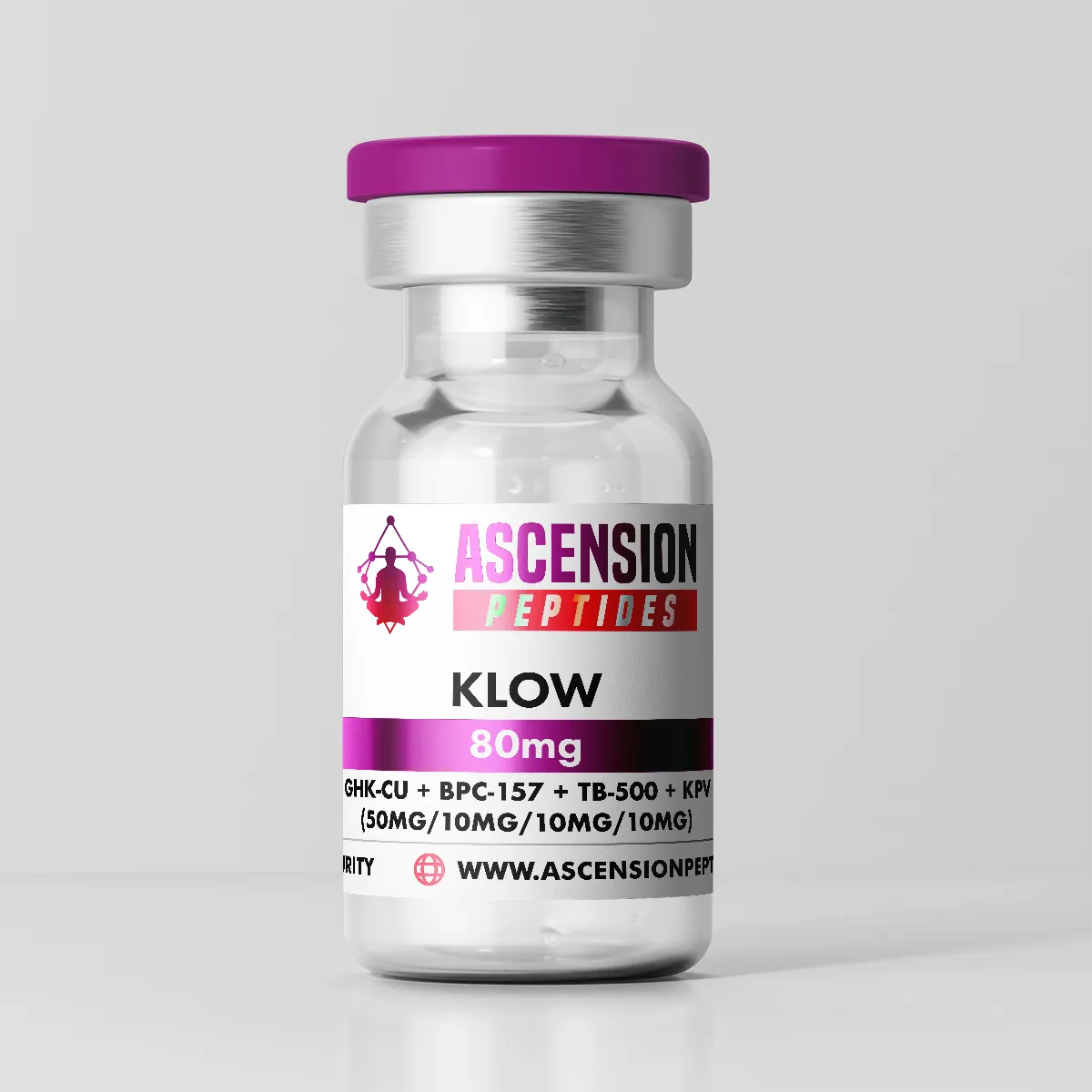
BPC-157 + TB-500
The classic combination—BPC-157 for growth factors and TB-500 for cell migration.
Add GHK-Cu
Supports collagen organization and remodeling during later healing phases.
GH Secretagogue Base
Ipamorelin or CJC-1295 for systemic growth hormone support.
For more on combining peptides, see our peptide stacking guide.
Supporting Peptide Research with Lifestyle Factors
Peptides don't work in isolation. Research suggests these factors may optimize outcomes:
- Progressive loading: Controlled mechanical stress stimulates tendon adaptation—complete rest may actually slow healing
- Collagen supplementation: Vitamin C combined with collagen peptides may support tendon collagen synthesis
- Sleep optimization: Growth hormone peaks during deep sleep, supporting tissue repair
- Anti-inflammatory balance: Avoid excessive NSAID use during healing, as some inflammation is necessary
- Protein intake: Adequate amino acids are essential building blocks for collagen synthesis
🔑 Key Takeaways
- BPC-157 has the most extensive research specifically for tendon and ligament repair
- TB-500 complements BPC-157 by promoting cell migration and reducing scarring
- GHK-Cu may support collagen organization during healing
- Growth hormone secretagogues provide foundational support for tissue repair
- Combining peptides may address multiple healing bottlenecks
- Lifestyle factors significantly impact healing outcomes
Frequently Asked Questions
The Bottom Line
Tendon and ligament injuries present unique healing challenges due to the nature of connective tissue. Peptides like BPC-157, TB-500, and GHK-Cu represent promising research tools that target multiple aspects of tissue repair—from blood vessel formation to collagen synthesis to cell migration.
BPC-157 stands out with the most extensive preclinical evidence specifically for tendon healing, showing consistent improvements in biomechanical properties and histological organization across numerous studies. TB-500 complements these effects through its focus on cell migration and anti-fibrotic activity.
However, it's essential to maintain perspective: most evidence comes from animal studies, and human clinical trials remain limited. These compounds are research tools, not approved treatments. Anyone considering peptide research should work with qualified healthcare professionals and understand the current limitations of the evidence.
For those exploring this area, our related guides on best peptides for healing, peptide reconstitution, and injection techniques provide additional context.