Intranasal peptide administration has gained significant attention in the research community as an alternative delivery method that may offer unique advantages for certain peptides. Unlike traditional subcutaneous injection, nasal delivery provides a non-invasive route that can bypass the blood-brain barrier for select compounds, making it particularly relevant for nootropic and neuroprotective peptide research.
This guide covers everything researchers need to know about nasal peptide delivery—from the science behind why it works to practical administration techniques and peptide-specific considerations.
🔑 Key Takeaways
- Nasal delivery offers non-invasive administration with rapid absorption for suitable peptides
- Some peptides can cross the blood-brain barrier more effectively via nasal route
- Not all peptides are appropriate for intranasal use—molecular size and stability matter
- Proper reconstitution and spray device selection are critical for consistent dosing
How Intranasal Peptide Delivery Works
The nasal cavity offers a unique pathway for drug delivery due to its rich blood supply, large surface area, and direct connection to the central nervous system via the olfactory and trigeminal nerve pathways.
Pathways of Nasal Absorption
Peptides administered intranasally can reach systemic circulation and potentially the brain through several mechanisms:
- Systemic absorption: The nasal mucosa contains extensive blood vessels that can absorb peptides directly into circulation, similar to sublingual delivery
- Olfactory pathway: The olfactory region at the top of the nasal cavity connects directly to the brain, potentially allowing peptides to bypass the blood-brain barrier
- Trigeminal pathway: The trigeminal nerve branches extend into the nasal cavity and may transport certain molecules to the brainstem
Factors Affecting Nasal Absorption
Several variables influence how effectively a peptide is absorbed nasally:
Molecular Size
Smaller peptides (under ~1000 Da) generally absorb better through nasal mucosa than larger ones.
Lipophilicity
Peptides with some lipophilic character may cross membranes more readily.
Formulation
Absorption enhancers, pH, and osmolality of the solution affect uptake.
Peptides Suitable for Nasal Administration
Not all peptides are appropriate for intranasal delivery. The following peptides have been specifically studied or formulated for nasal use:
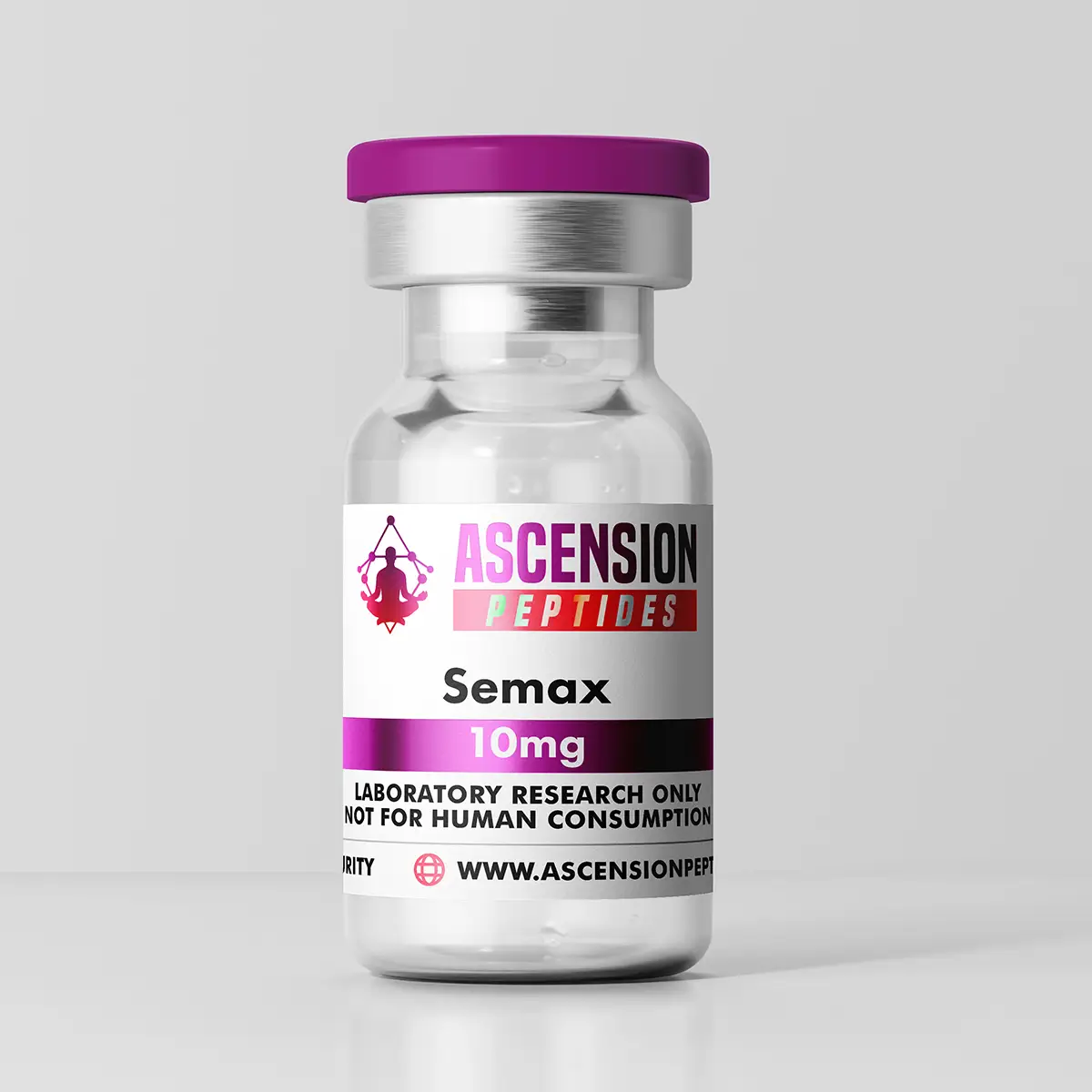
Semax
Semax is perhaps the most well-established nasally-administered peptide. This synthetic heptapeptide (7 amino acids) based on ACTH(4-10) was developed in Russia specifically as a nasal spray for nootropic and neuroprotective applications.
- Molecular weight: 813 Da—ideal size for nasal absorption
- Research doses: 200-600 mcg per day, typically divided into 2-3 administrations
- Formulation: Usually supplied as a 0.1% or 1% nasal solution
- Evidence: Extensive Russian clinical research on cognitive enhancement and stroke recovery
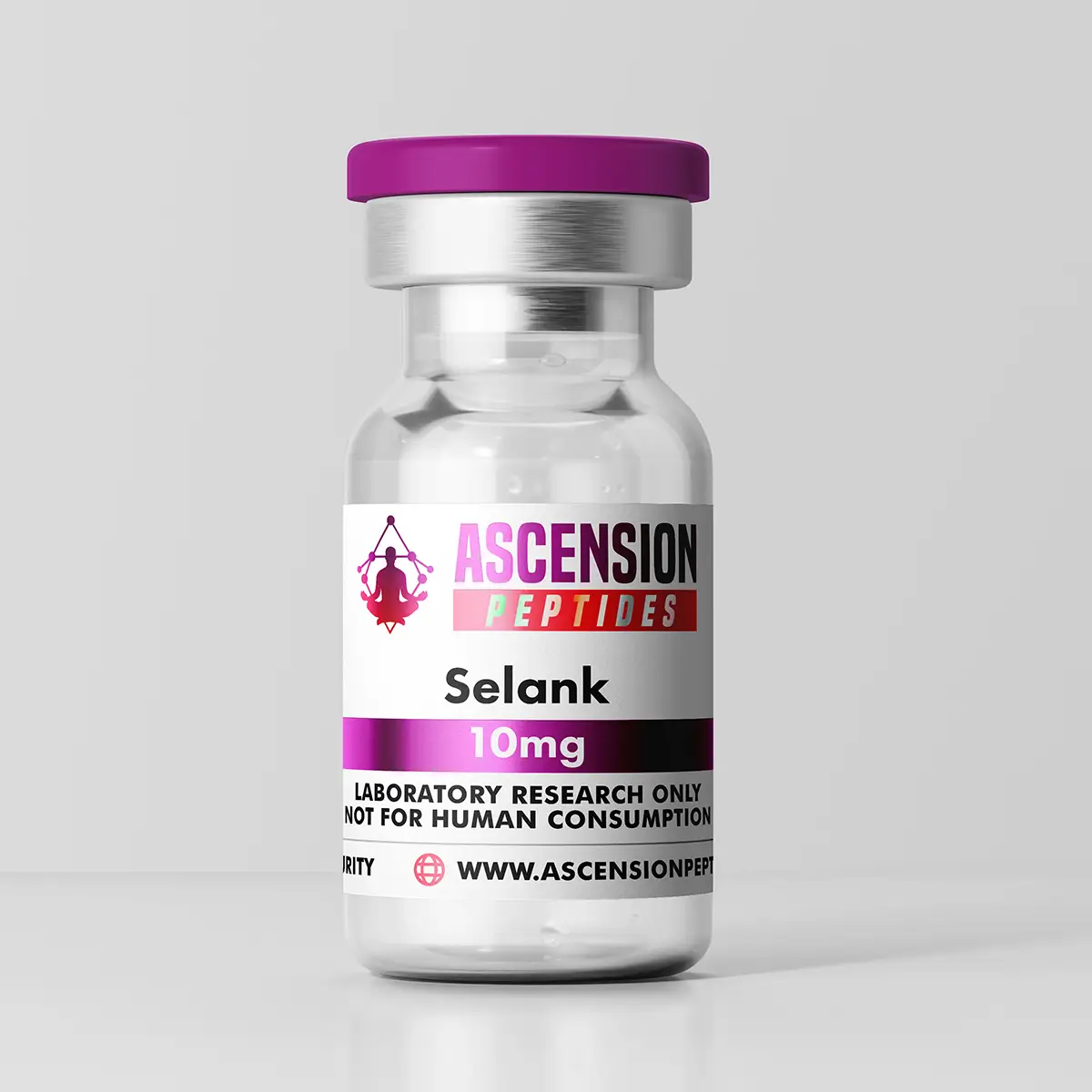
Selank
Selank is another Russian-developed heptapeptide designed for intranasal use, based on the immunomodulatory peptide tuftsin with an added Pro-Gly-Pro sequence for stability.
- Molecular weight: 751 Da
- Research doses: 250-750 mcg per day intranasally
- Applications: Anxiolytic research, cognitive function, immune modulation
- Stability: The Pro-Gly-Pro modification provides enhanced resistance to enzymatic degradation
Oxytocin
Oxytocin nasal spray is perhaps the most widely studied intranasal peptide in clinical research, with numerous human trials examining its effects on social behavior and bonding.
- Molecular weight: 1,007 Da
- Clinical research: Extensive human trials using 24-40 IU nasal spray
- Evidence for brain delivery: Multiple studies have demonstrated central effects following nasal administration
- FDA status: Syntocinon nasal spray was previously FDA-approved (discontinued)
Epithalon (Epitalon)
Epithalon is a tetrapeptide (4 amino acids) that some researchers administer nasally, though injectable routes remain more common in the research literature.
- Molecular weight: 390 Da—very small, potentially good nasal absorption
- Research focus: Telomerase activation and anti-aging research
- Considerations: Less established data on nasal bioavailability compared to Semax/Selank
BPC-157 Nasal
While BPC-157 is most commonly administered via injection, some researchers have explored nasal delivery, particularly for potential neuroprotective applications.
- Molecular weight: 1,419 Da—on the larger end for nasal absorption
- Stability: Known for exceptional stability, which may support nasal use
- Considerations: Less research specifically on intranasal BPC-157 compared to oral or injectable
How to Administer Nasal Peptides
Proper technique is essential for consistent dosing and optimal absorption when using intranasal peptide delivery.
Step-by-Step Administration
Clear Your Nasal Passages
Gently blow your nose to clear any mucus that could interfere with absorption. If congested, wait until passages are clearer.
Prime the Spray (If New)
If using a new nasal spray bottle, prime it by pumping until a fine mist appears. This ensures proper dosing from the first use.
Position Your Head
Tilt your head slightly forward (not back). Insert the nozzle into one nostril while gently closing the other with a finger.
Spray and Inhale
Press the pump while inhaling gently through the nose. Avoid sniffing too hard, which can pull the solution past the absorptive area.
Alternate Nostrils
If your protocol requires multiple sprays, alternate between nostrils. Wait a few seconds between sprays.
Pro Tip
Aim the spray toward the outer wall of your nostril (toward your ear), not straight up or toward the septum. This targets the most vascularized region of the nasal cavity.
Equipment Considerations
The delivery device matters significantly for intranasal peptides:
- Pre-filled nasal sprays: Products like Semax often come in ready-to-use nasal spray bottles with calibrated doses per pump
- Refillable nasal spray bottles: Empty nasal atomizer bottles (typically 10-30mL) can be filled with reconstituted peptide solution
- Spray volume: Most nasal sprays deliver 0.1mL (100 microliters) per pump—calculate your peptide concentration accordingly
- Atomization quality: A fine mist distributes better across the nasal mucosa than large droplets
Reconstitution for Nasal Use
If preparing a peptide for nasal administration from lyophilized powder, the process is similar to preparing for injection but with some specific considerations.
Choosing Your Diluent
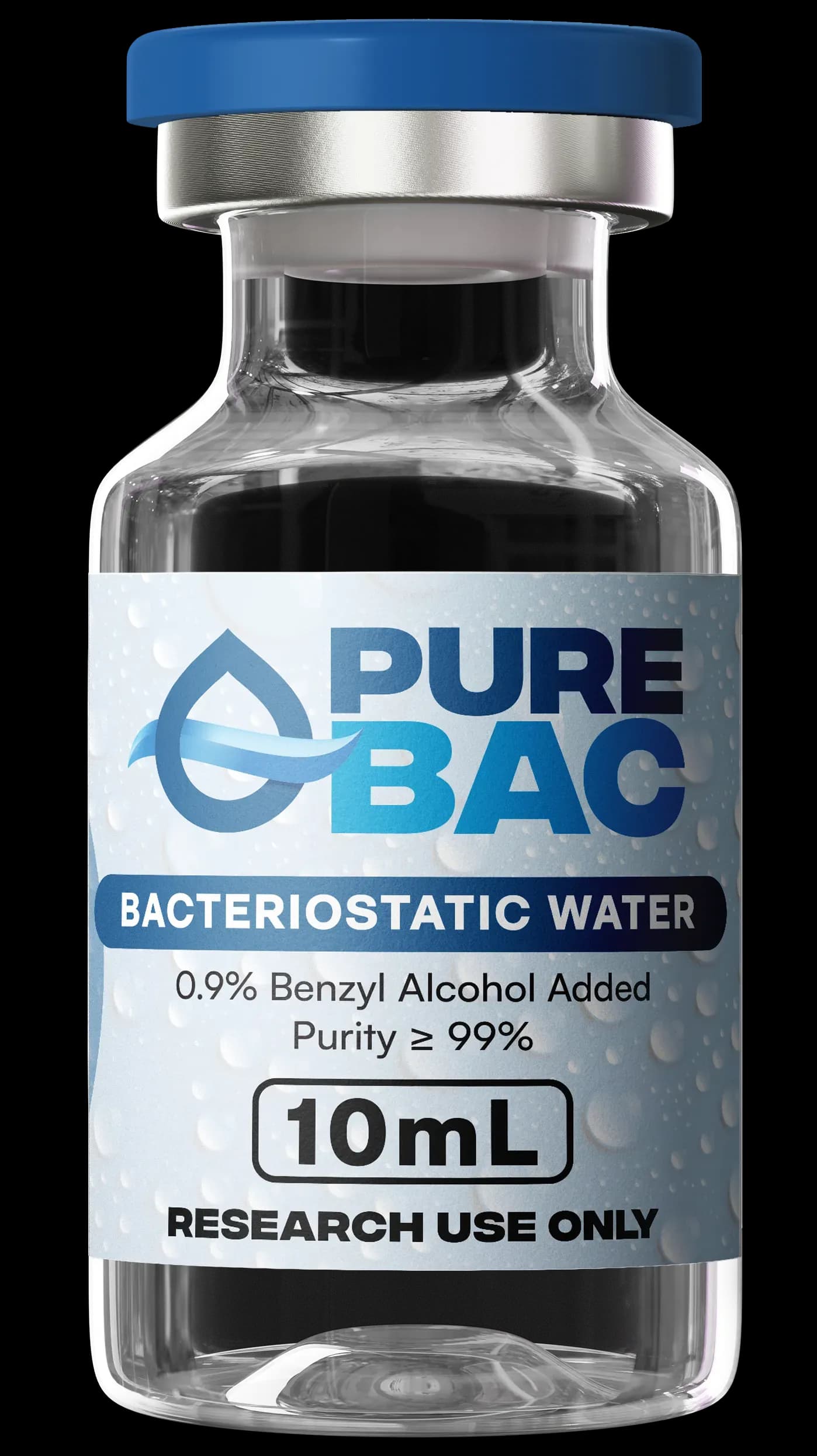
- Bacteriostatic water: Standard choice, though the benzyl alcohol preservative may cause mild nasal irritation for some
- Sterile saline (0.9% NaCl): Often preferred for nasal use as it's isotonic with nasal secretions and may be less irritating
- Preservative-free sterile water: An option but must be used quickly as it lacks antimicrobial protection
Calculating Concentration
When preparing nasal peptide solutions, you'll need to calculate the concentration based on your desired dose per spray:
If your nasal sprayer delivers 0.1mL per pump and you want 200mcg per spray:
• Target concentration: 200mcg per 0.1mL = 2mg/mL (2000mcg/mL)
• For a 5mg peptide vial: Add 2.5mL of diluent
• Result: 5mg ÷ 2.5mL = 2mg/mL
Transfer and Storage
- Use a sterile syringe to transfer the reconstituted solution to your nasal spray bottle
- Store the prepared nasal spray refrigerated (2-8°C / 36-46°F)
- Most reconstituted peptide nasal sprays should be used within 2-4 weeks
- Never share nasal spray bottles to avoid contamination
Nasal vs. Injectable: How Do They Compare?
Understanding the trade-offs between nasal and injectable peptide administration helps researchers choose the appropriate route for their work.
Important Considerations and Limitations
When Nasal Administration May Not Be Ideal
- Large peptides: Peptides over ~1,500 Da have significantly reduced nasal absorption
- Nasal congestion: Colds, allergies, or chronic rhinitis can dramatically reduce absorption
- Precise dosing requirements: When exact systemic doses are critical, injection provides better control
- Limited research: For peptides without established nasal delivery data, injectable routes have more supporting evidence
Potential Issues
- Local irritation: Some users report nasal dryness or mild irritation with frequent use
- Taste: Drainage into the throat may produce a bitter taste (common with many peptides)
- Variable absorption: Mucus production, technique, and individual anatomy affect how much is absorbed
- Stability concerns: Not all peptides remain stable in aqueous solution at room temperature during use
Frequently Asked Questions
Conclusion
Intranasal peptide administration offers a compelling non-invasive option for appropriate compounds. For peptides specifically designed for nasal delivery—like Semax and Selank—or those with established intranasal research—like oxytocin—this route can provide rapid absorption with potential direct brain access that bypasses the blood-brain barrier.
However, nasal delivery isn't suitable for all peptides. Molecular size limitations, variable bioavailability, and less extensive research for many compounds mean that subcutaneous injection remains the gold standard for most peptide administration. Researchers should evaluate the available evidence for their specific peptide of interest before choosing an administration route.
For those exploring nasal peptide delivery, proper technique, appropriate equipment, and correct reconstitution calculations are essential for consistent results. Starting with well-established nasally-administered peptides provides the most reliable foundation for this approach to peptide research.