Chronic inflammation is at the root of nearly every major health concern—from joint pain and autoimmune conditions to cardiovascular disease and neurodegeneration. While conventional anti-inflammatory drugs like NSAIDs and corticosteroids remain the standard of care, they come with well-documented side effects that limit long-term use. This has fueled growing research interest in anti-inflammatory peptides—short-chain amino acid sequences that can modulate inflammatory pathways with potentially greater precision and fewer side effects.
Unlike broad-spectrum anti-inflammatories that suppress the entire inflammatory response, many peptides work by selectively targeting specific inflammatory mediators—downregulating pro-inflammatory cytokines like TNF-α, IL-6, and IL-1β while preserving the immune system's ability to fight infection and heal tissue. This selectivity is what makes them particularly interesting to researchers studying conditions where chronic, dysregulated inflammation is the core problem.
In this guide, we break down the best peptides for inflammation based on current research, covering how each one works, what the evidence shows, and which inflammatory conditions they've been studied for.
🔑 Key Takeaways
- Anti-inflammatory peptides target specific pathways rather than broadly suppressing all immune responses
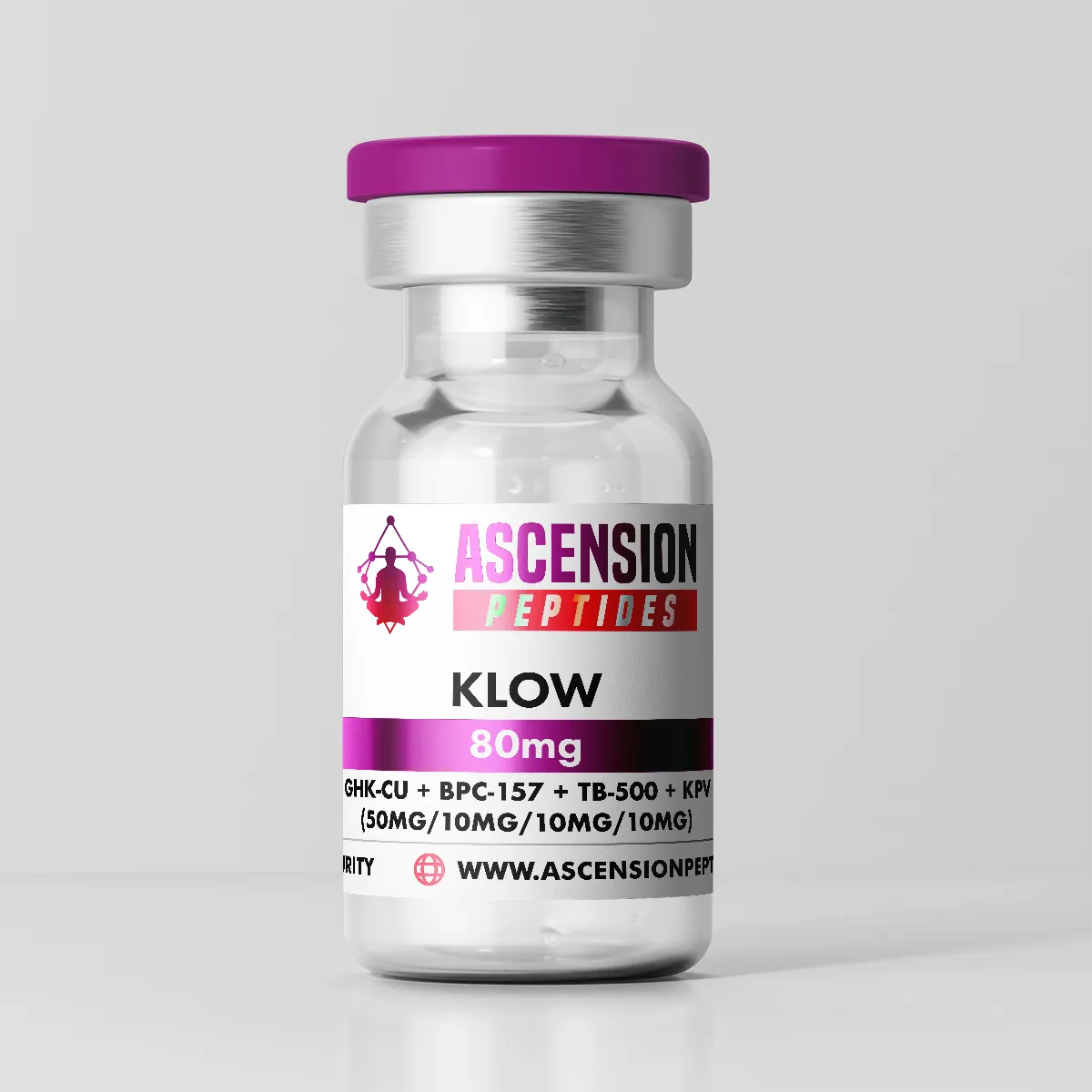
- BPC-157, KPV, and TB-500 are among the most researched anti-inflammatory peptides
- Different peptides excel for different types of inflammation (gut, joint, neurological, systemic)
- Most evidence comes from preclinical (animal) studies—human clinical trials are limited
- Peptides may complement but should never replace prescribed anti-inflammatory treatments
1. BPC-157 — The Multi-System Anti-Inflammatory
BPC-157 (Body Protection Compound-157) is arguably the most versatile anti-inflammatory peptide in current research. Derived from a protective protein found naturally in human gastric juice, this 15-amino acid peptide has demonstrated anti-inflammatory effects across an unusually broad range of tissue types.
How BPC-157 Reduces Inflammation
BPC-157's anti-inflammatory mechanisms work through multiple pathways simultaneously:
- Nitric oxide (NO) system modulation — BPC-157 uniquely restores NO homeostasis, counteracting both excessive and insufficient NO signaling. Since NO dysregulation drives inflammation in many conditions, this bidirectional modulation is key to its anti-inflammatory effects.
- Cytokine regulation — Animal studies show BPC-157 reduces levels of pro-inflammatory cytokines including TNF-α and IL-6 while supporting anti-inflammatory mediators.
- Growth factor upregulation — By increasing expression of VEGF, EGF, and FGF, BPC-157 shifts tissue from an inflammatory state toward active repair and regeneration.
- NSAID damage counteraction — Notably, BPC-157 has been shown to reverse gastrointestinal damage caused by NSAIDs in animal models, addressing one of the biggest limitations of conventional anti-inflammatory drugs.
Best For
Joint & Tendon Inflammation
Reduces inflammatory markers while accelerating connective tissue repair in preclinical models.
Gut Inflammation
Demonstrates potent anti-inflammatory activity in IBD, colitis, and NSAID-induced gut damage models.
Neuroinflammation
Neuroprotective effects observed in traumatic brain injury and neurotoxicity models.
2. KPV — The Targeted Gut Anti-Inflammatory
KPV is a tripeptide (Lys-Pro-Val) derived from the C-terminal end of alpha-melanocyte-stimulating hormone (α-MSH). Despite being just three amino acids long, KPV packs a remarkable anti-inflammatory punch, particularly for gastrointestinal inflammation.
How KPV Reduces Inflammation
- NF-κB pathway inhibition — KPV directly inhibits the NF-κB signaling pathway, one of the master regulators of inflammatory gene expression. By entering cells and blocking NF-κB activation in the nucleus, KPV shuts down the transcription of dozens of pro-inflammatory genes simultaneously.
- Inflammatory cytokine suppression — Studies demonstrate KPV significantly reduces TNF-α, IL-1β, IL-6, and other key inflammatory mediators in both cell culture and animal models.
- Intestinal epithelial protection — KPV preserves gut barrier integrity during inflammatory challenges, potentially preventing the "leaky gut" phenomenon that amplifies systemic inflammation.
- Immune cell modulation — The peptide reduces inflammatory activation of macrophages and dendritic cells without completely suppressing their antimicrobial functions.
Research Highlights
A pivotal study published in PLoS ONE demonstrated that KPV significantly reduced colonic inflammation in a mouse model of colitis when administered orally via nanoparticle delivery. The peptide reduced inflammatory scores, decreased tissue damage, and lowered inflammatory cytokine levels in the colon. Importantly, KPV showed these effects at very low doses, consistent with its high potency relative to its small size.
Additional research has shown KPV's anti-inflammatory activity extends beyond the gut. Studies in dermal inflammation models show it reduces skin inflammatory markers, suggesting potential applications in inflammatory skin conditions like eczema and psoriasis.
Why KPV Stands Out
KPV's small size (just 3 amino acids) gives it advantages in formulation and delivery. Unlike larger peptides, KPV can potentially be delivered orally, topically, or even incorporated into nanoparticle systems for targeted delivery to inflamed tissues. Its direct NF-κB inhibition also gives it a clearly defined and potent mechanism of action.
3. TB-500 (Thymosin Beta-4) — The Tissue Repair Anti-Inflammatory
TB-500 is a synthetic version of Thymosin Beta-4, a 43-amino acid peptide naturally produced in the thymus gland and found in high concentrations at wound sites. While often associated with tissue repair, TB-500's anti-inflammatory properties are integral to its healing effects.
How TB-500 Reduces Inflammation
- Actin sequestration — TB-500 binds to G-actin, promoting cell migration to injury sites while reducing inflammatory adhesion molecule expression that would otherwise recruit excessive immune cells.
- Macrophage phenotype shifting — Research suggests TB-500 promotes the transition of macrophages from the pro-inflammatory M1 phenotype to the anti-inflammatory, pro-repair M2 phenotype.
- Anti-fibrotic activity — By reducing excessive inflammatory signaling during wound healing, TB-500 decreases pathological fibrosis (scar tissue formation), which is itself driven by chronic inflammation.
- Inflammatory mediator reduction — Animal studies show reduced levels of inflammatory markers including IL-1β, IL-6, and oxidative stress markers in TB-500-treated tissues.
Best For
TB-500 is particularly studied for inflammatory conditions involving tissue damage: cardiac inflammation following heart injury, corneal inflammation, dermal wound inflammation, and musculoskeletal inflammation. Its ability to simultaneously reduce inflammation and promote repair makes it especially relevant for conditions where chronic inflammation impairs healing.
4. GHK-Cu — The Anti-Aging Anti-Inflammatory
GHK-Cu (Glycyl-L-Histidyl-L-Lysine Copper Complex) is a naturally occurring tripeptide-copper complex that declines with age. Originally studied for wound healing and skin regeneration, GHK-Cu has emerged as a potent modulator of inflammatory gene expression.
How GHK-Cu Reduces Inflammation
- Gene expression reprogramming — Broad Connectivity Map analysis revealed that GHK-Cu modulates the expression of over 4,000 human genes, with a strong pattern of suppressing inflammatory and tissue-destructive genes while upregulating repair genes.
- NFκB suppression — GHK-Cu reduces NF-κB-mediated inflammatory signaling, decreasing expression of pro-inflammatory cytokines IL-6 and TNF-α.
- Antioxidant activity — The copper complex provides potent antioxidant effects, reducing reactive oxygen species (ROS) that drive oxidative inflammation and tissue damage.
- TGF-β modulation — GHK-Cu modulates TGF-β signaling, which plays dual roles in inflammation and tissue remodeling, helping to resolve chronic inflammatory states.
Research Highlights
A landmark gene expression study demonstrated that GHK-Cu suppresses genes associated with several inflammatory and degenerative conditions, including genes linked to chronic obstructive pulmonary disease (COPD), metastatic colon cancer, and aggressive prostate cancer. The peptide's ability to shift gene expression patterns from disease-associated profiles toward healthier profiles suggests broad anti-inflammatory and tissue-protective potential.
In skin research, GHK-Cu has been shown to reduce inflammatory damage from UV radiation, decrease expression of metalloproteinases (enzymes that break down tissue during inflammation), and accelerate wound healing in both animal models and limited human studies.
5. ARA-290 — The Inflammation-Resolution Peptide
ARA-290 is an 11-amino acid peptide derived from erythropoietin (EPO) that selectively activates the innate repair receptor (IRR) without stimulating red blood cell production. This makes it uniquely positioned as an anti-inflammatory peptide that promotes inflammation resolution—the active biological process by which inflammation is turned off.
How ARA-290 Reduces Inflammation
- Innate repair receptor activation — ARA-290 activates the IRR (a heterodimer of EPO receptor and β-common receptor), triggering anti-inflammatory and tissue-protective signaling cascades.
- Inflammatory monocyte reprogramming — The peptide shifts monocytes from inflammatory to anti-inflammatory phenotypes, actively resolving ongoing inflammation.
- Neuroprotection — ARA-290 reduces neuroinflammation, protecting neurons from inflammatory damage in both central and peripheral nervous system models.
- Metabolic inflammation — Research demonstrates effects on inflammation associated with metabolic syndrome and type 2 diabetes, conditions driven by chronic low-grade inflammation.
6. Selank — The Neuroinflammation Modulator
Selank is a synthetic analog of the naturally occurring immunomodulatory peptide tuftsin. Developed at the Russian Academy of Sciences, Selank has been primarily studied for its anxiolytic (anti-anxiety) and nootropic effects, but its anti-inflammatory properties—particularly in the brain—are increasingly recognized.
How Selank Reduces Inflammation
- Cytokine balance restoration — Selank modulates the balance between pro-inflammatory (Th1) and anti-inflammatory (Th2) immune responses, helping to normalize immune function rather than simply suppressing it.
- IL-6 reduction — Studies show Selank significantly reduces elevated IL-6 levels, a key driver of both systemic and neuroinflammation.
- Enkephalinase inhibition — By inhibiting enzymes that break down enkephalins (natural pain-relieving peptides), Selank indirectly reduces pain-associated inflammation.
- Gene expression modulation — Transcriptomic studies reveal Selank modulates expression of 45+ genes related to immune and inflammatory function in the hippocampus.
Best For
Selank is particularly relevant for neuroinflammation—the type of chronic brain inflammation linked to anxiety, depression, cognitive decline, and neurodegenerative conditions. Its dual anxiolytic and anti-inflammatory effects make it especially interesting for conditions where psychological stress and inflammation form a vicious cycle.

7. PACAP-38 — The Neuroprotective Anti-Inflammatory
PACAP-38 (Pituitary Adenylate Cyclase-Activating Polypeptide) is a 38-amino acid neuropeptide with potent anti-inflammatory activity in both the central and peripheral nervous systems. Naturally produced in the brain, gut, and immune cells, PACAP-38 acts as an endogenous anti-inflammatory mediator.
How PACAP-38 Reduces Inflammation
- cAMP-mediated immune suppression — PACAP-38 activates PAC1 and VPAC receptors, increasing intracellular cAMP levels which broadly suppress inflammatory gene expression in immune cells.
- Microglial modulation — In the brain, PACAP-38 shifts microglia (the brain's immune cells) from neurotoxic to neuroprotective states, reducing neuroinflammatory damage.
- T-cell regulation — The peptide promotes regulatory T-cell (Treg) development while suppressing pro-inflammatory Th1 and Th17 responses, helping to prevent autoimmune-type inflammation.
- Macrophage reprogramming — Similar to TB-500, PACAP-38 promotes M2 (anti-inflammatory) macrophage polarization in peripheral tissues.
8. LL-37 — The Innate Immune Anti-Inflammatory
LL-37 is the only human cathelicidin antimicrobial peptide—a 37-amino acid molecule produced by immune cells, epithelial cells, and other tissues as part of the innate immune defense. While primarily known for its antimicrobial properties, LL-37 has complex immunomodulatory effects that include significant anti-inflammatory activity.
How LL-37 Modulates Inflammation
- LPS neutralization — LL-37 binds directly to lipopolysaccharide (LPS), the bacterial endotoxin that triggers severe inflammatory responses through TLR4 activation. By sequestering LPS, LL-37 prevents excessive inflammation during infection.
- Chemokine modulation — The peptide modulates the production and activity of chemokines, fine-tuning immune cell recruitment to balance pathogen clearance with inflammatory damage control.
- Apoptotic cell clearance — LL-37 promotes efferocytosis (the removal of dead cells by macrophages), which is essential for inflammation resolution. Failed efferocytosis leads to prolonged inflammation and tissue damage.
- Wound healing promotion — Through multiple mechanisms including angiogenesis and keratinocyte migration, LL-37 supports tissue repair while controlling wound-associated inflammation.
Research Context
LL-37 is unique among anti-inflammatory peptides because it can be both pro-inflammatory and anti-inflammatory depending on context. At infection sites, it enhances immune responses to clear pathogens. In sterile inflammatory conditions, it tends to dampen excessive inflammation. This context-dependent activity makes it a sophisticated immune modulator rather than a simple anti-inflammatory.
Comparing Anti-Inflammatory Peptides by Application
Different inflammatory conditions call for different approaches. Here's how these peptides map to specific types of inflammation based on current research:
⭐ = Some evidence | ⭐⭐ = Moderate evidence | ⭐⭐⭐ = Strong preclinical evidence
How Peptides Fight Inflammation: Key Mechanisms
Understanding the common mechanisms helps explain why peptides are increasingly studied as anti-inflammatory agents:
1. NF-κB Pathway Inhibition
NF-κB is the "master switch" for inflammatory gene expression. When activated, it turns on production of dozens of inflammatory mediators simultaneously. Several anti-inflammatory peptides (KPV, GHK-Cu, PACAP-38) directly or indirectly inhibit NF-κB, providing broad anti-inflammatory effects from a single molecular target.
2. Macrophage Polarization
Macrophages exist on a spectrum from pro-inflammatory (M1) to anti-inflammatory/pro-repair (M2). Chronic inflammation is often characterized by excessive M1 activity. Peptides like TB-500, PACAP-38, and ARA-290 promote the shift toward M2 phenotypes, actively resolving inflammation rather than just suppressing it.
3. Cytokine Balance Restoration
Rather than blocking individual cytokines (the approach of monoclonal antibody drugs like adalimumab or infliximab), anti-inflammatory peptides tend to restore overall cytokine balance. This means reducing excessive TNF-α, IL-6, and IL-1β while preserving or enhancing anti-inflammatory cytokines like IL-10 and IL-4.
4. Nitric Oxide System Modulation
BPC-157's unique ability to modulate the NO system in both directions (counteracting both excessive and insufficient NO) represents a homeostatic approach to inflammation that differs fundamentally from drugs that simply inhibit or enhance a single pathway.
Peptides vs. Traditional Anti-Inflammatories
How do anti-inflammatory peptides compare to conventional options?
Frequently Asked Questions
The Bottom Line
Anti-inflammatory peptides represent a genuinely exciting frontier in inflammation research. Their ability to selectively modulate inflammatory pathways—rather than broadly suppressing immune function—addresses a fundamental limitation of conventional anti-inflammatory drugs. The diversity of mechanisms across different peptides (NF-κB inhibition, macrophage polarization, NO modulation, cytokine rebalancing) offers multiple potential approaches to different types of inflammatory conditions.
That said, intellectual honesty demands acknowledging where the science currently stands: the vast majority of evidence comes from animal studies. While the preclinical data is extensive and often compelling—particularly for BPC-157, TB-500, and KPV—the leap from rat models to human clinical practice is significant. Only ARA-290 has progressed to meaningful human clinical trials among the peptides discussed here.
For anyone dealing with chronic inflammation, the current standard of care—working with a qualified healthcare provider and using evidence-based treatments—remains the appropriate path. Anti-inflammatory peptides are worth watching as the research develops, and they may well become important clinical tools in the future. But that future depends on rigorous human clinical trials that have yet to be completed for most of these compounds.
🔑 Summary: Best Anti-Inflammatory Peptides by Category
- Most versatile: BPC-157 (multi-system, strongest overall evidence base)
- Best for gut: KPV and BPC-157 (direct intestinal anti-inflammatory action)
- Best for joints: BPC-157 and TB-500 (anti-inflammatory + tissue repair)
- Best for brain: Selank, PACAP-38, and ARA-290 (neuroinflammation-specific)
- Best for skin: GHK-Cu, LL-37, and KPV (topical anti-inflammatory + repair)
- Closest to clinical use: ARA-290 (Phase 2 human clinical trials completed)