sciencePeptideDeck
PeptidesBlogAbout
search
Database Access
Home/Blog/Comparisons/Sermorelin vs Tesamorelin: Comparing GHRH Analogs for Growth Hormone Optimization
Comparisons

Sermorelin vs Tesamorelin: Comparing GHRH Analogs for Growth Hormone Optimization

A comprehensive comparison of Sermorelin and Tesamorelin—two FDA-studied GHRH analogs with distinct mechanisms, research profiles, and potential applications in growth hormone optimization.

February 8, 2026
12 min read
Sermorelin vs Tesamorelin: Comparing GHRH Analogs for Growth Hormone Optimization

When exploring growth hormone releasing hormone (GHRH) analogs, two names dominate the research landscape: Sermorelin and Tesamorelin. Both stimulate the pituitary gland to release growth hormone, but they differ significantly in their structure, research applications, and regulatory status. Understanding these differences is essential for researchers and individuals interested in GH optimization.

This comprehensive comparison breaks down everything you need to know about these two GHRH analogs—from their molecular mechanisms to their distinct research profiles.

🔑 Key Takeaways

  • Sermorelin is a 29-amino acid fragment of natural GHRH; Tesamorelin is a 44-amino acid modified GHRH with a trans-3-hexenoic acid group
  • Tesamorelin is FDA-approved for HIV-associated lipodystrophy; Sermorelin was previously FDA-approved but discontinued commercially
  • Tesamorelin shows stronger GH release per dose due to its enhanced stability and potency
  • Both work by stimulating natural pulsatile GH release rather than providing exogenous GH
  • Research suggests Tesamorelin may offer superior fat reduction effects, particularly visceral fat
Understanding the Basics

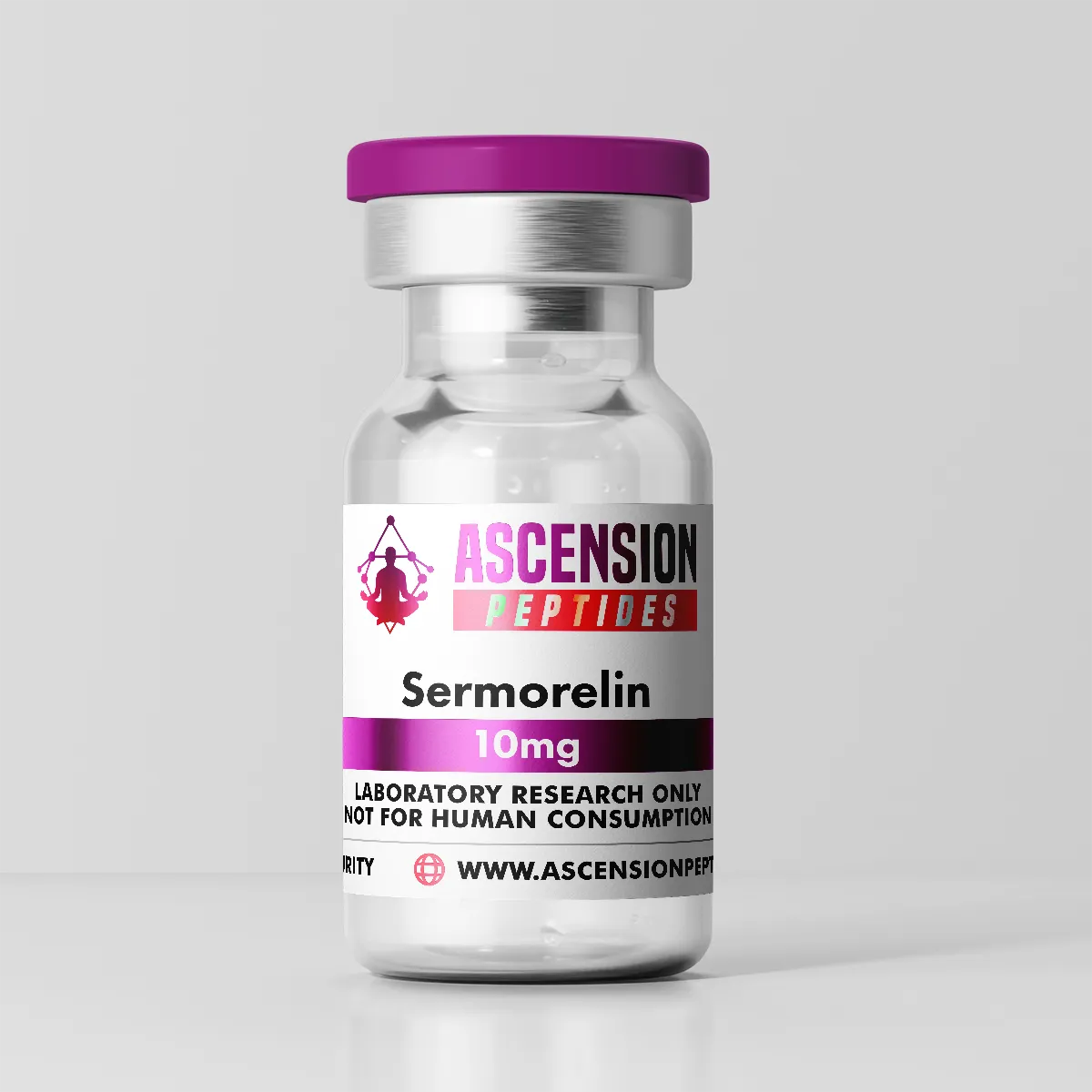
What Is Sermorelin?

Sermorelin (also known as GRF 1-29) is a truncated analog of human growth hormone releasing hormone (GHRH). It consists of the first 29 amino acids of the 44-amino acid native GHRH sequence—the minimum fragment needed to retain full biological activity at the GHRH receptor.

Developed in the 1980s, Sermorelin was FDA-approved for diagnosing and treating growth hormone deficiency in children. Though the commercial product (Geref) was discontinued in 2008 due to manufacturing issues (not safety concerns), Sermorelin remains available through compounding pharmacies and continues to be widely studied.

29 Amino Acids
10-20 min Half-Life
3,358 Da Molecular Weight

Explore Premium Research Peptides

Discover high-quality peptides from our trusted research partner.

Apollo Peptides

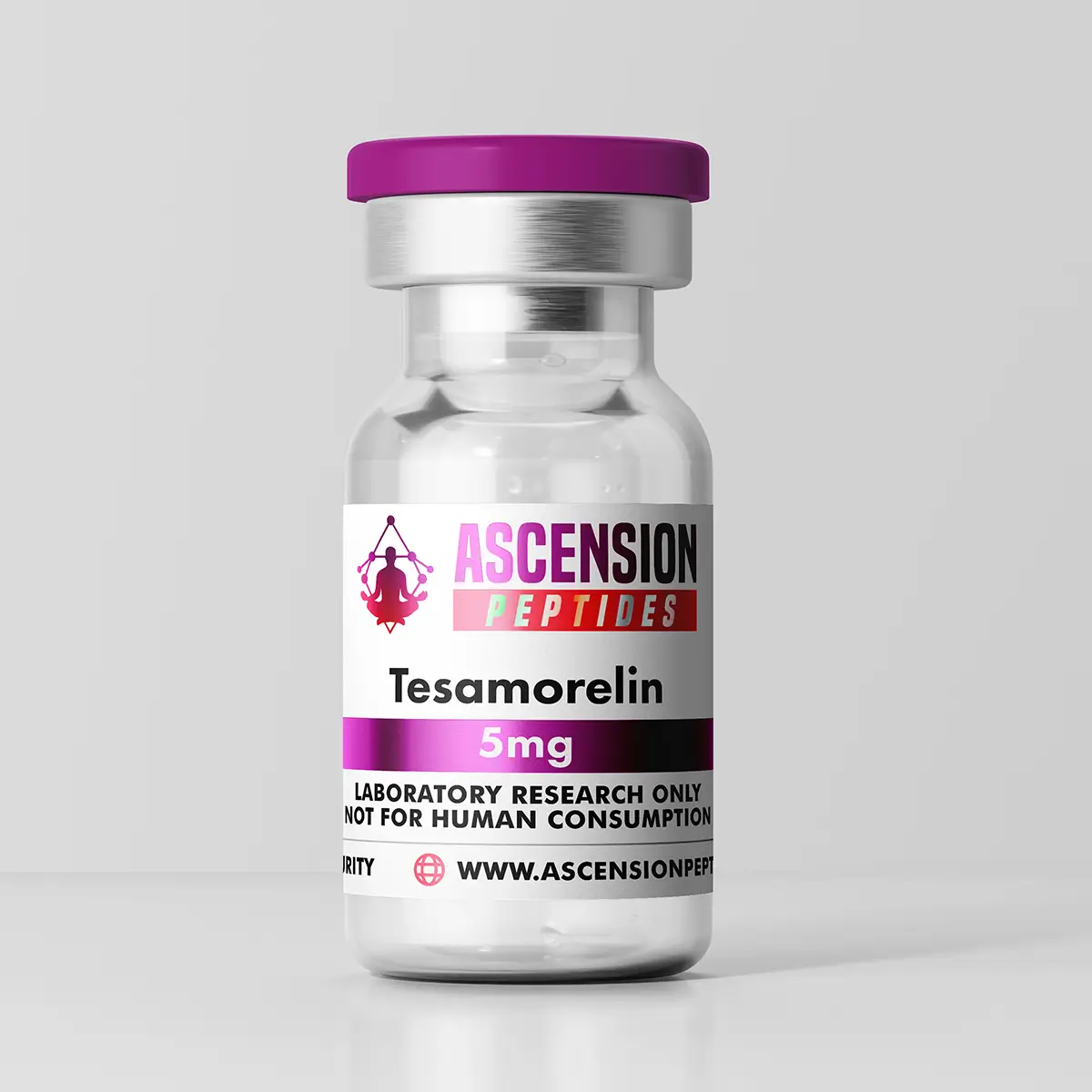
What Is Tesamorelin?

Tesamorelin (brand name Egrifta) is a modified synthetic GHRH analog containing all 44 amino acids of human GHRH, plus a trans-3-hexenoic acid group attached to the tyrosine at position 1. This modification significantly enhances the peptide's stability and extends its duration of action.

The FDA approved Tesamorelin in 2010 specifically for treating excess abdominal fat (lipodystrophy) in HIV-infected patients on antiretroviral therapy. This targeted approval means it has undergone rigorous clinical trials documenting both efficacy and safety in specific populations.

44 Amino Acids (+modification)
26-38 min Half-Life
5,136 Da Molecular Weight
Head-to-Head Comparison

Sermorelin vs Tesamorelin: Key Differences

Factor Sermorelin Tesamorelin
Structure GHRH fragment (1-29) Full GHRH (1-44) + hexenoic acid
FDA Status Previously approved (discontinued) Currently FDA-approved (Egrifta)
Half-Life 10-20 minutes 26-38 minutes
GH Release Potency Moderate Higher (enhanced stability)
Primary Research Focus GH deficiency, anti-aging Visceral fat reduction, lipodystrophy
Clinical Trial Data Extensive (older studies) Extensive (recent Phase 3 trials)
Typical Research Dose 100-300 mcg/day 1-2 mg/day
Cost Lower (compounded) Higher (FDA-approved)

Mechanism of Action: How They Work

Both Sermorelin and Tesamorelin work by the same fundamental mechanism—binding to GHRH receptors on somatotroph cells in the anterior pituitary gland. This binding triggers a cascade that results in the synthesis and release of endogenous growth hormone.

ℹ️ Why GHRH Analogs Differ from Direct GH: Unlike exogenous growth hormone (HGH) which bypasses natural regulation, GHRH analogs stimulate your body's own GH production. This maintains the pulsatile release pattern, feedback mechanisms, and helps avoid the supraphysiological spikes associated with direct GH administration.

The key difference lies in their pharmacokinetics:

  • Sermorelin has a shorter half-life (10-20 minutes) due to rapid enzymatic degradation. It requires the pituitary to respond quickly to the stimulus.
  • Tesamorelin has the trans-3-hexenoic acid modification that protects against enzymatic breakdown, extending its half-life to 26-38 minutes. This allows for prolonged receptor stimulation and potentially greater GH release per dose.

Studies comparing equimolar doses show Tesamorelin produces greater peak GH concentrations and a larger area under the curve (AUC) for GH release, suggesting higher bioactivity.

Research Applications

Sermorelin Research Profile

Sermorelin has been studied extensively since the 1980s for:

📊

GH Deficiency Diagnosis

Originally approved as a diagnostic tool to assess pituitary GH secretion capacity in children.

👶

Pediatric Growth

Research in GH-deficient children showed improved growth velocity with Sermorelin treatment.

⏳

Age-Related Decline

Studies in older adults demonstrated restoration of more youthful GH pulsatility patterns.

😴

Sleep Quality

Research links improved slow-wave sleep with nighttime Sermorelin administration.

A notable study published in the Journal of Clinical Endocrinology & Metabolism showed that Sermorelin administration in healthy older adults increased 24-hour GH secretion and improved body composition markers over 16 weeks.

Tesamorelin Research Profile

Tesamorelin's research focuses heavily on metabolic outcomes:

🔥

Visceral Fat Reduction

Phase 3 trials demonstrated significant reductions in trunk fat (-15-18%) in HIV lipodystrophy patients.

🧠

Cognitive Function

Studies in HIV patients and those at risk for Alzheimer's show improved cognitive markers.

🫀

Cardiovascular Markers

Research indicates improvements in triglycerides and markers of cardiovascular inflammation.

🧪

Liver Health

Studies in NAFLD (non-alcoholic fatty liver disease) show promise for reducing liver fat.

The landmark TESOMET trial and subsequent Phase 3 studies provided robust data on Tesamorelin's fat-reducing effects, leading to its FDA approval. More recent research has expanded into cognitive health, with studies examining its potential in conditions involving GH/IGF-1 axis dysfunction.

✓ Research Highlight: A 2019 study in the Journal of Clinical Endocrinology & Metabolism found Tesamorelin reduced liver fat by 32% in non-HIV patients with NAFLD, suggesting potential applications beyond its current FDA indication.
Practical Considerations

When Might Researchers Choose Sermorelin?

Explore Premium Research Peptides

Discover high-quality peptides from our trusted research partner.

Apollo Peptides
  • Cost sensitivity: Compounded Sermorelin is significantly less expensive than FDA-approved Tesamorelin
  • General GH optimization research: Where the specific visceral fat focus isn't the primary endpoint
  • Sleep and recovery studies: Sermorelin's shorter action may be preferred for bedtime dosing protocols
  • Combination protocols: Often paired with Ipamorelin or CJC-1295 for synergistic effects

When Might Researchers Choose Tesamorelin?

  • Visceral fat reduction research: Superior clinical evidence for trunk fat reduction
  • Metabolic syndrome studies: Better data on cardiovascular and metabolic markers
  • Cognitive research: Emerging data on neuroprotective effects
  • Need for pharmaceutical-grade product: FDA-approved means standardized quality
  • Clinical trials: Regulatory approval simplifies trial design

Pro Tip

Both peptides work best when administered on an empty stomach (fasting state) and at times that align with natural GH secretion patterns—typically before bed or first thing in the morning. Food intake, especially carbohydrates, can blunt the GH response.

Stacking Considerations

While Sermorelin and Tesamorelin aren't typically stacked together (as they target the same receptor), each can be combined with other peptides:

Sermorelin + Ipamorelin: This is one of the most popular research stacks. Ipamorelin is a growth hormone secretagogue (GHS) that works via the ghrelin receptor, creating synergy when combined with the GHRH-receptor-targeting Sermorelin. Studies show the combination produces greater GH release than either peptide alone.

Sermorelin or Tesamorelin + CJC-1295: CJC-1295 is a GHRH analog with a Drug Affinity Complex (DAC) that dramatically extends half-life. Some researchers combine short-acting Sermorelin with longer-acting CJC-1295 to create sustained elevation with pulsatile peaks.

⚠️ Note: Combining multiple GHRH analogs (like Sermorelin + Tesamorelin) is generally not recommended as they compete for the same receptor binding sites and may not provide additive benefits.
Side Effects & Safety

Side Effect Comparison

Both peptides share similar side effect profiles typical of GH-elevating compounds:

Side Effect Sermorelin Tesamorelin
Injection site reactions Common (redness, swelling) Common (redness, swelling)
Headache Occasional Occasional
Flushing Occasional Occasional
Nausea Rare Occasional
Fluid retention Possible (GH effect) Possible (GH effect)
Joint pain Rare Rare
Increased IGF-1 Expected effect Expected effect
⚠️ Important Considerations:
  • GHRH analogs should be used with caution in individuals with active malignancies due to GH's potential growth-promoting effects
  • Both can increase IGF-1 levels, which should be monitored in research settings
  • Diabetic individuals require monitoring as GH can affect glucose metabolism
  • Pregnant or breastfeeding individuals should not use these peptides

Frequently Asked Questions

Which is more effective for fat loss—Sermorelin or Tesamorelin?
Based on clinical trial data, Tesamorelin has stronger evidence for fat reduction, particularly visceral (trunk) fat. Phase 3 trials showed 15-18% reductions in trunk fat in HIV lipodystrophy patients. While Sermorelin may also support body composition improvements through GH elevation, it lacks the same level of clinical evidence specifically for fat loss outcomes.
Can Sermorelin and Tesamorelin be used together?
This combination is generally not recommended. Both peptides bind to the same GHRH receptor on pituitary cells, so using them together would likely result in receptor competition rather than synergistic effects. A more effective approach is combining either one with a different class of secretagogue, such as Ipamorelin (which works via the ghrelin receptor) for complementary mechanisms.
Why was Sermorelin discontinued if it was FDA-approved?
Sermorelin (Geref) was discontinued in 2008 due to manufacturing and supply issues, not safety or efficacy concerns. The drug's manufacturer ceased production, but the peptide itself remains available through compounding pharmacies. Its safety profile was well-established during its years of clinical use.
How long does it take to see results from GHRH analogs?
Both peptides require consistent use over time. Elevated GH and IGF-1 levels can be measured within days to weeks, but meaningful changes in body composition, sleep quality, or other outcomes typically require 2-3 months of consistent use. Clinical trials of Tesamorelin showing significant fat reduction were conducted over 26-52 week periods.
Do GHRH analogs suppress natural GH production?
Unlike exogenous HGH which can suppress natural production through negative feedback, GHRH analogs work with your body's natural systems. They stimulate the pituitary to produce and release its own GH, maintaining normal pulsatile patterns and feedback mechanisms. This is one key advantage of GHRH analogs over direct GH administration.
Which has fewer side effects?
Both peptides have similar, generally mild side effect profiles. Injection site reactions are the most common adverse effect for both. Tesamorelin has more extensive Phase 3 clinical trial safety data due to its FDA approval process. Neither is associated with serious adverse effects in clinical studies when used as directed.
Conclusion

Making the Right Choice

Both Sermorelin and Tesamorelin are legitimate research tools with established histories of stimulating natural growth hormone release. The choice between them depends on specific research goals, budget considerations, and desired outcomes.

Choose Sermorelin when:

  • Cost is a significant factor
  • General GH optimization is the goal
  • Planning combination protocols with GHS peptides
  • Shorter-acting formulation is preferred

Choose Tesamorelin when:

  • Visceral fat reduction is the primary focus
  • Robust clinical trial evidence is important
  • Metabolic health markers are key endpoints
  • Pharmaceutical-grade standardization is required

Both peptides represent sophisticated approaches to supporting the GH/IGF-1 axis—working with the body's natural mechanisms rather than bypassing them. As research in this area continues to evolve, our understanding of optimal applications for each will only deepen.

📝 Related Reading: For more on growth hormone optimization, see our guides on Best Growth Hormone Secretagogues, CJC-1295 vs Ipamorelin, and MK-677 vs Injectable GH Peptides.
Medical Disclaimer: This content is for informational purposes only and does not constitute medical advice. Always consult a qualified healthcare provider before starting any new supplement, medication, or treatment. Individual results may vary. Neither Sermorelin nor Tesamorelin should be used without proper medical supervision.

Explore Premium Research Peptides

Discover high-quality peptides from our trusted research partner.

Apollo Peptides

Related Topics

sermorelintesamorelinghrhgrowth hormonecomparisonhghanti-agingfat losspeptide stacks

Table of Contents12 sections

What Is Sermorelin?What Is Tesamorelin?Sermorelin vs Tesamorelin: Key DifferencesMechanism of Action: How They WorkSermorelin Research ProfileTesamorelin Research ProfileWhen Might Researchers Choose Sermorelin?When Might Researchers Choose Tesamorelin?Stacking ConsiderationsSide Effect ComparisonFrequently Asked QuestionsMaking the Right Choice

Related Articles

Peptides vs SARMs: Key Differences, Safety, and Which to Choose
12 min read
Peptides for Tendon and Ligament Repair: What the Research Shows
14 min read
Understanding Peptide Purity: HPLC, Mass Spec & Quality Testing Explained
12 min read

More Articles

View All
Peptides vs SARMs: Key Differences, Safety, and Which to Choose

Peptides vs SARMs: Key Differences, Safety, and Which to Choose

Feb 1212 min read
Peptides for Tendon and Ligament Repair: What the Research Shows

Peptides for Tendon and Ligament Repair: What the Research Shows

Feb 1214 min read
Understanding Peptide Purity: HPLC, Mass Spec & Quality Testing Explained

Understanding Peptide Purity: HPLC, Mass Spec & Quality Testing Explained

Feb 1212 min read
Back to Blog
sciencePeptideDeck

© 2026 PeptideDeck. Research Purposes Only. Not for human consumption.