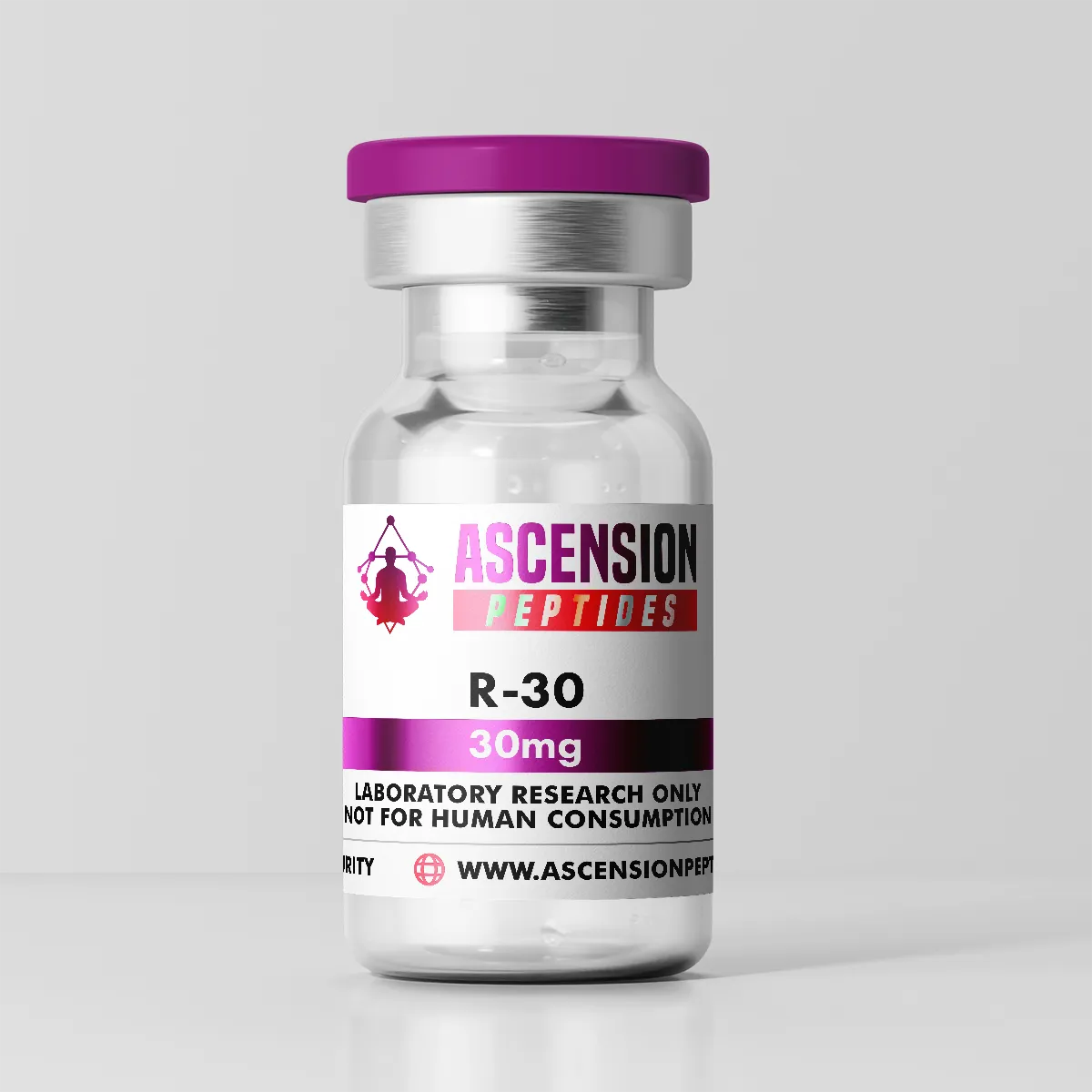
The race to develop the most effective weight loss medication has produced two standout contenders from Eli Lilly: Zepbound (tirzepatide) and Retatrutide. While Zepbound is already available and helping thousands achieve significant weight loss, Retatrutide is generating excitement in clinical trials with potentially even more impressive results.
In this detailed comparison of Retatrutide vs Zepbound, we'll examine how these medications work, their clinical trial results, side effects, and help you understand which one might be the better choice for your weight loss goals.
Understanding the Science: How Do They Work?
Both medications belong to a new class of weight loss drugs that mimic natural hormones in your body, but they differ in important ways.
Zepbound (Tirzepatide): The Dual Agonist
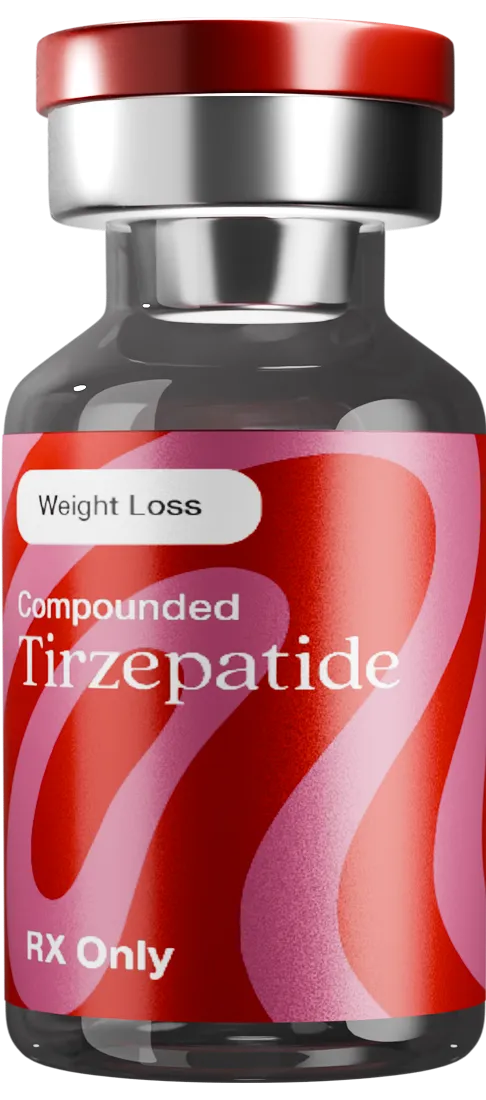
Zepbound contains tirzepatide, which mimics two hormones your body naturally produces:
- GLP-1 (Glucagon-Like Peptide-1): Reduces appetite, slows digestion, and improves blood sugar control
- GIP (Glucose-Dependent Insulinotropic Polypeptide): Enhances insulin secretion and plays a role in fat metabolism
This dual-agonist approach made Zepbound a breakthrough when it received FDA approval in November 2023 for chronic weight management. The same active ingredient is also sold under the brand name Mounjaro for type 2 diabetes treatment.
Retatrutide: The Triple Agonist
Retatrutide, sometimes called "Triple G," takes the approach one step further by targeting three hormone receptors:
- GLP-1: Same appetite-suppressing and blood sugar benefits as Zepbound
- GIP: Same metabolic and insulin-enhancing effects as Zepbound
- Glucagon: The unique addition that promotes energy expenditure, increases thermogenesis (fat burning), and mobilizes stored fat
The addition of glucagon receptor activation is what researchers believe gives Retatrutide its potential edge. While GLP-1 and GIP primarily work by reducing how much you eat, glucagon helps increase how many calories your body burns - attacking weight loss from both sides.
Weight Loss Results: Clinical Trial Data
The numbers from clinical trials tell a compelling story about the effectiveness of both medications.
Zepbound Weight Loss Results
In FDA approval trials, Zepbound demonstrated impressive weight loss:
- Patients on the highest dose (15mg) lost an average of 48 pounds (approximately 21% of body weight) over 72 weeks
- Those on the lowest dose (5mg) lost an average of 34 pounds over the same period
- Placebo group lost only 7 pounds for comparison
- Average starting weight was approximately 230 pounds
- Compared with placebo, tirzepatide (15mg weekly) led to weight loss of up to 18-21%
These results made Zepbound one of the most effective weight loss medications ever approved, outperforming older GLP-1 drugs like Ozempic (semaglutide).
Retatrutide Weight Loss Results
Phase 2 clinical trials for Retatrutide have shown even more remarkable outcomes:
- At 48 weeks, participants lost an average of 24.2% of their body weight (approximately 58 pounds)
- At 24 weeks, participants on the highest dose (12mg) had already lost 17.5% of body weight
- Retatrutide achieved its results in 48 weeks compared to Zepbound's 72 weeks
- 100% of participants in retatrutide trials lost at least 5% of their body weight
Direct Comparison
Here's how the weight loss numbers compare:
- Zepbound: Up to 21% body weight loss over 72 weeks
- Retatrutide: Up to 24.2% body weight loss over 48 weeks
- Time Advantage: Retatrutide achieves greater results in 24 fewer weeks
However, it's important to note that Retatrutide's numbers come from Phase 2 trials with smaller participant groups, while Zepbound's data comes from larger Phase 3 trials. Direct head-to-head studies haven't been conducted yet.
Dosing and Administration
Both medications are administered as once-weekly subcutaneous injections, but their dosing schedules differ.
Zepbound Dosing Schedule
Zepbound follows a gradual dose escalation to minimize side effects:
- Starting Dose: 2.5mg weekly for 4 weeks (initiation only, not maintenance)
- First Increase: 5mg weekly after 4 weeks
- Subsequent Increases: 2.5mg increments every 4+ weeks as tolerated
- Available Doses: 2.5mg, 5mg, 7.5mg, 10mg, 12.5mg, and 15mg
- Maintenance Doses: 5mg, 10mg, or 15mg weekly for weight loss
Retatrutide Dosing (From Clinical Trials)
In clinical trials, Retatrutide has been studied at various doses:
- Doses tested range from 1mg to 12mg weekly
- Highest efficacy observed at 8-12mg doses
- Similar gradual titration approach expected if approved
- Final dosing recommendations pending Phase 3 results
Side Effects and Safety

Both medications share similar side effect profiles, primarily affecting the digestive system.
Common Side Effects (Both Medications)
- Nausea: Most frequently reported, especially during dose increases
- Diarrhea: Common but typically mild
- Constipation: Digestive changes are frequent
- Vomiting: Usually temporary and dose-related
- Abdominal pain: Often improves as body adjusts
- Dyspepsia (indigestion): Common in both treatments
Zepbound-Specific Warnings
As an FDA-approved medication, Zepbound has comprehensive safety labeling:
- Thyroid Warning: In animal studies, tirzepatide caused thyroid C-cell tumors. Contraindicated for patients with personal or family history of medullary thyroid carcinoma (MTC) or MEN 2 syndrome
- Pancreatitis Risk: Reports of acute pancreatitis, including severe cases
- Hypoglycemia: Reported in 4.2% of patients (higher when combined with insulin or sulfonylureas)
- Kidney Issues: Acute renal failure has been reported in some cases
- Contraceptive Interaction: May reduce efficacy of oral birth control; barrier method recommended for 4 weeks after starting or increasing dose
Retatrutide Safety Profile
As an investigational drug, Retatrutide's safety profile is still being evaluated:
- Phase 2 trials showed similar GI side effects to other incretin-based therapies
- Side effects appear dose-dependent and typically improve over time
- Long-term safety data still being collected in Phase 3 TRIUMPH trials
- No unexpected serious safety signals identified in early trials
Availability and FDA Status
This is the most significant practical difference between these medications today.
Zepbound: Available Now
- FDA Approved: November 2023 for chronic weight management
- Additional Approval: 2024 for obstructive sleep apnea in patients with obesity
- Prescription: Available through healthcare providers
- Insurance: May be covered depending on your plan
- Cost: List price around $1,000-1,100 per month without insurance
Retatrutide: Still in Development
- Current Status: Phase 3 clinical trials (TRIUMPH program)
- FDA Designation: Fast Track designation granted for obesity
- Expected Timeline: Phase 3 trials expected to complete mid-2026
- Earliest Availability: Likely 2027 if trials are successful and FDA approves
- Current Access: Only available through clinical trial enrollment
Eli Lilly's TRIUMPH Trial Program
Retatrutide is being evaluated in multiple large-scale Phase 3 trials:
- TRIUMPH-1: Adults with obesity or overweight
- TRIUMPH-2: Adults with type 2 diabetes and obesity
- TRIUMPH-3: Adults with obesity and cardiovascular disease
- TRIUMPH-Outcomes: Long-term cardiovascular and kidney outcomes study
Eli Lilly has invested over $2 billion in these trials, signaling strong confidence in Retatrutide's potential.
Which Should You Choose?
Your choice depends on your current situation and how long you're willing to wait.
Choose Zepbound If:
- You need an effective treatment available now
- You prefer an FDA-approved medication with established safety data
- You have obesity-related conditions like sleep apnea
- Insurance coverage is important to you
- You want a proven option with millions of users worldwide
- 21% weight loss would meet your goals
Consider Waiting for Retatrutide If:
- Current treatments haven't provided adequate results
- You're interested in potentially greater weight loss (24% vs 21%)
- You can wait until 2027 or later for FDA approval
- You want the added benefits of glucagon activation (increased calorie burning)
- You're interested in enrolling in a clinical trial
The Future of Weight Loss Treatment
The progression from single-agonist (Ozempic) to dual-agonist (Zepbound) to triple-agonist (Retatrutide) medications represents a rapid evolution in obesity treatment. Each generation has produced better results with generally manageable side effects.
Looking ahead, researchers are exploring:
- Combination therapies for enhanced effects
- Oral formulations for easier administration
- Personalized dosing based on genetic factors
- Long-term outcome studies on cardiovascular health
- Treatments that help maintain muscle mass during weight loss
Conclusion
The comparison between Retatrutide vs Zepbound showcases two powerful options from Eli Lilly's weight loss portfolio. Zepbound offers an excellent, proven solution available today with up to 21% weight loss and FDA approval. Retatrutide shows promise for even greater results with its triple-agonist mechanism - potentially 24% weight loss in less time - but remains years away from availability.
For those struggling with obesity right now, Zepbound represents one of the most effective options ever approved. For those who can wait and are looking for potentially greater results, Retatrutide may be worth following as it progresses through clinical trials.
Regardless of which medication interests you, consult with a qualified healthcare provider who can evaluate your individual health situation, discuss benefits and risks, and help determine the best treatment approach. These medications work best as part of a comprehensive plan that includes proper nutrition, regular physical activity, and ongoing medical supervision.