If you've been following the latest developments in weight loss and metabolic health, you've likely heard about Retatrutide and Mounjaro. These two medications represent the cutting edge of peptide-based therapies, offering promising results for those looking to manage their weight and improve body composition. But how do they compare, and which might be right for your goals?
In this comprehensive guide, we'll break down everything you need to know about Retatrutide vs Mounjaro, including how they work, their effectiveness, potential side effects, and what sets them apart from each other.
Understanding the Basics: What Are These Peptides?
Before diving into the comparison, it's essential to understand what each of these medications actually is and how they function in the body.
What Is Mounjaro (Tirzepatide)?
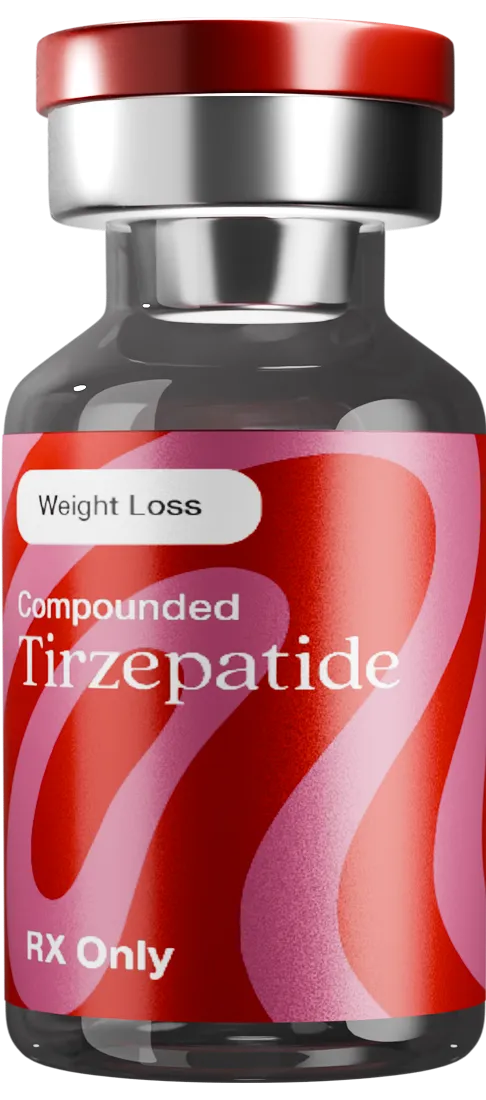
Mounjaro, known by its generic name tirzepatide, is an FDA-approved medication manufactured by Eli Lilly. It was initially approved for type 2 diabetes management but has gained significant attention for its remarkable weight loss effects. Mounjaro is a dual-action peptide that targets two key receptors:
- GLP-1 (Glucagon-Like Peptide-1) receptor: Helps regulate blood sugar and reduces appetite
- GIP (Glucose-Dependent Insulinotropic Polypeptide) receptor: Enhances insulin secretion and may contribute to fat metabolism
This dual-agonist approach makes Mounjaro more effective than single-target GLP-1 medications like semaglutide (Ozempic/Wegovy).
For the complete Ozempic adverse event list with clinical trial percentages, see our Ozempic side effects guide.
What Is Retatrutide?
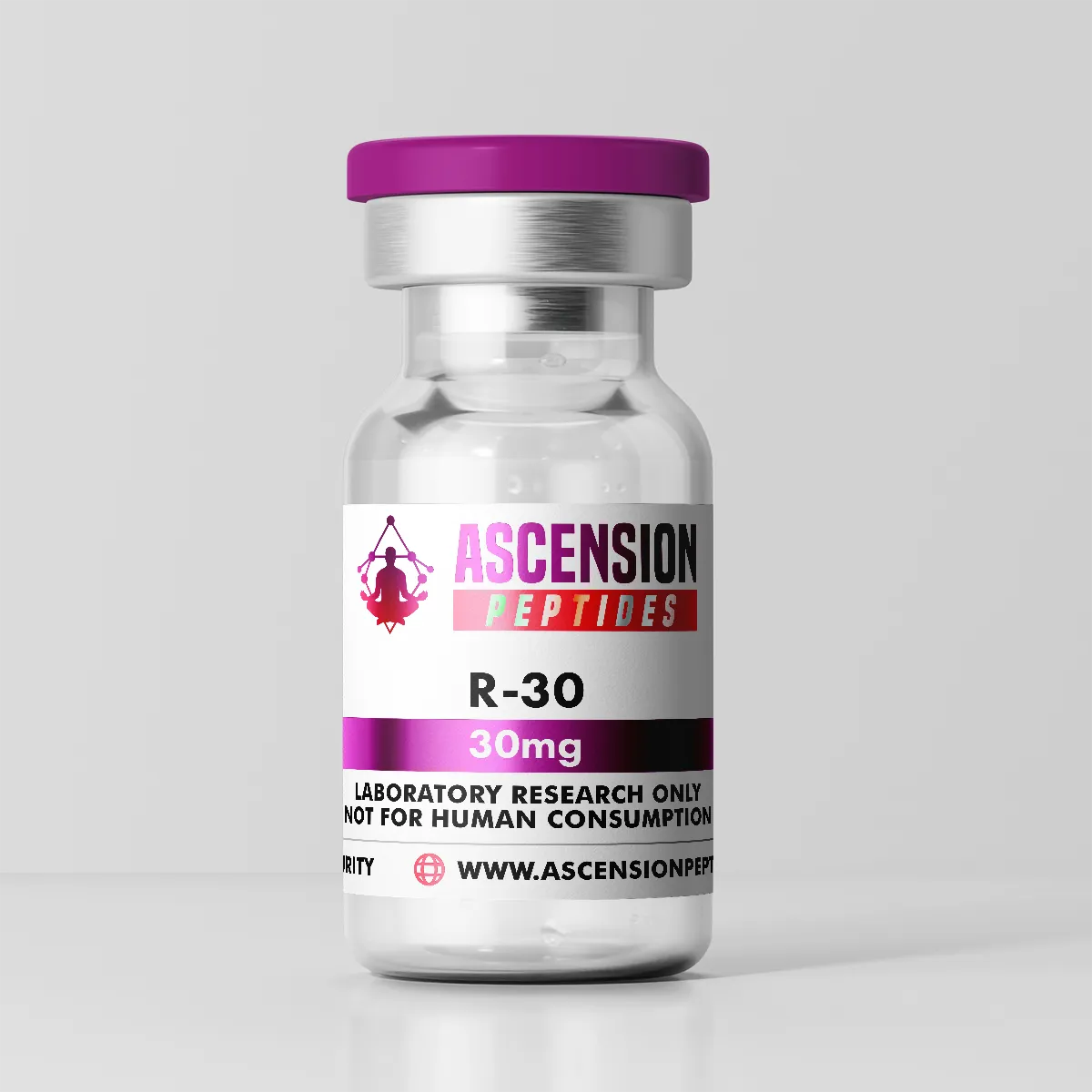
Retatrutide is an investigational peptide also being developed by Eli Lilly. What makes Retatrutide particularly exciting is that it's a triple-action agonist, targeting three receptors instead of two:
- GLP-1 receptor: Controls appetite and blood sugar
- GIP receptor: Supports metabolic function
- Glucagon receptor: Promotes fat burning and energy expenditure
The addition of the glucagon receptor is what distinguishes Retatrutide from Mounjaro and may explain the impressive weight loss results seen in clinical trials.
Mechanism of Action: How Do They Work?
Understanding how these peptides work in your body is crucial for appreciating their potential benefits and differences.
Mounjaro's Dual-Agonist Mechanism
Mounjaro works by mimicking two natural hormones that your body produces after eating. When you inject Mounjaro:
- It activates GLP-1 receptors in the brain, reducing hunger and increasing feelings of fullness
- It slows gastric emptying, meaning food stays in your stomach longer
- It improves insulin sensitivity and helps regulate blood sugar levels
- The GIP activation enhances these effects and may directly impact fat cells
This combination leads to reduced calorie intake and improved metabolic function, resulting in significant weight loss for most users.
Retatrutide's Triple-Agonist Mechanism
Retatrutide takes the approach one step further by adding glucagon receptor activation to the mix. Here's why this matters:
- The glucagon receptor activation increases energy expenditure, meaning you burn more calories even at rest
- It promotes the breakdown of stored fat (lipolysis)
- It may help preserve lean muscle mass during weight loss
- The combined effect of all three receptors creates a synergistic impact on metabolism
This triple-action approach is why early clinical trials have shown Retatrutide producing even greater weight loss than Mounjaro.
Effectiveness: What Do the Studies Show?
When comparing Retatrutide vs Mounjaro, the clinical trial data provides valuable insights into what users can expect.
Mounjaro Clinical Results
The SURMOUNT clinical trial program demonstrated impressive results for Mounjaro:
- Participants lost an average of 15-22% of their body weight over 72 weeks
- Many participants achieved weight loss of 25% or more
- Significant improvements in blood sugar control, blood pressure, and cholesterol levels were observed
- The highest dose (15mg) produced the most substantial results
These results made Mounjaro one of the most effective weight loss medications ever studied, surpassing previous GLP-1 medications.
Retatrutide Clinical Results
Phase 2 clinical trials for Retatrutide have shown even more remarkable outcomes:
- Participants lost an average of up to 24% of their body weight in 48 weeks
- Some participants in the highest dose group lost over 30% of their body weight
- The weight loss trajectory suggested even greater results with longer treatment
- Improvements in metabolic markers were comparable to or better than Mounjaro
These early results have generated significant excitement in the medical community, though Phase 3 trials are still ongoing.
Side Effects and Tolerability
Both medications share similar side effect profiles, primarily related to their gastrointestinal effects.
Common Side Effects of Both Medications
Users of both Retatrutide and Mounjaro commonly report:
- Nausea: Especially common when starting or increasing doses
- Diarrhea or constipation: Digestive changes are frequent
- Decreased appetite: While this is the intended effect, it can be intense for some
- Vomiting: Usually temporary and dose-related
- Fatigue: Some users experience tiredness, especially initially
Managing Side Effects
Most side effects can be minimized through proper dose titration. Both medications are designed to be started at lower doses and gradually increased, allowing your body to adjust. Tips for managing side effects include:
- Starting with the lowest dose and increasing slowly
- Eating smaller, more frequent meals
- Avoiding high-fat and spicy foods initially
- Staying well-hydrated
- Giving your body time to adapt before increasing doses

Dosing and Administration
Understanding the dosing protocols for each medication helps set realistic expectations.
Mounjaro Dosing
Mounjaro is administered as a once-weekly subcutaneous injection. The dosing schedule typically follows:
- Starting dose: 2.5mg weekly for 4 weeks
- Increase to 5mg weekly for 4 weeks
- Continue increasing in 2.5mg increments every 4 weeks as tolerated
- Maximum dose: 15mg weekly
The gradual titration helps minimize side effects while allowing users to find their optimal dose.
Retatrutide Dosing
In clinical trials, Retatrutide has been studied at various doses:
- Doses ranging from 1mg to 12mg weekly have been tested
- The highest doses (8-12mg) produced the most significant weight loss
- Similar titration approaches are expected if approved
Since Retatrutide is not yet FDA-approved, final dosing recommendations are still being determined.
Key Differences Between Retatrutide and Mounjaro
Let's summarize the main distinctions between these two peptides:
Mechanism
- Mounjaro: Dual-agonist (GLP-1 + GIP)
- Retatrutide: Triple-agonist (GLP-1 + GIP + Glucagon)
Approval Status
- Mounjaro: FDA-approved and available by prescription
- Retatrutide: Still in clinical trials, not yet FDA-approved
Weight Loss Potential
- Mounjaro: Average 15-22% body weight loss
- Retatrutide: Up to 24%+ body weight loss in trials
Energy Expenditure
- Mounjaro: Primarily works through appetite suppression
- Retatrutide: May also increase calorie burning through glucagon activation
Which One Should You Consider?
The choice between Retatrutide and Mounjaro depends on several factors:
Consider Mounjaro If:
- You want an FDA-approved, readily available option
- You're looking for a proven treatment with extensive safety data
- Your healthcare provider recommends it for diabetes or weight management
- You prefer a medication with established long-term data
Consider Waiting for Retatrutide If:
- You're interested in potentially greater weight loss results
- You want the added benefit of increased energy expenditure
- You're willing to wait for FDA approval
- Current options haven't provided the results you're looking for
The Future of Peptide-Based Weight Loss
Both Retatrutide and Mounjaro represent significant advances in metabolic health treatment. The progression from single-agonist (GLP-1 only) to dual-agonist (Mounjaro) to triple-agonist (Retatrutide) medications shows how rapidly this field is evolving.
Researchers continue to explore even more targeted approaches, including:
- Combination therapies with other peptides
- Oral formulations for easier administration
- Personalized dosing based on genetic factors
- Long-acting formulations requiring less frequent dosing
Conclusion
The comparison between Retatrutide vs Mounjaro highlights the rapid evolution of peptide-based therapies for weight management and metabolic health. Mounjaro offers a proven, FDA-approved option with impressive results, while Retatrutide shows promise for even greater effectiveness through its triple-agonist mechanism.
If you're considering either of these medications, the most important step is consulting with a qualified healthcare provider who can evaluate your individual situation, health history, and goals. These powerful peptides are tools that work best as part of a comprehensive approach to health that includes proper nutrition, physical activity, and ongoing medical supervision.
As research continues and new options become available, the future looks increasingly promising for those seeking effective solutions for weight management and improved body composition.