🔑 Key Takeaways
- Retatrutide is not FDA-approved — there's no prescription route yet. Clinical trial enrollment or research peptide vendors are the current access paths.
- The compound produced up to 24.2% weight loss in Phase 2 trials — the most potent weight loss data from any single agent to date
- Research-grade retatrutide is legally available in the US for laboratory use from vendors like Ascension Peptides
- Always verify third-party COA with HPLC and mass spectrometry — purity directly affects dosing accuracy
- Phase 3 trials are underway; FDA approval could come as early as 2027–2028
🔬 Sourcing Retatrutide?
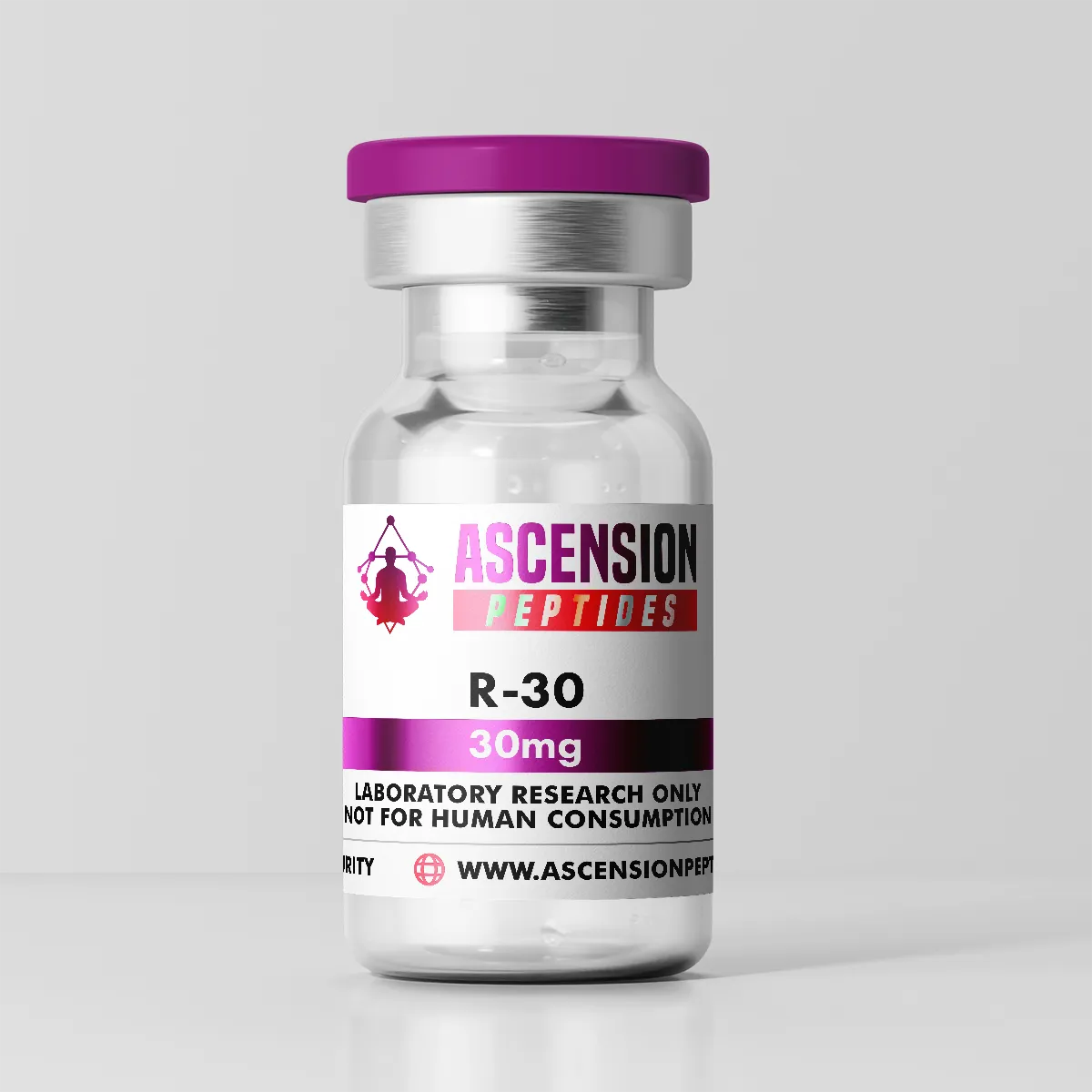
Ascension Peptides carries retatrutide under the code names R-10 (10mg · $70) and R-30 (30mg · $180) — their standard research catalog designations for this compound.
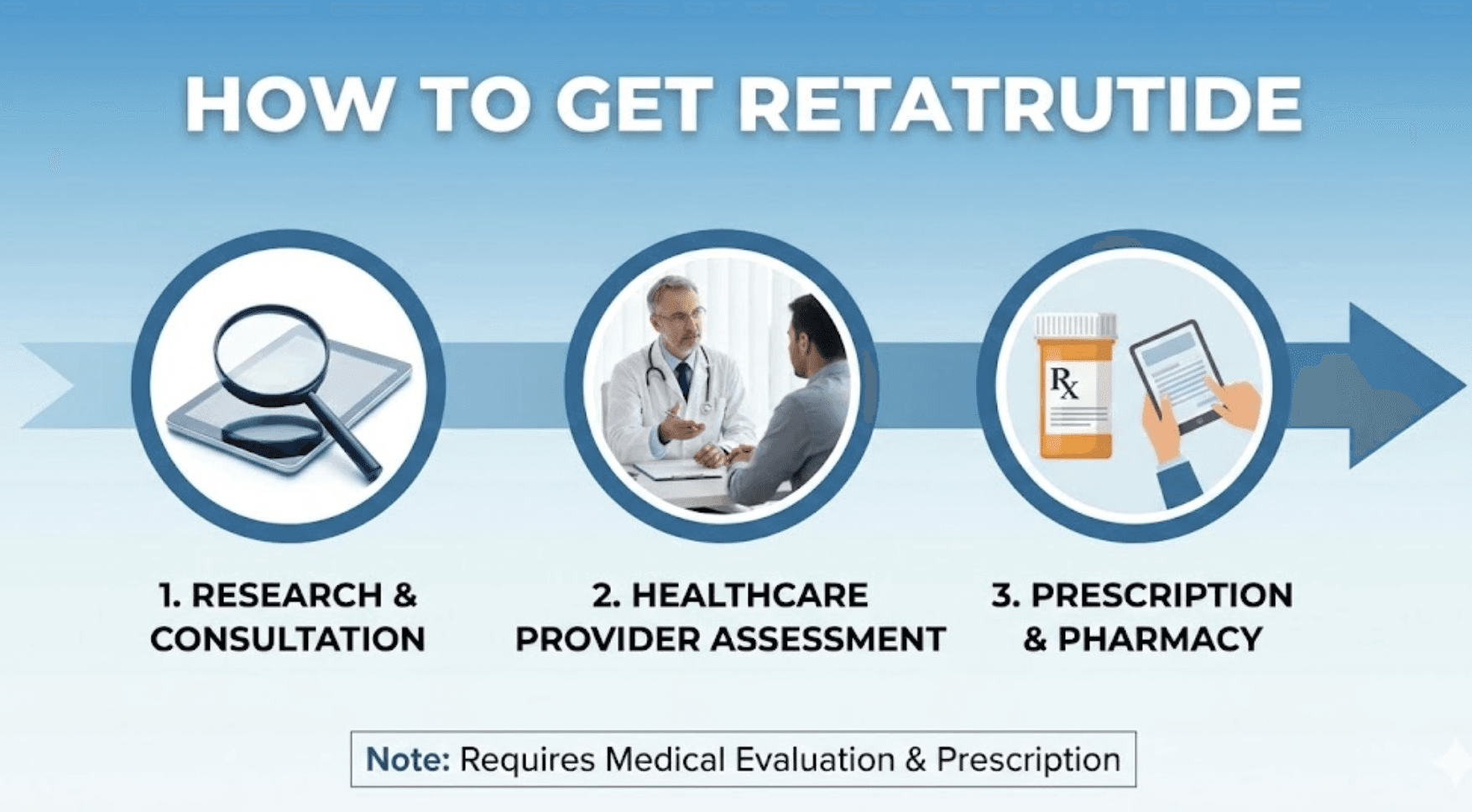
Let's be direct about what you're actually asking when you search "how to get retatrutide": you want to know whether it's possible to access the most potent weight loss compound in existence outside of a clinical trial. The answer is yes — but the route matters, and understanding your options is critical for making a safe, legal, and informed decision.
Retatrutide (LY3437943) is Eli Lilly's triple agonist peptide targeting GLP-1, GIP, and glucagon receptors simultaneously. The Phase 2 trial published in NEJM by Jastreboff et al. (2023) showed up to 24.2% body weight reduction at 48 weeks — numbers that had researchers and the general public paying very close attention. Phase 3 trials (the TRIUMPH program) are underway, but FDA approval is still years away.
So what are your actual options right now? There are three main routes, each with different tradeoffs.
Route 1: Clinical Trial Enrollment
The most direct "legitimate" path to retatrutide is enrolling in an active clinical trial. Eli Lilly's TRIUMPH program includes multiple Phase 3 trials across different populations and indications.
How to Find Active Trials
- ClinicalTrials.gov: Search for "retatrutide" or "LY3437943" to find currently recruiting studies
- Eli Lilly's trial finder: The company maintains a patient-facing trial search at lillytrialguide.com
- Your physician: Endocrinologists and obesity medicine specialists may have access to trial enrollment networks
Typical Eligibility Criteria
Pros and Cons of Trial Enrollment
- Pros: Medical supervision, free medication, regular monitoring, contributing to science
- Cons: Strict eligibility, randomization (you might get placebo), geographic limitations, frequent visits, protocol constraints
The randomization issue is real. In a placebo-controlled trial, you might spend 48–72 weeks receiving an injection that does nothing — without knowing which group you're in until the trial ends.
Route 2: Compounding Pharmacies (Emerging)
Some compounding pharmacies have begun offering GLP-1 peptides as compounds. This route exists in a regulatory gray area that's worth understanding.
How It Works
A physician writes a prescription. A compounding pharmacy prepares the peptide according to USP guidelines. The compound is dispensed to the patient. This pathway has been used for semaglutide and tirzepatide compounds during the ongoing shortage of brand-name products.
The Retatrutide Problem
Compounding pharmacies can typically only compound drugs that are commercially available or on the FDA shortage list. Retatrutide is neither — it's an investigational compound that has never been FDA-approved. This means legitimate compounding of retatrutide is legally problematic under current regulations. Some pharmacies may stretch this interpretation, but the regulatory risk is real.
Quality Concerns
Not all compounding pharmacies maintain equivalent quality standards. Look for 503B outsourcing facilities (FDA-registered) rather than 503A traditional compounding pharmacies. The difference in quality control, testing, and oversight is significant.
Route 3: Research Peptide Vendors
This is the most common access pathway for people who want retatrutide now. Research-grade peptides are legally available in the United States for laboratory and research purposes.
How Research Peptides Work
Research peptide vendors synthesize and sell peptides with "for research use only" labeling. The compounds are not FDA-approved medications. Purchasers are technically buying them for laboratory or research purposes. This is the same market that supplies universities, private labs, and independent researchers.
What to Look for in a Vendor
Quality variance between vendors is enormous. Here's what separates good from bad:
Recommended Source
Ascension Peptides is one of the most consistently cited vendors in the research community for retatrutide. They carry two options:
- R-10: 10mg retatrutide — $70
- R-30: 30mg retatrutide — $180
Both come with third-party COA documentation, verified HPLC purity, and US-based fulfillment. For first-time researchers, the R-10 (10mg) vial is a reasonable starting point. For longer protocols, R-30 offers better value per milligram. For a full vendor comparison, see our best peptide sources in 2026 guide.
Route Comparison: Which Path Is Right?
Understanding Retatrutide Dosing
If you're accessing retatrutide through research channels, understanding the dosing landscape from published trial data is critical. Full details are in our retatrutide dosage chart, but here's the overview:
Dose escalation is non-negotiable. Starting at high doses without titration dramatically increases GI side effects (nausea, vomiting, diarrhea) and potentially more serious issues. The Phase 2 trial used 4-week escalation intervals, and community reports suggest this pace is appropriate for most people.
What to Expect: Side Effects and Results
Common Side Effects
The retatrutide side effects profile is well-characterized from Phase 2 data:
- Nausea (most common; dose-dependent, peaks during escalation)
- Diarrhea
- Vomiting
- Decreased appetite (intended effect)
- Constipation
- Injection site reactions
Expected Results Timeline
- Weeks 1–4: Appetite suppression begins. Mild GI effects common. Weight loss starts (1–3%).
- Weeks 4–12: Appetite effects strengthen significantly. Weight loss accelerates (5–10%).
- Weeks 12–24: Most dramatic weight loss phase. Body recomposition visible.
- Weeks 24–48: Continued weight loss approaching the 20–24% range at highest doses.
For real user experiences, our retatrutide reviews compilation covers community-reported outcomes.
Reconstitution and Storage
Gather Materials
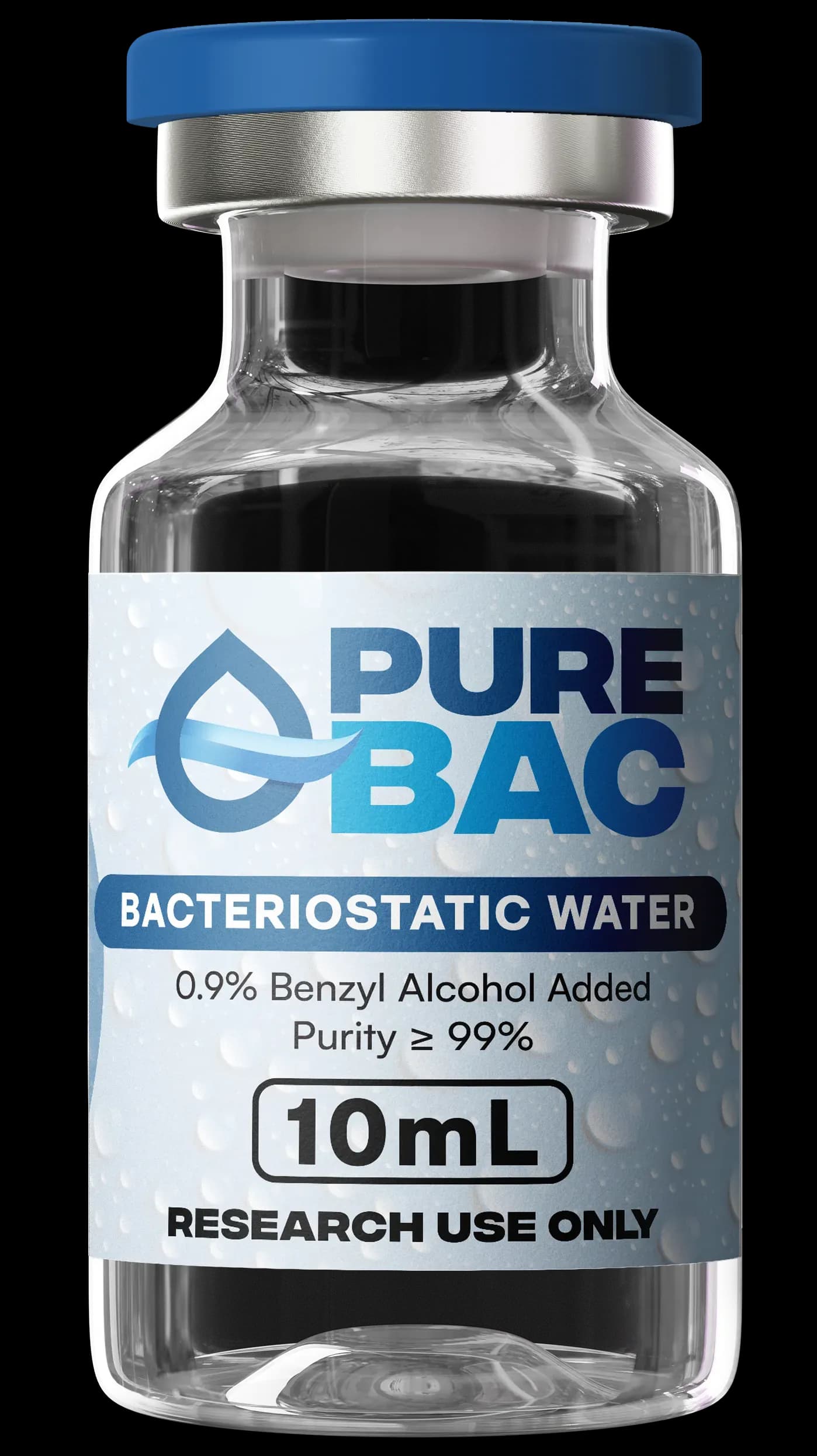
You'll need: lyophilized retatrutide vial, bacteriostatic water, alcohol swabs, and insulin syringes (29–31 gauge). Let the vial reach room temperature before reconstituting.
Reconstitute Carefully
Swab both vial tops with alcohol. Draw bacteriostatic water (2mL for a 10mg vial = 5mg/mL concentration; 3mL for a 30mg vial = 10mg/mL). Inject slowly down the inside wall of the peptide vial. Never spray directly onto the powder.
Dissolve by Gentle Rolling
Roll the vial between your palms — never shake or vortex. The powder should dissolve within 2–5 minutes to a clear, colorless solution. Cloudiness or particles indicate a problem.
Store Properly
Reconstituted solution: refrigerate at 4°C, use within 28 days. Lyophilized powder: store at -20°C, stable for 12–24 months. Label with date and concentration.
When Will Retatrutide Be Officially Available?
The timeline depends on Phase 3 results and FDA review:
- Phase 3 (TRIUMPH program): Currently enrolling and running. Primary results expected 2026–2027.
- FDA submission: If Phase 3 is positive, Lilly will file an NDA — likely 2027.
- FDA review: Standard review takes 10–12 months. Priority review could accelerate this.
- Potential approval: Optimistic scenario: late 2027. More likely: 2028.
- Commercial availability: Manufacturing scale-up adds time after approval — supply constraints are likely initially.
For people who want retatrutide before then, the research peptide route remains the most accessible option. For a broader perspective on where to source it and how the vendor landscape looks, see our detailed retatrutide buying guide for 2026.
Safety Considerations
Risk Mitigation Strategies
- Start at the lowest dose and follow published escalation protocols
- Monitor blood glucose, liver enzymes, and thyroid function periodically
- Have a physician aware of what you're using — even if they're not prescribing it
- Stop immediately if you experience severe abdominal pain (pancreatitis risk)
- Be aware of the thyroid C-cell tumor warning that applies to all GLP-1 class compounds