Melanotan II
Melanotan II (MT-2)
Get Melanotan II
Sourced from Ascension Peptides. Verified ≥≥99% purity, third-party tested. COA included.
Off with code
PEPTIDEDECK
Table of Contents
What is Melanotan II?
Melanotan II (MT-2) is a synthetic cyclic peptide developed in the early 1990s at the University of Arizona as part of research into melanocortin receptors and their potential therapeutic applications. The peptide is a modified analog of alpha-melanocyte-stimulating hormone (α-MSH), a naturally occurring hormone that regulates skin pigmentation, appetite, and sexual function through the melanocortin receptor system.
The peptide's development began with the observation that α-MSH could induce skin darkening, but natural α-MSH is rapidly degraded in the body. Researchers led by Dr. Victor Hruby designed MT-2 with specific structural modifications—including cyclization and amino acid substitutions—that dramatically extended its biological activity while enhancing its potency at melanocortin receptors.
What made MT-2 particularly interesting to researchers was its non-selective activity across the melanocortin receptor family. By activating MC1R, it triggers melanin production. By activating MC3R and MC4R in the brain, it produces effects on sexual arousal and appetite. This multi-receptor activity is both the source of MT-2's distinctive effects and the reason it has a broader side effect profile than more selective compounds.
Despite extensive research interest, Melanotan II itself has not received regulatory approval for any indication. It remains classified as a research compound, though it has gained significant attention in bodybuilding, tanning, and biohacking communities. The distinction between MT-2 and approved drugs like PT-141 or afamelanotide (Melanotan I) is important—those compounds underwent full clinical development programs while MT-2's use outside of research settings involves unregulated products.
Research Benefits
Stimulates melanin production for skin tanning
Increases sexual arousal and desire in both sexes
May provide some UV protection through increased melanin
Reduces appetite in some users
Can induce tanning with minimal sun exposure
Effects persist between dosing cycles
Well-documented mechanism of action
How Melanotan II Works
Melanotan II exerts its effects by binding to and activating melanocortin receptors, a family of G protein-coupled receptors that mediate diverse physiological functions. Understanding which receptors MT-2 activates helps explain its range of effects on pigmentation, sexual function, and metabolism.
MC1R and Skin Pigmentation
The most visible effect of MT-2—tanning—occurs through activation of melanocortin 1 receptors (MC1R) on melanocytes in the skin. When MT-2 binds to MC1R, it triggers a cascade of intracellular signaling beginning with increased cyclic AMP (cAMP) production. This activates protein kinase A, which in turn phosphorylates CREB (cAMP response element-binding protein), ultimately increasing expression of genes involved in melanin synthesis.
Melanin Production
Stimulates eumelanin synthesis via MC1R activation, producing darker skin pigmentation.
Sexual Arousal
Activates MC3R/MC4R in the hypothalamus, enhancing libido and arousal in both sexes.
Appetite Modulation
MC4R activation in appetite centers can reduce hunger and food intake.
The key enzyme upregulated is tyrosinase, which catalyzes the rate-limiting step in melanin biosynthesis. MT-2 shifts melanin production toward eumelanin (the brown-black pigment) rather than pheomelanin (the red-yellow pigment). This is significant because eumelanin provides better UV protection and produces the desired tanning appearance.
MC3R/MC4R and Sexual Function
The sexual arousal effects of MT-2 are mediated primarily through MC3R and MC4R receptors in the central nervous system, particularly in the hypothalamus. Unlike peripheral sexual enhancement drugs like sildenafil that work through blood flow mechanisms, melanocortin agonists work centrally to enhance desire and arousal at the neurological level.
In men, MC4R activation triggers a cascade that can produce erections through descending neural pathways—notably, these erections can occur without sexual stimulation, a characteristic feature of melanocortin-induced arousal. In women, the mechanism appears to involve similar central pathways, increasing subjective arousal and genital blood flow.
MC4R and Appetite Regulation
MC4R plays a crucial role in hypothalamic regulation of energy balance. Activation of these receptors by MT-2 produces anorexigenic (appetite-suppressing) signals. This is the same pathway that mutations in MC4R are associated with—loss-of-function mutations in this receptor are one of the most common causes of monogenic obesity. By activating MC4R, MT-2 can reduce appetite in some users, though this effect is variable.
Research Applications
Skin pigmentation and photoprotection
Active research area with published studies
Sexual dysfunction and hypoactive desire disorders
Active research area with published studies
Erectile dysfunction treatment
Active research area with published studies
Female sexual arousal disorder
Active research area with published studies
Melanoma risk in fair-skinned populations
Active research area with published studies
Appetite and weight regulation
Active research area with published studies
UV-independent tanning mechanisms
Active research area with published studies
Research Findings
Melanotan II has been the subject of numerous clinical studies and research investigations, providing a substantial evidence base for its biological effects. This research has also informed the development of related compounds that have progressed to regulatory approval.
Tanning and Pigmentation Studies
Early human studies at the University of Arizona established that MT-2 could reliably induce skin darkening. In a foundational study, participants receiving MT-2 showed significant increases in skin melanin density as measured by reflectance spectroscopy. The tanning effect occurred even with limited UV exposure, though UV exposure enhanced and prolonged the response.
A study published in Life Sciences (1996) examined MT-2's effects on human skin pigmentation and documented dose-dependent increases in tanning. Subjects with fair skin (Fitzpatrick skin types I-II), who typically burn rather than tan, showed the ability to develop protective tans with MT-2 treatment—something normally very difficult for this population.
🔑 Key Research Findings
- MT-2 produces measurable increases in skin melanin density
- Tanning effects occur with reduced UV exposure compared to natural tanning
- Sexual arousal effects documented in controlled trials in both sexes
- Side effects including nausea, flushing, and mole changes consistently reported
- Research led to FDA-approved derivative PT-141 for sexual dysfunction
Sexual Function Research
The sexual function effects of MT-2 were discovered somewhat serendipitously during early clinical trials focused on tanning. Male subjects reported unexpected erections following administration, prompting dedicated investigation of this property.
A pivotal study published in the Archives of Sexual Behavior (2000) demonstrated that subcutaneous MT-2 administration produced significant increases in sexual arousal and erectile function in men. The effects were distinct from those of PDE5 inhibitors—MT-2 produced erections that occurred without sexual stimulation, indicating a central mechanism of action.
Research in women also documented arousal effects. Studies measuring vaginal blood flow and subjective arousal found significant increases following MT-2 administration. This research directly informed the development of bremelanotide (PT-141), which successfully completed Phase III trials for hypoactive sexual desire disorder in premenopausal women and received FDA approval in 2019.
Safety and Adverse Events
Across clinical studies, the most commonly reported adverse events have been:
| Adverse Event | Frequency | Characteristics |
|---|---|---|
| Nausea | Very Common | Most pronounced with initial doses, typically diminishes |
| Facial Flushing | Common | Transient warmth and redness, especially facial |
| Fatigue | Common | Often accompanies initial dosing, may persist |
| Mole Darkening | Common | Existing moles may darken or enlarge |
| Spontaneous Erection | Common (men) | Can occur without sexual stimulation |
Melanoma Considerations
The potential relationship between MT-2 and melanoma has been a significant area of concern. Case reports have documented melanoma diagnoses in MT-2 users, though establishing causation is methodologically challenging. A 2012 report in the British Journal of Dermatology described melanoma development in an MT-2 user, raising awareness of this theoretical risk.
The biological plausibility of a connection exists—MT-2 stimulates melanocyte proliferation and activity, and dysregulated melanocyte growth is the basis of melanoma. However, no controlled epidemiological studies have definitively established increased risk. The confounding factor is that many MT-2 users have fair skin and seek tanning products precisely because of their skin type—a population already at elevated melanoma risk.
Dosage & Administration
Melanotan II is not approved for therapeutic use, and no official dosing guidelines exist. The following information is derived from clinical research protocols and is provided for informational purposes only. Any use outside of approved research settings carries significant risks.
Research Protocol Dosing
In clinical studies, MT-2 has typically been administered at doses ranging from 0.025 mg/kg to 0.3 mg/kg body weight. For a 70 kg individual, this translates to approximately 0.5-2 mg per dose. Most research protocols have used subcutaneous injection as the route of administration.
| Phase | Typical Dose Range | Frequency | Duration |
|---|---|---|---|
| Initial/Loading | 0.25-0.5 mg | Daily | 7-14 days |
| Maintenance | 0.5-1.0 mg | 1-2x weekly | As needed |
Starting at lower doses (0.1-0.25 mg) helps assess individual tolerance and minimize initial nausea. The peptide is often administered in the evening to allow acute side effects to occur during sleep.
Reconstitution
Gather Materials
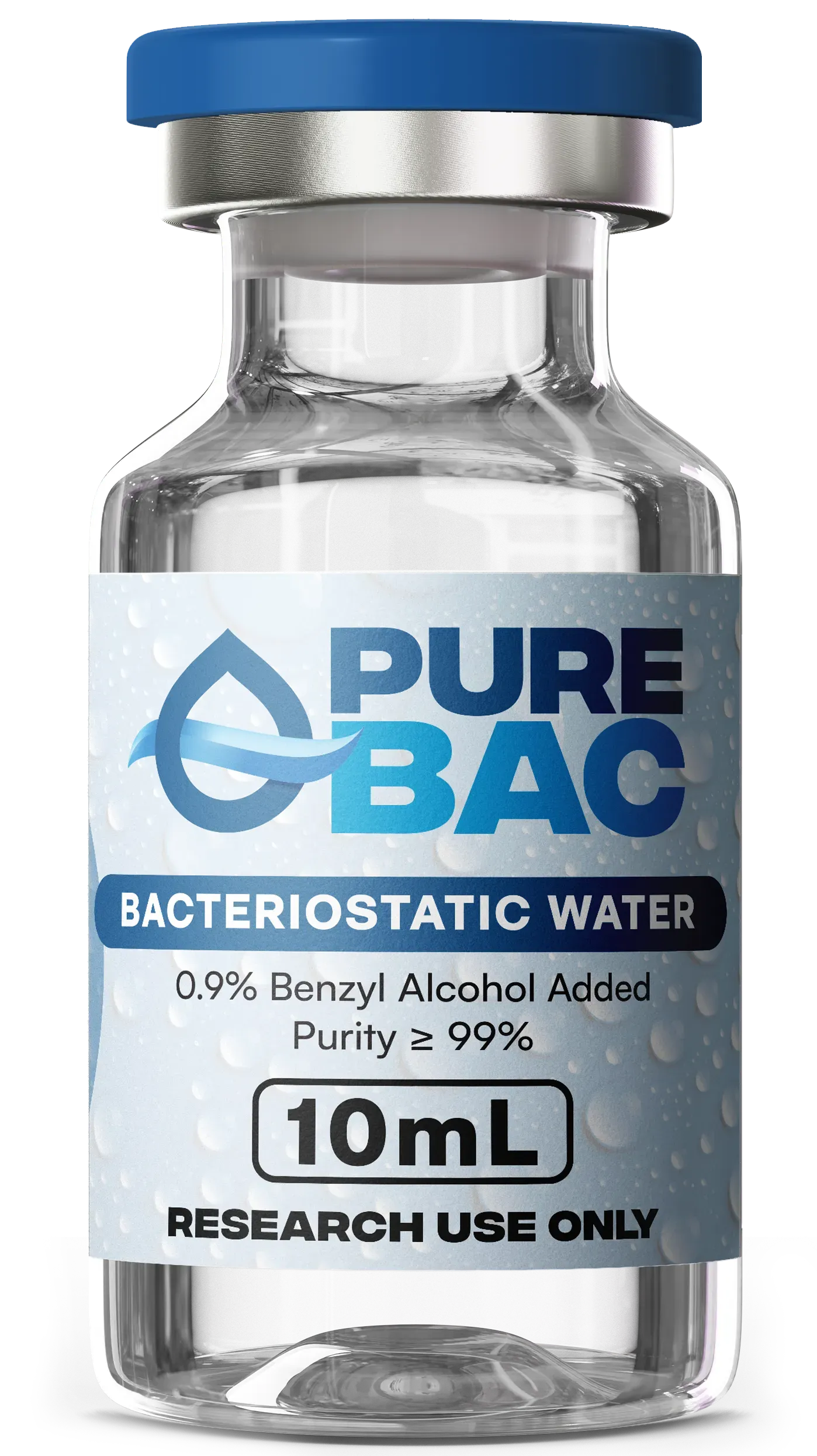
MT-2 vial (typically 10mg), bacteriostatic water, alcohol swabs, insulin syringes.
Add Bacteriostatic Water
Slowly inject water along the vial wall. For a 10mg vial, adding 2mL creates a concentration of 5mg/mL (0.5mg per 0.1mL).
Gently Mix
Swirl gently—do not shake. Allow powder to dissolve completely (may take several minutes).
Store Properly
Refrigerate reconstituted solution at 2-8°C. Protect from light. Use within 21 days.
Administration Technique
Subcutaneous injection is performed by pinching a fold of skin (typically abdominal) and inserting an insulin needle at a 45-90 degree angle. Rotate injection sites to prevent lipodystrophy. Standard sterile technique—cleaning the injection site with alcohol and using a new needle for each injection—should always be observed.
Pro Tip
Taking an antihistamine (diphenhydramine) 30-60 minutes before dosing may reduce nausea and flushing, though this is not universally effective. Starting with very low doses (0.1mg) also helps minimize initial side effects.
UV Exposure Considerations
While MT-2 can produce some tanning without UV exposure, most protocols involve concurrent sun or sunbed exposure to enhance and 'set' the color. However, the UV exposure required is typically much less than would normally be needed for tanning. Users should be aware that the sensation of burning may be reduced while actual UV damage continues—meaning sunburn can occur before it's felt. Conservative UV exposure with gradual increases is advisable.
Work out your Melanotan II draw in units
Enter the vial size, the bacteriostatic water you add and the dose you want, and the calculator gives the syringe units, how long the vial lasts and when to discard it.
Open the peptide calculatorSafety & Side Effects
Melanotan II's non-selective receptor activity and lack of long-term safety data present significant considerations for anyone contemplating its use. Understanding the full spectrum of effects—both desired and adverse—is essential.
Common Side Effects
Nausea: The most frequently reported adverse effect, often pronounced with initial doses. Can range from mild queasiness to significant nausea lasting several hours. Typically diminishes with continued use as tolerance develops. Taking doses in the evening helps manage this side effect.
Facial Flushing: Warmth and redness, particularly in the face, occurring within minutes of injection. Usually transient, lasting 30-60 minutes. Related to melanocortin effects on vascular function.
Fatigue and Yawning: Many users report increased tiredness and spontaneous yawning following administration. This may be related to central melanocortin effects on sleep-wake regulation.
Appetite Suppression: MC4R activation can produce significant reduction in appetite. While some users consider this beneficial, extreme appetite suppression can be problematic.
Sexual Effects: Spontaneous erections in men can occur at inconvenient times and may last for extended periods. Increased libido effects can be pronounced and persistent.
Dermatological Concerns
New Freckles/Spots: Appearance of new pigmented spots in sun-exposed and non-exposed areas has been reported. While typically benign, any new pigmented lesion warrants medical evaluation.
Uneven Tanning: Pigmentation may develop unevenly, with some areas darkening more than others. Areas with higher melanocyte density (face, genitals, nipples) may darken disproportionately.
Long-Term Safety Considerations
The absence of long-term controlled safety studies is a fundamental limitation in assessing MT-2 risk. Theoretical concerns include:
- Melanoma Risk: Stimulating melanocyte activity could theoretically promote melanoma development, though this remains unproven
- Cardiovascular Effects: Melanocortin receptors in cardiovascular tissue could mediate as-yet-unknown effects
- Hormonal Interactions: Effects on hypothalamic function could influence other hormonal systems
- Product Quality: Unregulated products may contain impurities, incorrect dosing, or degraded material
Contraindications
Use should be avoided or approached with extreme caution in:
- Personal or family history of melanoma
- Atypical mole syndrome or numerous moles
- History of skin cancer
- Cardiovascular disease or uncontrolled hypertension
- Pregnancy or breastfeeding
- Autoimmune conditions