TB-500 Side Effects: Usually Mild, But the Angiogenesis and Cancer Question Deserves a Straight Answer
TB-500 is generally considered very well tolerated, with mild fatigue, headache, and occasional injection-site irritation being the most common complaints. The bigger concern is not common side effects — it’s the ongoing debate around angiogenesis and whether that could matter in cancer contexts.
TB-500 has one of the cleaner reputations in the peptide world, especially among people using it for injury-recovery protocols. Most short-term complaints are mild. That part is true.
But TB-500 also sits under a cloud of one recurring question: if it supports tissue repair and angiogenesis, could that be a problem in the context of cancer? That question gets handled badly online—either dismissed instantly or exaggerated into panic. The honest answer is more nuanced.
🔑 Key Takeaways
- TB-500 is usually very well tolerated in practical use.
- Mild fatigue and headache are the most common systemic complaints.
- Injection-site reactions can happen but are usually minor.
- The cancer concern is theoretical and tied to angiogenesis biology, not a proven pattern of TB-500 causing cancer.
For the broader healing-peptide conversation, it also helps to compare TB-500 with things like MOTS-c for metabolic support or Tesamorelin for GH-linked body composition. Different categories, obviously, but helpful perspective.
The Most Common TB-500 Side Effects
The usual list is short: mild fatigue, mild headache, and occasional injection-site irritation. That is one reason TB-500 gets described as an easy peptide to tolerate.
Compared with compounds known for nausea, appetite issues, or blood pressure drama, TB-500 is pretty quiet. That does not make it trivial. It just means the standard short-term side-effect burden is usually low.
Mild Fatigue: Sometimes Part of the Adjustment
Some users report feeling slightly tired or a little flat after TB-500 injections, especially early in a cycle. Usually this is mild and temporary.
I would not call fatigue the defining TB-500 experience. It is more of an occasional side note. Still, it comes up enough that pretending it never happens would be silly.
Headache: Annoying, Usually Not Severe
Headache is another occasional TB-500 complaint. It tends to be mild and manageable, and like a lot of peptide side effects, it may show up more when dosing is more aggressive than necessary.
There is a pattern here: people often want the “healing” peptide to work fast, so they push the protocol harder than needed. That can turn a pretty clean compound into a rougher experience than it had to be.
Injection Site Reactions
Because TB-500 is often injected subcutaneously, local irritation can happen. Redness, tenderness, or a temporary bump under the skin are the usual complaints.
Most of the time, this is not a big deal. Rotate sites, use good technique, and stop treating every minor skin reaction like a systemic crisis.
The Angiogenesis and Cancer Concern: The Straight Answer
Here is the honest version: TB-500 is discussed with cancer concern because thymosin beta-4 biology is linked to cell migration, tissue repair, and angiogenesis. Angiogenesis means new blood vessel formation. That is helpful in wound healing. It can also be relevant in tumor biology.
What does that mean in practical terms? It does not mean TB-500 has been proven to cause cancer in healthy users. That claim is too strong. What it does mean is that some of the same pathways involved in healing may also be pathways researchers take seriously in oncology contexts.
So the concern is theoretical but not absurd. If someone has active cancer, suspected cancer, or a strong reason to avoid anything that might support angiogenic signaling, TB-500 is not the peptide to approach casually.
That is the grown-up answer. Not panic. Not dismissal.
Why TB-500 Still Gets Called Safe So Often
Because in ordinary short-term use, the side-effect profile is usually mild. People tend to tolerate it well. That reputation exists for a reason.
But safety language always depends on what question you are asking. “Does this usually cause annoying day-to-day side effects?” TB-500 often looks good. “Has every long-term biological concern been fully resolved?” No, not really.
How to Reduce TB-500 Side Effects
- Use a sensible dose rather than chasing faster healing.
- Rotate injection sites.
- Keep expectations realistic—healing peptides still need time.
- Do not ignore personal medical context, especially cancer history.
💡 Pro Tip
TB-500 works best when you treat it like a recovery support tool, not a magic repair button. Overpushing the protocol rarely makes it smarter.
Where to Source TB-500 for Research Use
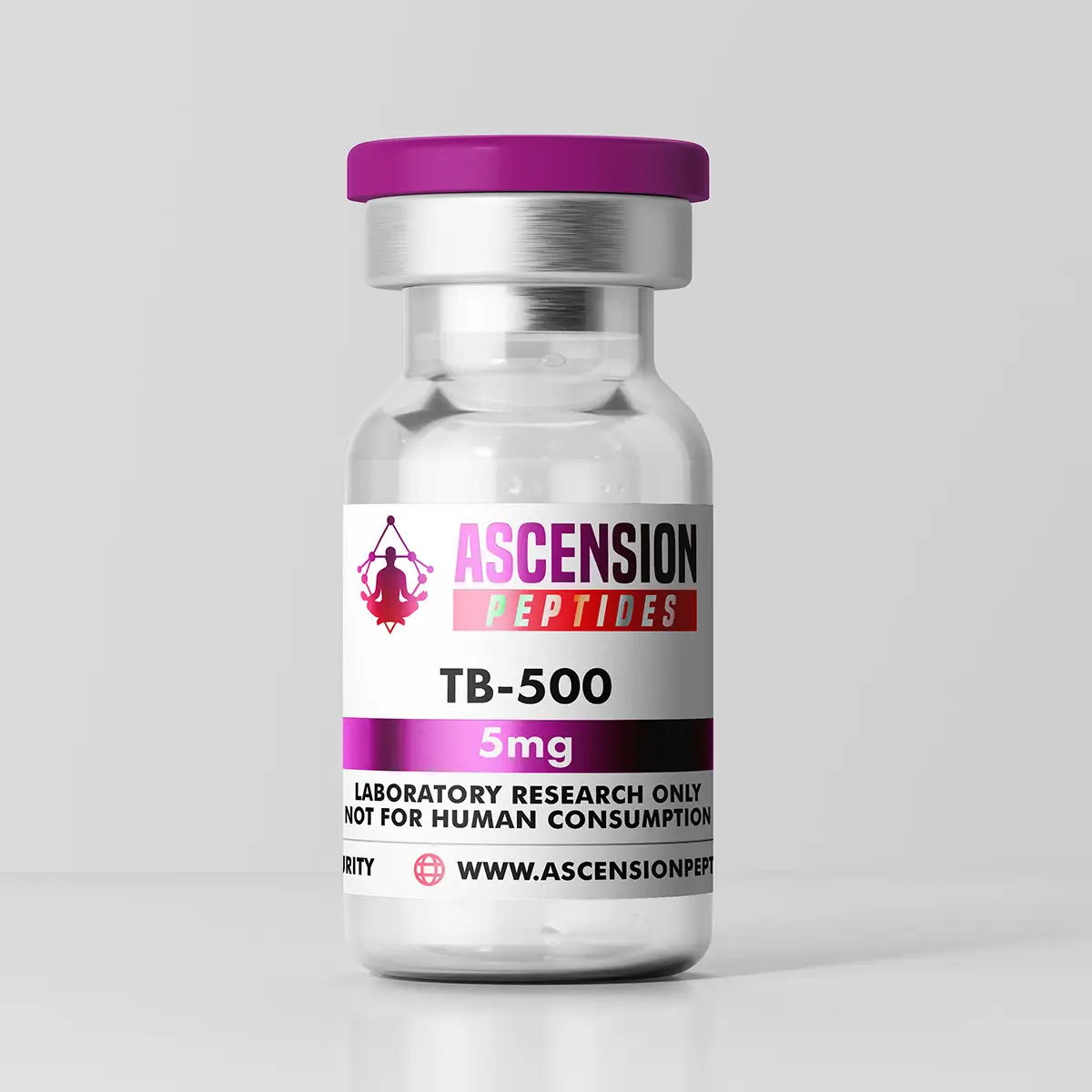
If you need a vendor reference, Ascension Peptides lists TB-500 5mg here. Quality matters because underdosed or poorly handled peptides make both the effectiveness and side-effect picture harder to interpret.