Semaglutide vs Tirzepatide for Weight Loss: Which One Actually Wins?
Both are GLP-1 receptor agonists. Both work. But they're not the same — and the head-to-head data shows a clear winner. Here's a full breakdown of how they differ, what the trials show, and which one to choose.

Both semaglutide and tirzepatide are GLP-1 receptor agonists used in weight loss research. Both work. Both have strong clinical data. But they're not the same compound, and the differences matter — especially if you're deciding which to start or considering switching.
Short version: tirzepatide tends to produce more weight loss on average. But that's not the whole story. Let's actually look at the mechanisms, the data, and the practical tradeoffs.
🔑 Key Takeaways
- Tirzepatide is a dual GLP-1/GIP agonist; semaglutide is GLP-1 only
- Head-to-head data shows tirzepatide produces ~47% more weight loss than semaglutide on average
- Semaglutide has a longer track record and more published long-term safety data
- Side effect profiles are similar — both primarily GI-related and dose-dependent
- Tirzepatide is generally the better choice for maximum weight loss; semaglutide remains an excellent option
The Core Difference
This is where the two compounds genuinely diverge.
Semaglutide activates one receptor: GLP-1 (glucagon-like peptide-1). It mimics a gut hormone your body naturally releases after eating, binding to GLP-1 receptors in the brain and gut to suppress appetite, slow gastric emptying, and improve insulin signaling.
Tirzepatide activates two receptors: GLP-1 and GIP (glucose-dependent insulinotropic polypeptide). It's described as a "twincretin" because it combines the mechanisms of two distinct incretin hormones. GIP was originally thought to promote fat storage — so the finding that GIP agonism actually enhances weight loss when paired with GLP-1 agonism was genuinely surprising to researchers when the early data came in.
So at a structural level: semaglutide is a single-target compound, tirzepatide is a dual-target compound. That's not inherently better or worse — it depends entirely on what the second target does. In this case, it appears to add meaningful weight loss on top of what GLP-1 agonism alone achieves.
How Each Works
Semaglutide's mechanism:
- GLP-1 receptor activation in the hypothalamus → reduced hunger signals
- Delayed gastric emptying → prolonged satiety after meals
- Reduced reward value of high-calorie foods (dopaminergic pathway blunting)
- Glucose-dependent insulin stimulation → better blood sugar control
Tirzepatide's mechanism:
- All of the above (GLP-1 arm), plus:
- GIP receptor activation in the CNS → additional satiety signaling, independent of the GLP-1 pathway
- GIP effects on adipose tissue → may enhance fat mobilization and improve energy partitioning
- Synergistic effect between GLP-1 and GIP pathways → outcomes greater than either alone
The practical upshot: tirzepatide reaches appetite suppression through two independent doors. That's why even people who've plateaued on GLP-1-only approaches sometimes respond differently to tirzepatide.
Weight Loss Results: What the Data Shows
This is where things get concrete. Both compounds have strong data from large, well-designed randomized controlled trials.
Semaglutide (STEP trials): At 2.4mg weekly over 68 weeks, average weight loss was 14.9% of body weight. That's from STEP 1 — one of the landmark trials establishing semaglutide's obesity indication.
Tirzepatide (SURMOUNT trials): At 15mg weekly over 72 weeks, average weight loss was 22.5% of body weight. Even at the 5mg dose, average loss was 15% — comparable to semaglutide's maximum dose performance.
And there's head-to-head data. The SURMOUNT-5 trial directly compared tirzepatide to semaglutide in people with obesity, and tirzepatide produced approximately 47% greater weight loss. Not 47% total weight loss — 47% more weight loss than semaglutide. That's a meaningful clinical difference, not a marginal one.
Semaglutide Average Loss
~14.9% body weight over 68 weeks at 2.4mg/week (STEP 1)
Tirzepatide Average Loss
~22.5% body weight over 72 weeks at 15mg/week (SURMOUNT-1)
Head-to-Head
Tirzepatide produced ~47% more weight loss than semaglutide in SURMOUNT-5 direct comparison
That said — 14.9% weight loss is genuinely excellent. For someone at 220 lbs, that's ~33 lbs. If semaglutide is accessible and tirzepatide isn't, semaglutide is still a strong option by any clinical standard.
Side Effect Profiles Compared
Both compounds share the same class of side effects — primarily GI, primarily dose-dependent, primarily improving over time. There's more similarity here than difference.
Shared side effects:
- Nausea (most common in both, especially during escalation)
- Vomiting
- Diarrhea / constipation
- Reduced appetite beyond what's comfortable early on
- Fatigue, injection site reactions
- Class-level rare risks: pancreatitis, gallbladder issues, thyroid C-cell concerns
Comparing tolerability between the two is tricky because dose scales are different. But from trial data and practical experience, tirzepatide is generally considered comparably tolerated to semaglutide — some people find it slightly more manageable, others slightly less.
One thing tirzepatide users sometimes report: the GIP component may cause slightly different satiety sensations — more of a "not interested in food at all" effect rather than the nausea-adjacent "can't eat" feeling some people experience on semaglutide at equivalent phases. This is anecdotal and not well-characterized in trials, but worth noting as you interpret your own response.
💡 Pro Tip
If you switched from semaglutide to tirzepatide because of nausea, don't assume tirzepatide will be better — and vice versa. Start tirzepatide fresh at 2.5mg regardless of where you were on semaglutide. Give the GI adaptation process time.
Dosing Protocols Compared
Both use once-weekly subcutaneous injection. The escalation schedules differ.
| Phase | Semaglutide Dose | Tirzepatide Dose | Duration |
|---|---|---|---|
| Phase 1 | 0.25mg | 2.5mg | 4 weeks |
| Phase 2 | 0.5mg | 5mg | 4 weeks |
| Phase 3 | 1.0mg | 7.5mg | 4 weeks |
| Phase 4 | 1.7mg | 10mg | 4 weeks |
| Max Dose | 2.4mg | 15mg (via 12.5mg) | Ongoing |
Note that tirzepatide has more escalation steps (6 vs. 5 for semaglutide), and the dose numbers look very different because the compounds have different potency ratios — you can't compare 2.4mg semaglutide to 2.4mg tirzepatide as equivalent. The effective dose ranges are just structured differently.
Both can be maintained at sub-maximum doses if you're achieving good results with fewer side effects. There's no requirement to push to the ceiling.
Which One Is Right for You?
Honest take: if your primary goal is maximum weight loss and you have access to both, tirzepatide is the stronger compound by the data. The 47% advantage in head-to-head comparison is real and clinically meaningful.
But "the better compound" isn't the only variable. Here's a more practical breakdown:
Choose tirzepatide if:
- Maximum weight loss is the primary objective
- You've tried semaglutide and plateaued or had a suboptimal response
- You're starting fresh and want the compound with the strongest efficacy data
- You're dealing with significant metabolic issues (insulin resistance, high HbA1c)
Choose semaglutide if:
- You want the compound with the longer safety track record
- You've had good results on semaglutide already and don't want to change
- Access or cost is a factor and semaglutide fits your situation better
- You want to start with the single-mechanism approach before trying dual agonism
Both are legitimate options. Neither is "wrong." The data just favors tirzepatide on the weight loss outcome specifically.
Where to Source Both for Research
Research-grade versions of both compounds are available through licensed peptide suppliers. Quality matters — both are peptides that require proper synthesis, storage, and handling to maintain activity.
For tirzepatide, Ascension Peptides carries T-10 (10mg), which is one of the better-documented research tirzepatide sources available:
→ View Tirzepatide (T-10) on Ascension Peptides
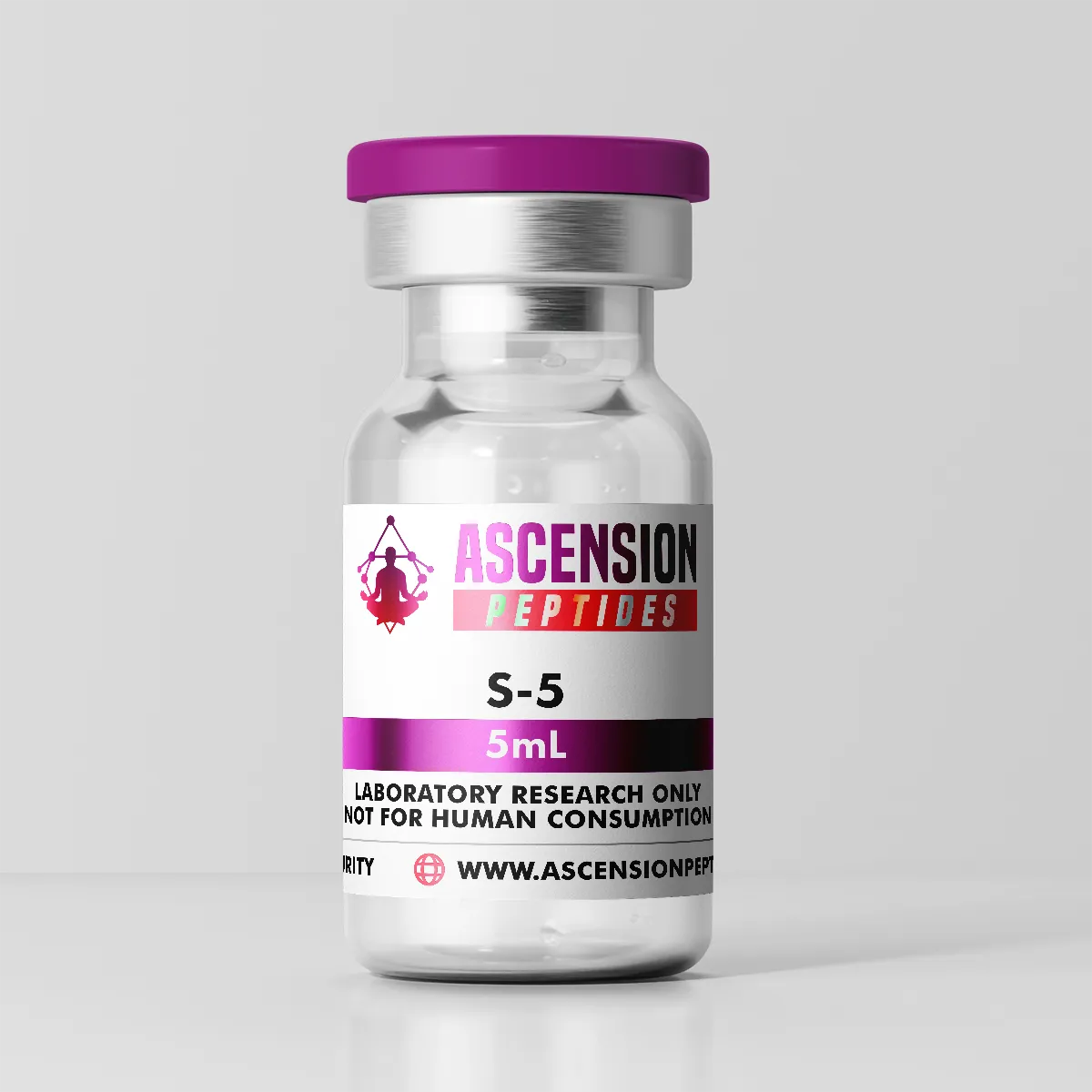
For semaglutide, Ascension Peptides' S-5 (5mg) is the corresponding option:
→ View Semaglutide (S-5) on Ascension Peptides
💡 Pro Tip
Both compounds require proper reconstitution and cold storage. If you're new to working with lyophilized peptides, verify you have bacteriostatic water for reconstitution and appropriate storage conditions (typically 2–8°C after reconstitution). Stability is maintained longer as a powder than after reconstitution.