Whether you're heading on vacation, traveling for work, or visiting family across the country, maintaining your peptide routine while traveling can seem daunting. The good news? With proper preparation, traveling with peptides is straightforward and hassle-free.
This comprehensive guide covers everything you need to know—from TSA regulations and proper packing techniques to keeping your peptides temperature-stable and handling international travel requirements.
🔑 Key Takeaways
- TSA allows injectable medications and peptides in carry-on luggage
- Medical liquids are exempt from the 3.4oz/100ml limit
- Always carry peptides in your carry-on—never check temperature-sensitive medications
- A prescription or doctor's letter isn't required but is strongly recommended
- Use an insulated cooling case to maintain proper temperature
TSA Rules for Traveling with Peptides
The Transportation Security Administration (TSA) has clear guidelines for traveling with injectable medications, and peptides fall under these regulations. Understanding these rules before you travel will help you breeze through security without delays or complications.
What TSA Allows
According to TSA's official guidelines for medically necessary liquids, you're permitted to bring:
- Injectable medications in quantities greater than 3.4oz/100ml
- Syringes and needles when accompanied by injectable medication
- Unused syringes when properly capped
- Sharps containers for used needle disposal
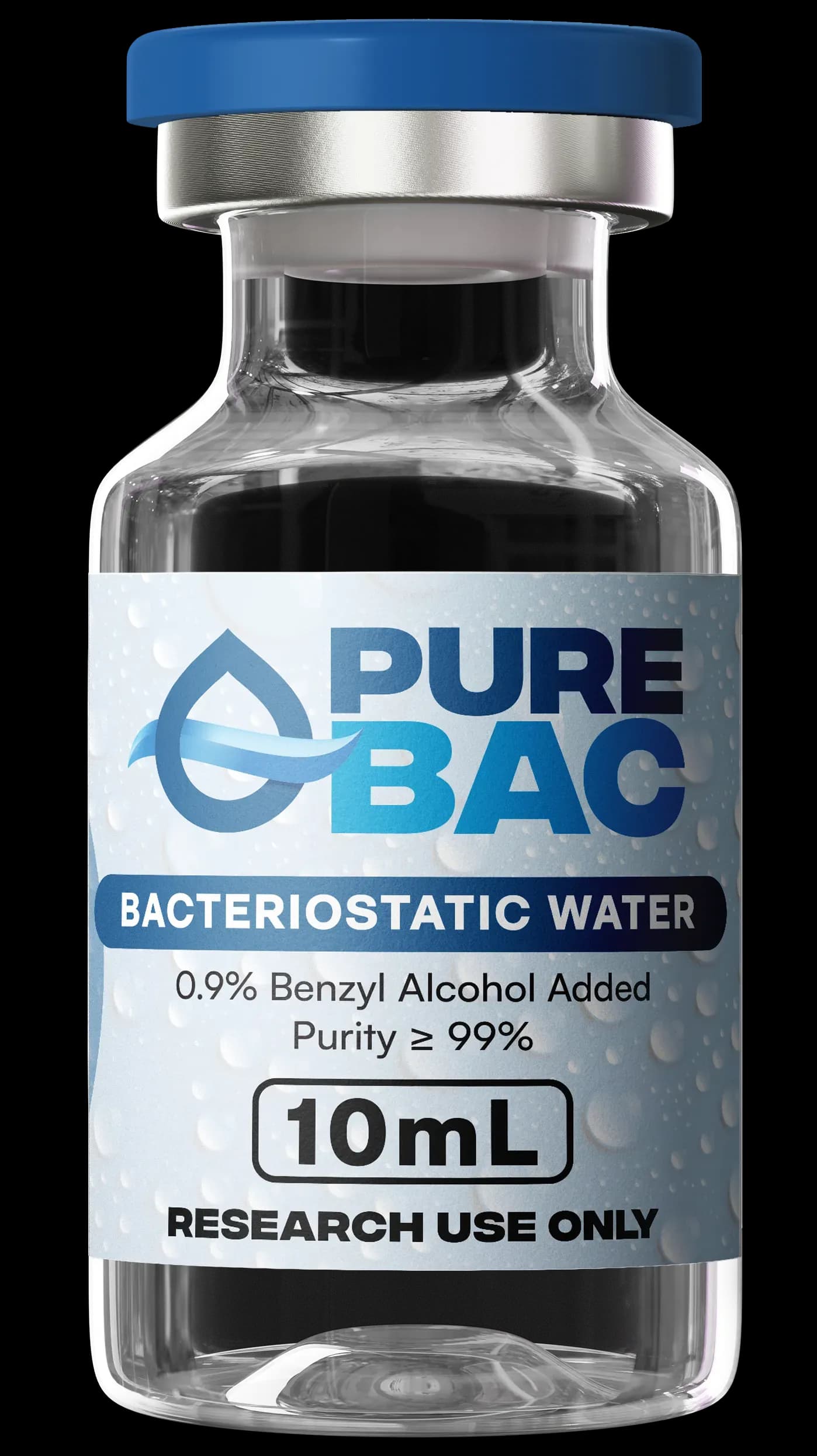
- Bacteriostatic water and diluents for reconstitution
- Ice packs, freezer packs, or gel packs to keep medications cold (frozen or partially frozen)
The Declaration Process
When you reach the security checkpoint:
Inform the TSA Officer
Before your bag goes through the X-ray, tell the officer you have medically necessary liquids, syringes, or injectable medications.
Separate Your Medical Supplies
Remove your medication bag or cooling case from your carry-on and place it in a separate bin for screening.
Be Prepared for Additional Screening
TSA may test liquids using a test strip or visual inspection. This takes only a minute or two.
Required vs. Recommended Documentation
While TSA doesn't legally require documentation for medications, having proper paperwork makes your travel experience smoother and is essential for international trips.
What to Bring
Prescription Label
Keep vials in original labeled packaging when possible, showing your name and the medication.
Doctor's Letter
A letter from your prescribing physician explaining your medical need and listing all medications.
Pharmacy Documentation
Pharmacy receipt or printed medication list showing prescribed items and dosages.
Pro Tip
Keep a digital copy of all documentation on your phone and a printed copy in your medical bag. If something gets lost, you'll have backup.
How to Pack Peptides for Travel
Proper packing ensures your peptides remain stable and effective throughout your journey. Temperature control is the most critical factor—most peptides degrade when exposed to heat or repeated temperature fluctuations.
Temperature Requirements
Essential Travel Gear
Investing in proper travel gear protects your peptides and makes the process easier:
- Insulated medication case: Look for cases designed for insulin or injectable medications with space for vials, syringes, and ice packs
- Reusable gel packs: TSA allows frozen or partially frozen gel packs with medical supplies—freeze them the night before travel
- Small sharps container: For safe needle disposal during your trip
- Alcohol swabs: Pre-packaged sterile wipes for injection site preparation
- Extra syringes: Pack more than you need in case of drops or contamination
Packing Strategy
Create a Dedicated Medical Bag
Use a clearly identifiable bag or case for all medical supplies. This makes security screening faster and keeps everything organized.
Wrap Vials for Protection
Use bubble wrap or small towels around glass vials to prevent breakage. Never pack loose vials that can bump together.
Organize by Accessibility
Keep items you'll need to show TSA (vials, syringes) easily accessible. Store backup supplies deeper in the bag.
Carry Documentation Together
Keep prescription labels, doctor's letters, and pharmacy documentation in the same bag as your medications.
Keeping Peptides Cold During Travel
For reconstituted peptides that require refrigeration, maintaining the cold chain is essential. Here's how to keep your peptides at the right temperature throughout your journey:
Short Flights (Under 6 Hours)
- Pre-freeze gel packs overnight before travel
- Use a quality insulated medication case
- Most insulated cases maintain temperature for 8-12 hours with frozen gel packs
- Upon arrival, refrigerate immediately
Long Flights or Layovers
- Consider bringing extra gel packs to rotate
- Ask airport lounges if they have ice available
- Some airports have medical cooler services—research your connections in advance
- Hotels will provide ice immediately upon check-in if requested
International Travel Considerations
Traveling internationally with peptides requires additional preparation. Regulations vary significantly between countries, and what's perfectly legal at home may be restricted or require special permits abroad.
Before You Go
- Research your destination's regulations: Contact the embassy or consulate of your destination country to understand their rules on importing medications
- Get comprehensive documentation: International customs may require more detailed proof than TSA—get a letter on your doctor's letterhead with their contact information
- Check quantity limits: Many countries limit how much medication you can bring (often 90 days' supply)
- Understand language barriers: Consider having your documentation translated if traveling to a country where English isn't widely spoken
At International Customs
- Declare all medications when entering a new country
- Keep all medications in original packaging with labels
- Have documentation readily available for inspection
- Be honest and straightforward with customs officers
- Allow extra time for potential questioning or inspection
Countries with Stricter Regulations
Some regions are known for stricter medication import rules:
- Middle East: Many Gulf countries have strict pharmaceutical import regulations
- Asia: Countries like Japan, South Korea, and Singapore have specific documentation requirements
- Russia: Requires advance notification and documentation for many medications
Pro Tip
For extended international travel, consider shipping peptides to your destination through a licensed international pharmacy or arranging with your provider for a local prescription. This can be simpler than navigating complex import rules.
Staying on Schedule While Traveling
Time zone changes and travel disruptions can throw off your peptide routine. Here's how to stay consistent:
Handling Time Zone Changes
If your peptide is time-sensitive (like growth hormone secretagogues that work best at specific times):
- For short trips (1-3 days): Consider staying on your home time zone schedule
- For longer trips: Gradually shift your dosing time by 1-2 hours per day until you're on local time
- Set phone reminders: Use alarms to remind you of dosing times, especially when jet-lagged
What If You Miss a Dose?
Reconstituting on the Road
If you need to reconstitute peptides during your trip:
- Ensure you have a clean, well-lit workspace
- Use alcohol swabs to sanitize vial tops
- Take your time—rushing increases the chance of contamination or errors
- Store reconstituted peptides in the hotel refrigerator immediately
Frequently Asked Questions
Travel Checklist
Before your next trip with peptides, make sure you have:
- ☐ Peptides in insulated travel case
- ☐ Frozen gel packs (freeze overnight before travel)
- ☐ Sufficient syringes (plus extras)
- ☐ Alcohol swabs
- ☐ Bacteriostatic water (if needed for reconstitution)
- ☐ Small sharps container
- ☐ Doctor's letter or prescription documentation
- ☐ Pharmacy receipts or medication list
- ☐ Digital backup copies of all documentation
- ☐ Contact info for your prescribing provider
🔑 Final Summary
- TSA allows peptides and injectable medications—just declare them at security
- Always carry peptides in your carry-on with proper temperature control
- Documentation isn't required but makes everything easier
- Research international requirements before traveling abroad
- A little preparation means stress-free travel with your peptides