Peptides have emerged as some of the most significant tools in weight management research, with several now FDA-approved for obesity treatment. From GLP-1 receptor agonists like semaglutide to growth hormone secretagogues and metabolic enhancers, the landscape of weight loss peptides offers multiple mechanisms and approaches.
This guide examines the most effective peptides for fat loss based on clinical research, covering how they work, what the science shows, and important considerations for each compound.
🔑 Key Takeaways
- GLP-1 agonists (semaglutide, tirzepatide) show the strongest clinical evidence with 15-25% body weight reductions
- Growth hormone secretagogues offer modest fat loss with additional muscle-preserving benefits
- Different peptide classes work through distinct mechanisms and can complement each other
- Most effective results come from combining peptides with proper nutrition and exercise
How Weight Loss Peptides Work
Weight loss peptides operate through several distinct mechanisms, targeting different pathways in metabolism, appetite regulation, and body composition. Understanding these mechanisms helps clarify why certain peptides are more effective for specific goals.
Appetite Suppression
GLP-1 agonists reduce hunger signals and increase satiety through brain receptor activation.
Metabolic Enhancement
Growth hormone peptides increase fat oxidation and improve metabolic rate.
Body Composition
Some peptides preferentially reduce fat while preserving or building lean muscle mass.
Three Main Categories of Weight Loss Peptides
1. Incretin-Based Peptides (GLP-1/GIP Agonists)
These peptides mimic natural gut hormones that regulate insulin, glucose, and appetite. They include semaglutide, tirzepatide, and liraglutide—the most clinically validated weight loss peptides available.
2. Growth Hormone Secretagogues (GHS)
These compounds stimulate natural growth hormone release, which increases fat metabolism, particularly visceral fat. Examples include tesamorelin, CJC-1295, ipamorelin, and sermorelin.
3. Metabolic Peptides
Newer research compounds like MOTS-c and AOD-9604 target specific metabolic pathways for fat reduction without affecting appetite directly.
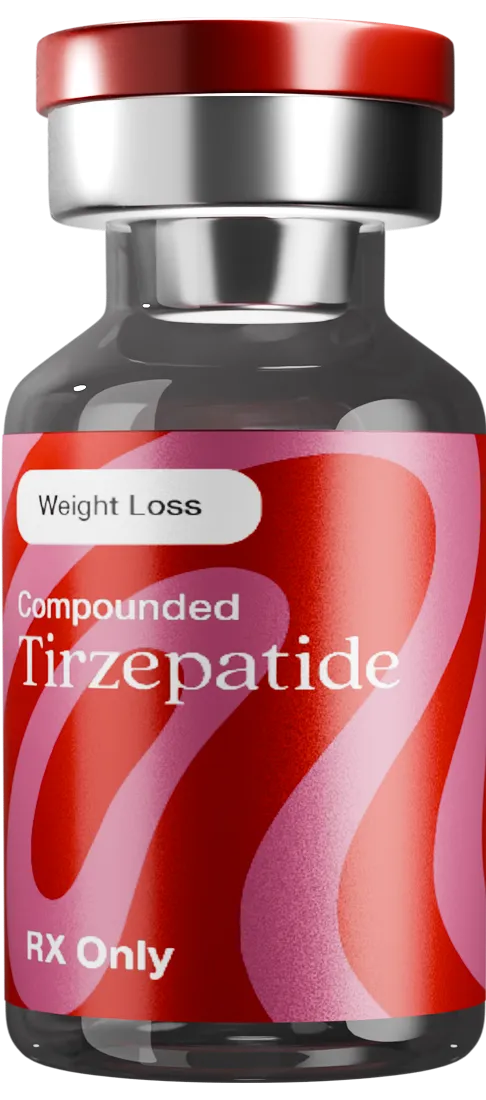
1. Tirzepatide: The Most Powerful Weight Loss Peptide
Tirzepatide (Mounjaro/Zepbound) represents the current gold standard in weight loss peptides. As a dual GLP-1/GIP receptor agonist, it activates two complementary pathways for enhanced metabolic effects.
Clinical Evidence
The SURMOUNT-1 trial demonstrated unprecedented results: participants on the highest dose (15mg weekly) achieved an average weight loss of 22.5% over 72 weeks. Approximately 63% of participants lost over 20% of their body weight—results previously only seen with bariatric surgery.
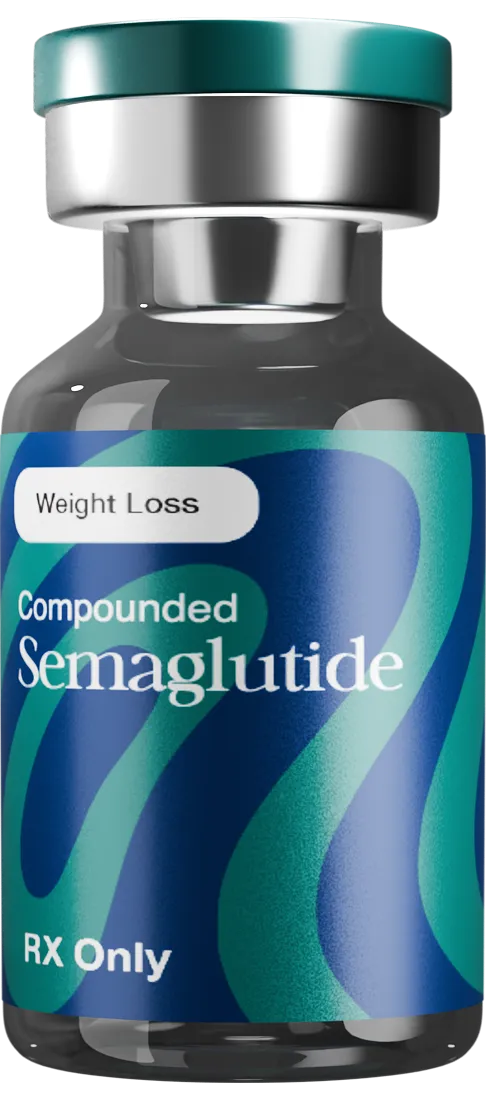
2. Semaglutide: The Proven Standard
Semaglutide (Wegovy/Ozempic) remains one of the most extensively studied weight loss peptides. FDA-approved specifically for chronic weight management, it set the standard before tirzepatide's emergence.
Clinical Evidence
The STEP trials showed semaglutide 2.4mg weekly produced average weight loss of 15-17% over 68 weeks. The SELECT cardiovascular outcomes trial also demonstrated a 20% reduction in major cardiovascular events, adding cardioprotective benefits beyond weight loss.
Pro Tip
Oral semaglutide (Rybelsus) is available for those who prefer daily pills over weekly injections, though weight loss efficacy is somewhat reduced compared to injectable forms.
3. Tesamorelin: The Visceral Fat Specialist
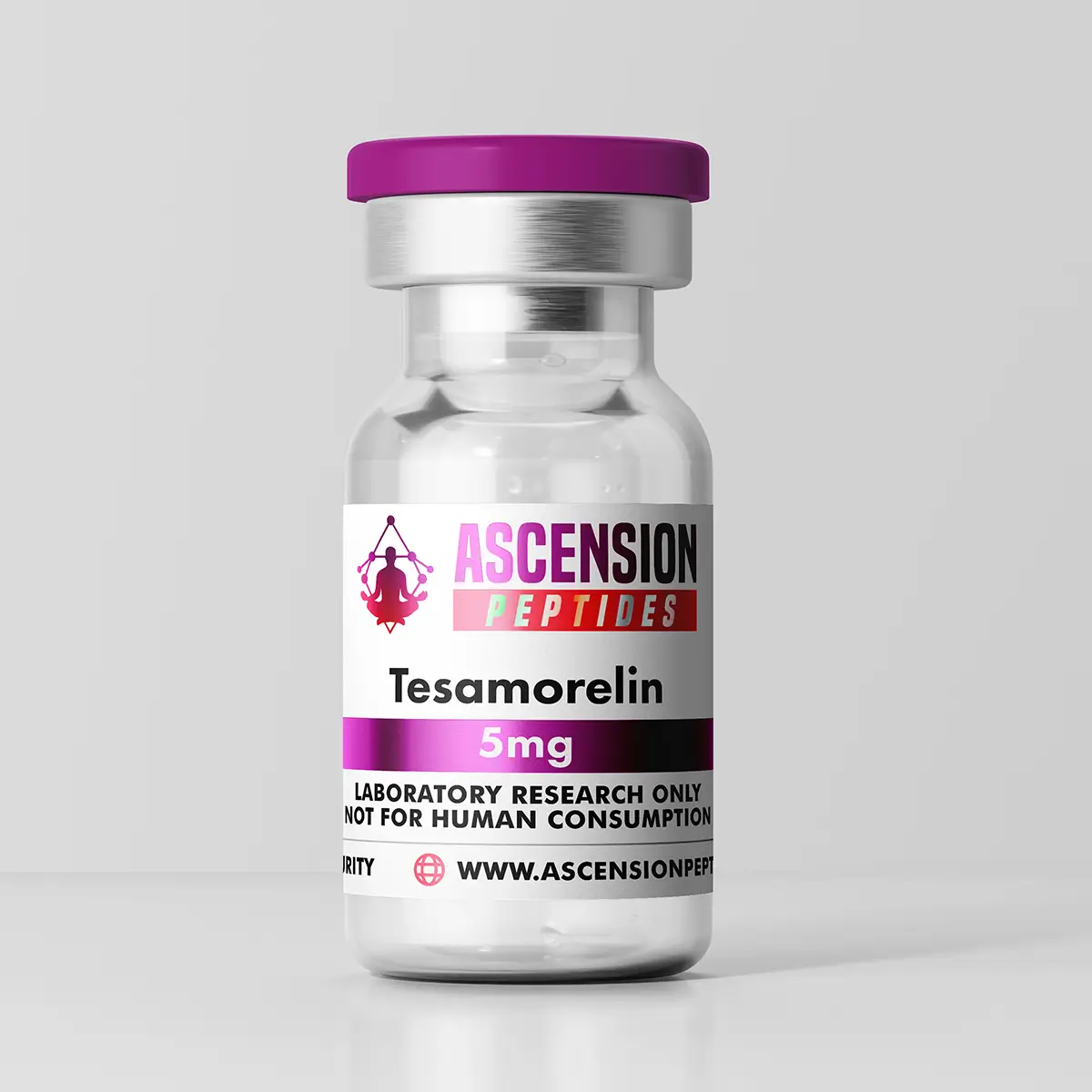
Tesamorelin is FDA-approved for reducing lipodystrophy-associated abdominal fat. As a growth hormone-releasing hormone (GHRH) analog, it stimulates natural GH production, specifically targeting dangerous visceral adipose tissue.
Clinical Evidence
Clinical trials demonstrated 18% reduction in visceral adipose tissue over 26 weeks. Unlike GLP-1 agonists, tesamorelin preserves lean muscle mass while reducing fat—beneficial for body composition goals beyond scale weight.
4. CJC-1295 + Ipamorelin: The Research Stack
This combination pairs CJC-1295 (a GHRH analog) with ipamorelin (a ghrelin mimetic) to stimulate growth hormone release through complementary pathways. Popular in research settings for body recomposition.
Research Profile
CJC-1295 with DAC (Drug Affinity Complex) extends half-life for sustained GH elevation, while ipamorelin provides pulsatile GH release without affecting cortisol or prolactin. Together, they create a more physiological GH pattern than either alone.
5. Liraglutide: The Established GLP-1
Liraglutide (Saxenda/Victoza) was the first GLP-1 agonist approved specifically for weight management. While it requires daily injection and produces less dramatic results than newer options, it has the longest safety track record.
Clinical Evidence
The SCALE trials showed approximately 8% average weight loss over 56 weeks. Nearly 63% of participants lost at least 5% of body weight, with additional benefits for blood pressure and cholesterol.
6. MOTS-c: The Mitochondrial Peptide
MOTS-c is an endogenous peptide encoded in mitochondrial DNA that regulates metabolic homeostasis. Research suggests it acts as an "exercise mimetic," activating similar pathways to physical activity.
Research Profile
Animal studies show MOTS-c prevents diet-induced obesity and improves insulin sensitivity. It activates AMPK (the cellular energy sensor also activated by exercise and metformin) and enhances glucose uptake in skeletal muscle.

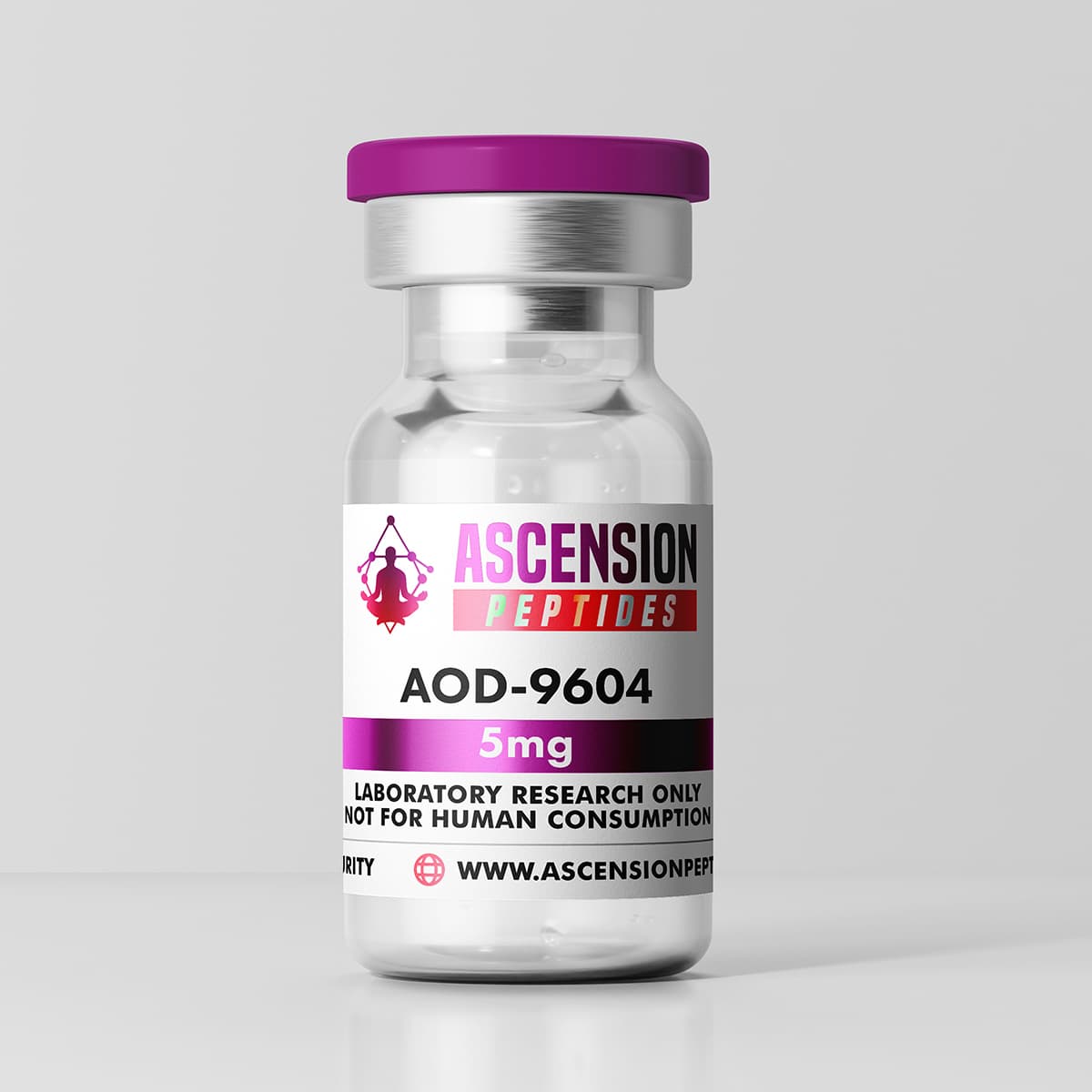
7. AOD-9604: The HGH Fragment
AOD-9604 is a modified fragment of human growth hormone (amino acids 177-191) that retains fat-burning properties without affecting blood sugar or promoting cell proliferation.
Research Profile
Studies suggest AOD-9604 stimulates lipolysis (fat breakdown) and inhibits lipogenesis (fat formation) without the potential side effects of full growth hormone. It's approved in some countries as a food ingredient but not as a pharmaceutical.
8. Sermorelin: The Gentle GH Stimulator
Sermorelin is a 29-amino acid GHRH analog that stimulates natural growth hormone production. It's often used as a gentler alternative to direct GH administration or stronger secretagogues.
Clinical Evidence
Studies show sermorelin increases GH levels and IGF-1 while improving body composition, particularly in GH-deficient individuals. Effects on fat loss are modest but may be enhanced when combined with lifestyle interventions.
Peptide Comparison Chart
Effective Peptide Combinations
Different peptide classes can work synergistically when combined appropriately. Here are evidence-informed stacking approaches:
GLP-1 + GH Secretagogue
Combining semaglutide or tirzepatide with tesamorelin or CJC-1295/ipamorelin may help preserve muscle mass during aggressive weight loss. GLP-1s excel at appetite control and overall weight reduction, while GH peptides support lean tissue preservation.
CJC-1295 + Ipamorelin
The classic GH secretagogue stack. CJC-1295 provides sustained GH elevation while ipamorelin adds pulsatile release, mimicking more natural GH patterns than either alone.
Realistic Timeline for Results
Weeks 1-4: Initial Adaptation
Appetite changes become noticeable with GLP-1 agonists. GH secretagogues may improve sleep and energy. Early weight loss often includes water weight.
Weeks 4-12: Acceleration Phase
Consistent weight loss establishes. Most people lose 1-2 lbs/week on GLP-1 agonists. Body composition changes become visible.
Months 3-6: Optimization
Weight loss continues but may slow. Metabolic adaptations occur. This is when combining with exercise becomes particularly important.
Beyond 6 Months: Maintenance
Maximum weight loss typically achieved by 12-18 months. Focus shifts to maintaining results and optimizing long-term metabolic health.
Side Effects and Risks
GLP-1 Agonist Side Effects
- Gastrointestinal: Nausea, vomiting, diarrhea, constipation (most common, usually improve over time)
- Injection site reactions: Redness, swelling, itching
- Rare but serious: Pancreatitis, gallbladder disease, potential thyroid tumor risk (boxed warning)
- Muscle loss: Rapid weight loss can include lean tissue; protein intake and resistance training help mitigate
Growth Hormone Secretagogue Side Effects
- Water retention and joint stiffness
- Increased hunger (especially with ghrelin mimetics)
- Carpal tunnel symptoms at high doses
- Potential effects on insulin sensitivity
- Theoretical concerns about cell proliferation (though secretagogues raise GH less than exogenous GH)
- History of pancreatitis
- Personal or family history of medullary thyroid cancer or MEN 2 syndrome (for GLP-1s)
- Active cancer or history of certain cancers (for GH-related peptides)
- Pregnancy or breastfeeding
- Severe gastrointestinal disease
Optimizing Peptide Efficacy
Protein Priority
Consume 1.2-1.6g protein per kg body weight to preserve muscle during weight loss.
Resistance Training
Essential for maintaining lean mass. 2-3 sessions weekly minimum.
Sleep Optimization
GH secretion peaks during sleep. 7-9 hours supports metabolic health.
Lifestyle Factors That Enhance Results
- Don't rely on appetite suppression alone: Make food quality improvements while appetite is reduced
- Stay hydrated: Especially important with GLP-1 agonists that can cause GI effects
- Monitor electrolytes: Rapid weight loss can deplete minerals
- Plan for maintenance: Develop sustainable habits before discontinuing peptides