Recovering from surgery requires your body to orchestrate a complex healing response—closing wounds, regenerating tissue, fighting infection, and restoring function. While standard post-operative care focuses on rest, medication, and physical therapy, researchers have been investigating how certain peptides might support and accelerate this natural healing process.
This guide examines the peptides currently under investigation for post-surgical applications, what the research shows, and important considerations for anyone interested in this emerging area of regenerative science.
🔑 Key Takeaways
- BPC-157 and TB-500 are the most researched peptides for tissue healing and recovery
- Research suggests peptides may accelerate wound healing, reduce inflammation, and support tissue regeneration
- Timing and administration protocols vary by surgery type and recovery phase
- Always consult with your surgeon before considering any supplemental therapies
How the Body Heals After Surgery
Post-surgical healing occurs in four overlapping phases, each presenting opportunities for peptide-based support:
Hemostasis (Minutes to Hours)
Blood clotting and initial wound closure. Growth factors and platelets establish the foundation for healing.
Inflammation (Days 1-5)
Immune cells clear debris and fight infection. Controlled inflammation is essential, but excessive inflammation impairs healing.
Proliferation (Days 4-21)
New tissue formation, collagen deposition, and blood vessel growth (angiogenesis). This is where most peptide research focuses.
Remodeling (Weeks to Months)
Tissue maturation and scar strengthening. Collagen reorganizes for optimal function.
Peptides under investigation for surgical recovery typically target the proliferation and remodeling phases, promoting faster tissue regeneration and improved wound strength.
Best Peptides for Post-Surgery Healing
1. BPC-157 (Body Protection Compound-157)
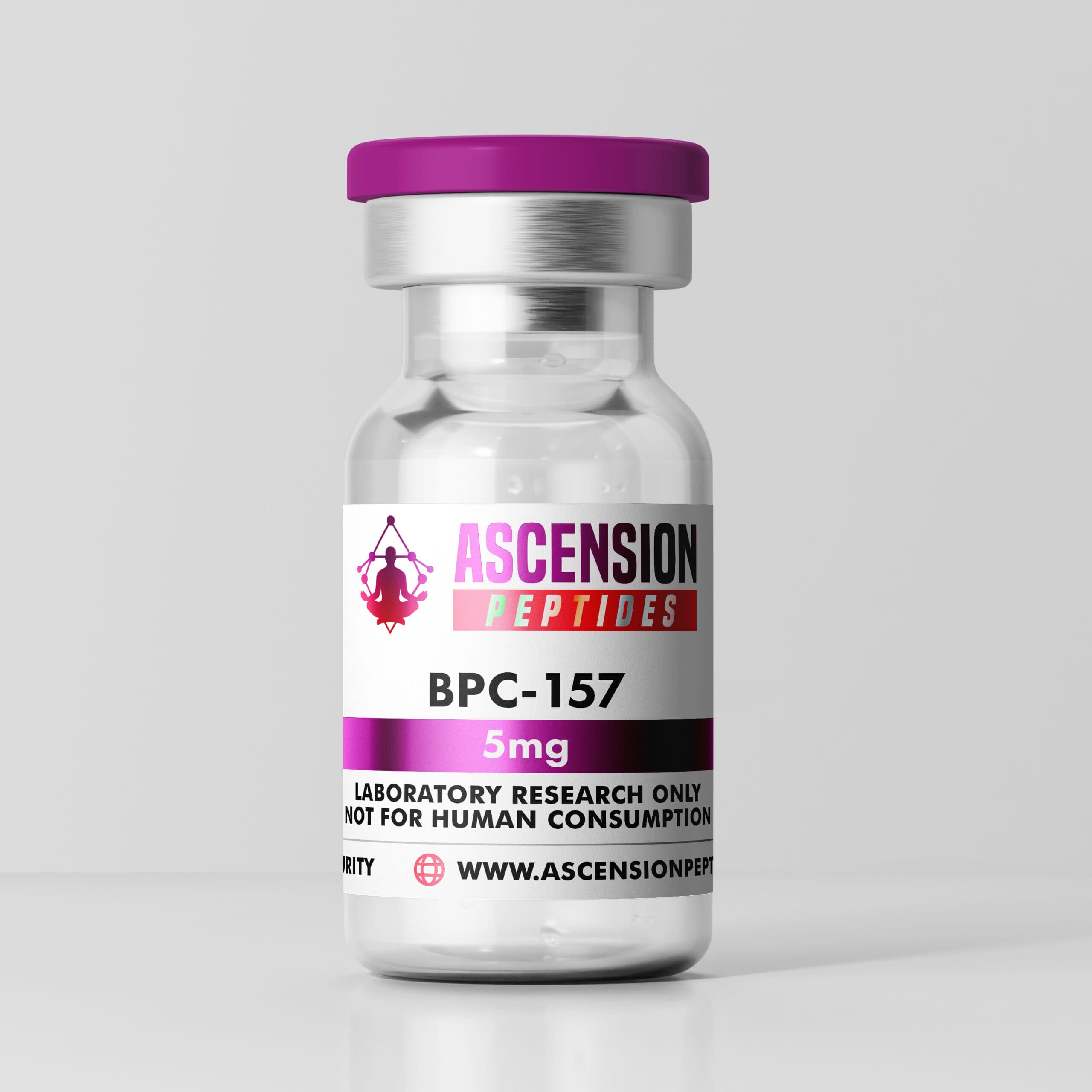
BPC-157 stands out as the most extensively studied peptide for tissue healing applications. This 15-amino acid peptide, derived from a protective protein in human gastric juice, has demonstrated remarkable regenerative effects across numerous tissue types in animal studies.
Wound Healing
Accelerates skin wound closure and reduces scarring in animal models.
Connective Tissue
Enhances tendon, ligament, and muscle repair with improved biomechanical strength.
Angiogenesis
Promotes new blood vessel formation, improving nutrient delivery to healing tissues.
Research Applications: Orthopedic surgery recovery, abdominal surgery healing, tendon/ligament reconstruction, gastric surgery protection.
2. TB-500 (Thymosin Beta-4)
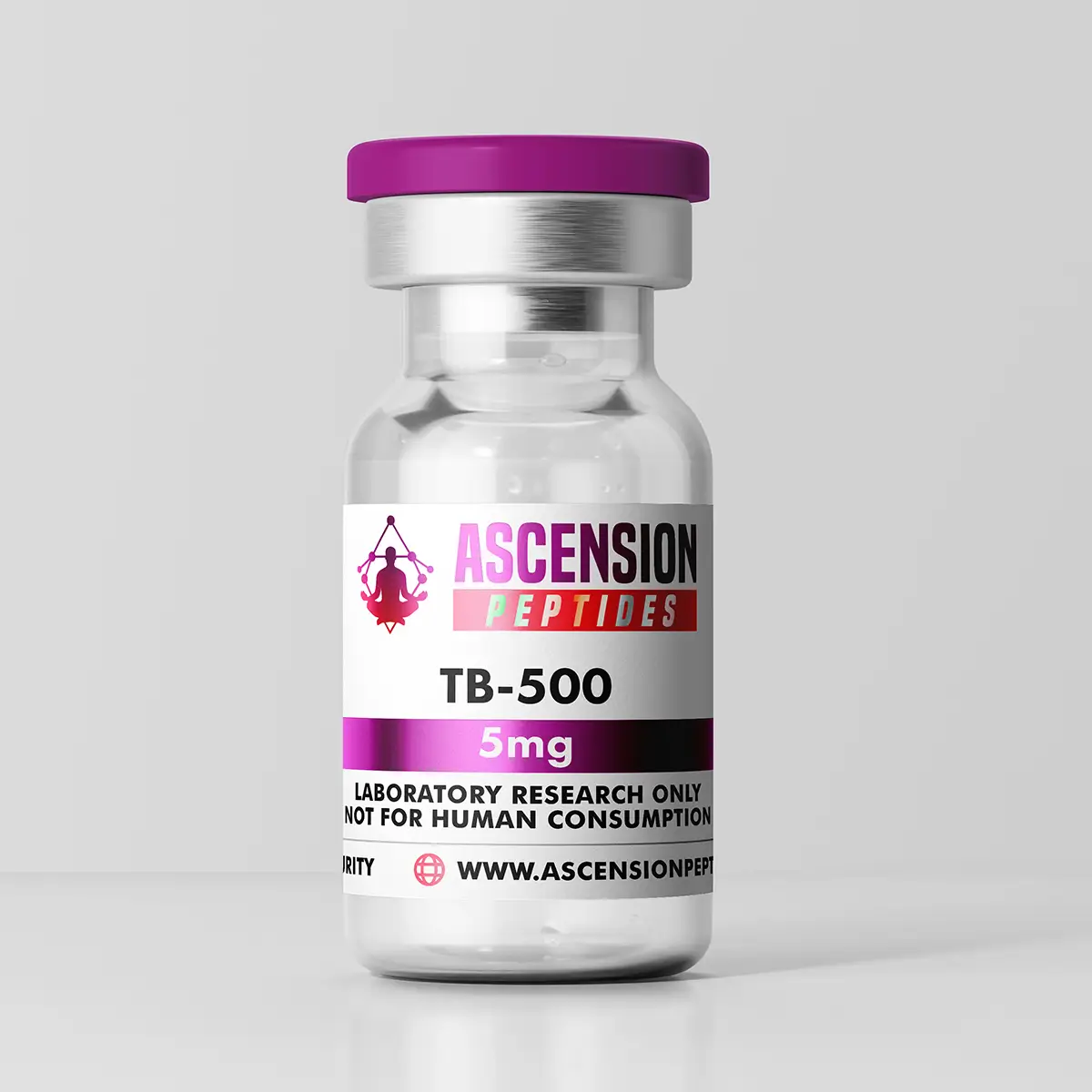
TB-500 is a synthetic version of the naturally occurring thymosin beta-4, a 43-amino acid peptide found in nearly all human cells. Its role in wound healing has been studied since the 1980s, with research showing effects on cell migration, differentiation, and tissue repair.
TB-500's primary mechanism involves binding to actin, a protein crucial for cell structure and movement. By sequestering actin monomers, TB-500 promotes cell migration to wound sites—essential for effective surgical recovery.
Key Research Findings:
- Enhanced corneal wound healing in eye surgery research
- Accelerated dermal wound closure with reduced inflammation
- Improved cardiac tissue repair after myocardial injury
- Anti-inflammatory effects that may reduce post-surgical swelling
3. GHK-Cu (Copper Peptide)
GHK-Cu is a naturally occurring tripeptide that combines glycyl-L-histidyl-L-lysine with copper ions. Found in human plasma, saliva, and urine, it decreases with age—from about 200 ng/ml at age 20 to 80 ng/ml by age 60.
Post-Surgery Applications:
- Plastic/Cosmetic Surgery: Promotes skin regeneration with improved texture
- Wound Healing: Attracts immune cells, supports angiogenesis, stimulates collagen remodeling
- Anti-Scarring: May help reduce hypertrophic scarring and keloid formation
- Hair Transplant: Supports follicle health and scalp healing
4. Growth Hormone Secretagogues (Ipamorelin, CJC-1295)
Growth hormone plays a crucial role in tissue repair and regeneration. For post-surgical recovery, peptides that stimulate natural GH release may support the anabolic processes needed for healing.
5. LL-37 / KPV (Antimicrobial Peptides)
Post-surgical infection is a significant risk that can severely complicate recovery. Antimicrobial peptides offer a dual benefit: fighting pathogens while modulating the immune response.
LL-37: A 37-amino acid cathelicidin with broad antimicrobial activity and wound-healing properties. Research shows it kills bacteria, promotes angiogenesis, and accelerates re-epithelialization.
KPV: A tripeptide derived from alpha-MSH with potent anti-inflammatory effects. Studies demonstrate its ability to reduce pro-inflammatory cytokines without immunosuppression—particularly relevant for abdominal and gastrointestinal surgeries.
Peptides by Surgery Type
Orthopedic Surgery (Joint Replacement, ACL Repair, Rotator Cuff)
Orthopedic procedures involve connective tissue that's notoriously slow to heal due to limited blood supply. Research focus areas include:
Primary: BPC-157
Directly promotes tendon fibroblast proliferation and collagen synthesis. Most researched for connective tissue.
Support: TB-500
Enhances cell migration and reduces inflammation, complementing BPC-157's growth factor effects.
Systemic: GH Peptides
Ipamorelin/CJC-1295 support overall protein synthesis and recovery capacity.
Abdominal Surgery (Hernia Repair, Appendectomy, Bowel Resection)
Gastrointestinal surgeries benefit from BPC-157's unique origins in gastric juice:
- BPC-157: Protects gut mucosa, promotes anastomotic healing, counters NSAID-induced GI damage
- KPV: Reduces intestinal inflammation, supports mucosal healing
- Larazotide: Tight junction modulator, reduces intestinal permeability post-surgery
Cosmetic/Plastic Surgery (Facelift, Rhinoplasty, Liposuction)
Aesthetic outcomes depend heavily on healing quality and minimal scarring:
- GHK-Cu: Primary choice for skin quality, collagen remodeling, and anti-scarring
- BPC-157: Accelerates incision healing, promotes angiogenesis
- Argireline: Post-procedure use may help maintain results in facial procedures
Cardiac Surgery
TB-500 has received particular attention for cardiac applications due to research showing myocardial protection and regeneration:
Research Protocols and Timing

While no standardized human protocols exist (peptides remain research compounds), animal study designs offer insights into optimal timing:
Pre-Surgery Phase
Some researchers advocate for "pre-loading" with peptides before surgery to prime healing mechanisms:
- 1-2 weeks before: GH secretagogues to optimize anabolic status
- 5-7 days before: BPC-157/TB-500 to upregulate growth factor receptors
- Day before: Some protocols pause to avoid any interference with surgical procedures
Immediate Post-Operative Phase (Days 1-7)
The acute healing phase is most critical. Animal studies typically initiate peptide administration immediately or within 24 hours post-injury:
Extended Recovery Phase (Weeks to Months)
For surgeries requiring prolonged recovery (joint replacements, major reconstructions), extended peptide use may support the remodeling phase:
- BPC-157: Typically used for 4-8 weeks in research protocols
- TB-500: Often "loaded" initially then reduced to maintenance
- GH Peptides: May be continued longer for systemic support
- GHK-Cu: Topical application to scars may continue for months
Combining Peptides for Surgical Recovery
Researchers often combine peptides with complementary mechanisms. Here are common research stacks:
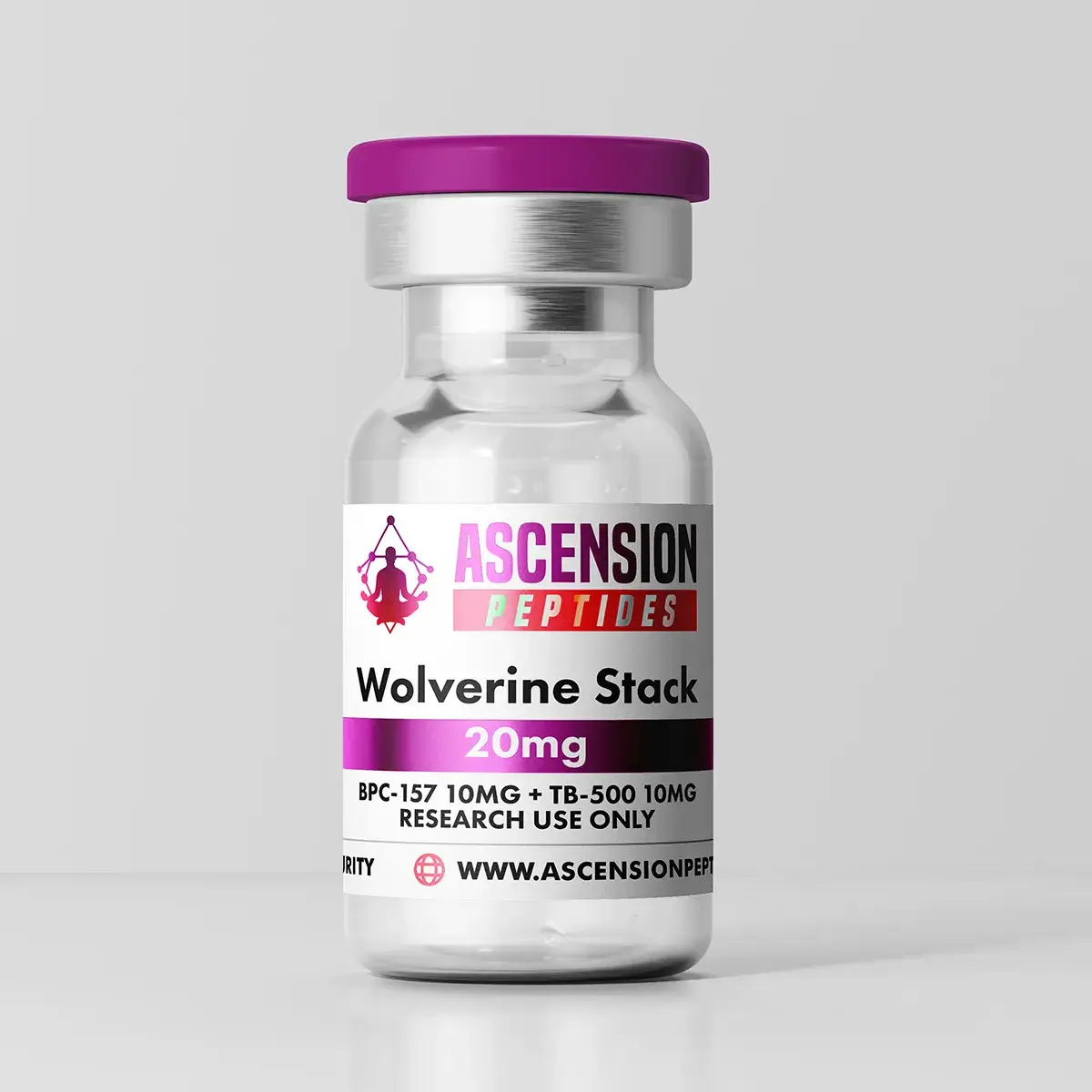
Recovery Stack: BPC-157 + TB-500
The most popular combination for tissue healing. BPC-157 provides growth factor modulation and angiogenesis while TB-500 enhances cell migration and reduces inflammation. These peptides work through different mechanisms and may produce synergistic effects.
Comprehensive Stack: BPC-157 + TB-500 + Ipamorelin/CJC-1295
Adds systemic GH support to local healing effects. The GH peptides boost protein synthesis and overall recovery capacity while the healing peptides work directly on damaged tissues.
Skin/Cosmetic Stack: GHK-Cu + BPC-157
Optimized for skin quality and minimal scarring. GHK-Cu drives collagen remodeling while BPC-157 accelerates wound closure. Often combined with topical GHK-Cu application.
Important Safety Information
- Peptides are research compounds, not FDA-approved medications
- No human clinical trials exist for most surgical recovery applications
- Theoretical risks include infection (injection site), unknown drug interactions, and interference with natural healing processes
- Always inform your surgical team about any substances you're considering
Potential Concerns
Angiogenesis Effects: While increased blood vessel formation aids healing, it could theoretically be problematic in certain contexts (e.g., cancer history, diabetic retinopathy). Discuss with your doctor.
Infection Risk: Subcutaneous injections during post-operative recovery introduce infection risk. Sterile technique is essential, and some surgeons may advise against any injections near surgical sites.
Drug Interactions: Peptides affecting blood pressure, inflammation, or growth pathways could interact with surgical medications. BPC-157's NO-modulating effects, for example, might interact with blood pressure medications.
Quality Concerns
- Only use peptides from reputable sources with third-party testing
- Verify purity (≥98%) and check for contamination
- Proper reconstitution and storage are essential—contaminated peptides could cause serious infections post-surgery
- Never use peptides that appear discolored or have particulate matter
Frequently Asked Questions
The Bottom Line on Peptides for Surgical Recovery
The research on peptides for post-surgical healing is genuinely compelling. BPC-157's multi-tissue regenerative effects, TB-500's cell migration enhancement, and GHK-Cu's collagen-promoting properties all address key aspects of surgical recovery. Combined with growth hormone secretagogues that support systemic protein synthesis, these compounds offer theoretical benefits at multiple stages of healing.
However, it's essential to maintain perspective: these remain research compounds without FDA approval or standardized human protocols. The animal studies are encouraging, but translation to human surgical recovery isn't guaranteed. Quality control, sterile technique, and timing considerations add complexity that requires careful attention.
For those interested in exploring peptides for surgical recovery:
- Communicate with your surgical team—transparency is essential for safe care
- Don't replace standard care—peptides are potential adjuncts, not replacements
- Source responsibly—quality and purity are paramount, especially post-surgery
- Start conservative—monitor for any adverse effects and adjust accordingly
- Document your experience—contribute to the growing body of anecdotal evidence
As research continues and potentially moves toward clinical trials, we may eventually see evidence-based protocols for peptide-assisted surgical recovery. Until then, informed caution and open communication with healthcare providers remain the best approach.