The anti-aging peptide space has exploded. There are dozens of compounds being used right now by people who don't want to wait for mainstream medicine to catch up — and the results are real enough that the conversation has moved from obscure forums into clinics, longevity conferences, and mainstream health media. This ranking covers the 10 best anti-aging peptides of 2026, based on human evidence, mechanism quality, and practical results reported by real users.
🔑 Key Takeaways
- GHK-Cu leads: The most studied skin and systemic regenerative peptide, with over 50 published human studies. GHK-Cu hits DNA repair, inflammation, and collagen simultaneously.
- Three new entries in 2026: SS-31 (mitochondrial protection), MOTS-C (metabolic longevity), and FOXO4-DRI (senescent cell clearance) all cracked the top 10 based on emerging evidence.
- Epithalon has the longest track record: Over 20 years of data on telomere extension, melatonin regulation, and anti-tumor effects — it's the sleeper pick that deserves more attention.
- Stacking matters: Most experienced users don't run a single peptide — they pair compounds that hit different hallmarks for additive effects.
- BPC-157 belongs on this list: Yes, it's known as a healing peptide, but its systemic anti-inflammatory and regenerative effects make it one of the most practical anti-aging tools available.
- Not all peptides are equal for your goals: The right pick depends on what you're optimizing — skin, longevity, hormones, inflammation, or mitochondrial function.
Anti-aging is a broad term. People use it to mean everything from looking younger to actually living longer. The peptides on this list work on both ends — some are visibly cosmetic, others are operating at the cellular machinery level. Understanding what each one does, and why, helps you make a smarter choice than just picking whatever has the most hype.
How We Ranked These Peptides
This isn't a "top 10 by vibes" list. Each peptide was evaluated on four criteria:
- Human evidence quality: Controlled studies, clinical trials, long-term observational data. Peptides with strong human data ranked higher than those with only mechanistic or in-vitro support.
- Mechanism specificity: Does it hit a known hallmark of aging (telomere attrition, mitochondrial dysfunction, senescent cell accumulation, etc.) or is it just a general "anti-inflammatory"? Specific mechanisms ranked higher.
- Practical usability: Can a person actually run this? Half-life, administration method, and sourcing availability all factor in.
- Real-world user outcomes: What are people with skin in the game actually reporting? Community data from long-term users matters — especially for compounds where formal trials are limited.
Three new peptides entered the top 10 for 2026: SS-31, MOTS-C, and FOXO4-DRI. They earned their spots because the evidence base around them grew substantially over the past 18 months — not because they're trendy.
Hallmarks of Aging: What Peptides Actually Target
Aging isn't one thing. The Lopez-Otin hallmarks framework (now expanded to 12 hallmarks) describes it as a convergence of cellular dysfunctions — each of which compounds the others. The best anti-aging peptides don't just slow symptoms; they address the underlying mechanisms.
Here's how the top peptides map to what's actually going wrong in aging cells:
Top 10 Best Anti-Aging Peptides of 2026, Ranked
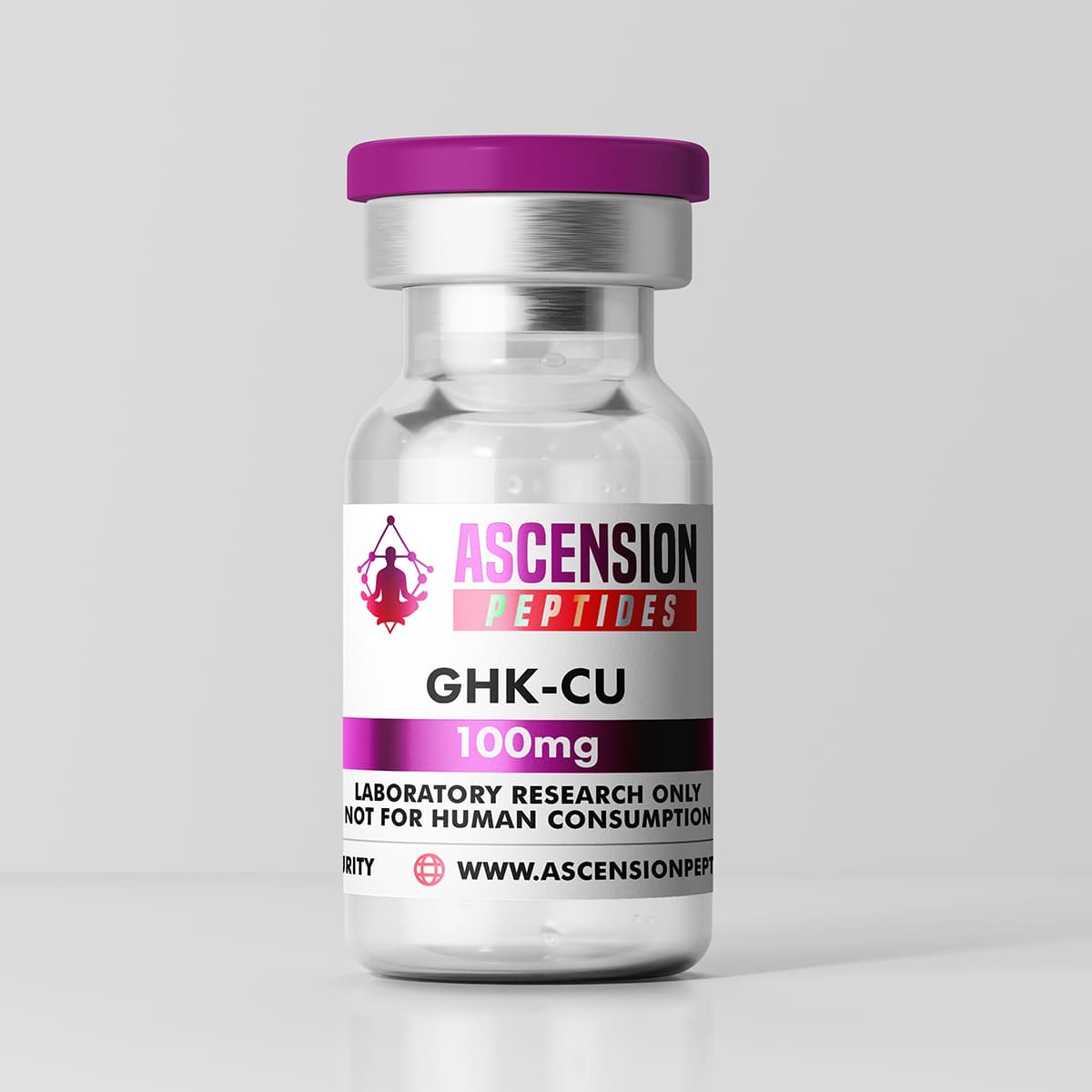
1. GHK-Cu — The Gold Standard
GHK-Cu (glycyl-L-histidyl-L-lysine copper) sits at the top of this list because nothing else comes close in terms of depth of evidence, breadth of mechanism, and real-world results. It's a tripeptide naturally present in human plasma — and its concentration drops from roughly 200ng/mL at age 20 to under 80ng/mL by age 60. That drop correlates with a lot of what we call "aging."
What GHK-Cu actually does is remarkable. It activates over 4,000 genes involved in tissue repair and anti-inflammation. It upregulates collagen synthesis, superoxide dismutase (your primary antioxidant enzyme), and nerve growth factor. It down-regulates genes involved in cancer progression and inflammatory signaling. For skin aging specifically, it outperforms retinol in some direct comparisons while causing a fraction of the irritation.
Systemically, GHK-Cu influences DNA repair, copper metabolism, and the brain's capacity for neuroplasticity. There's a reason it keeps showing up in longevity researchers' protocols — it's operating at a level most other peptides can't reach.
💡 How to Use GHK-Cu
For systemic anti-aging: 1–2mg subcutaneous daily or every other day. For skin: topical concentrations of 1–5% in a carrier serum work well, applied twice daily. Some users combine both routes. Read our full GHK-Cu benefits and dosage guide for the complete protocol breakdown, or visit the GHK-Cu peptide page for a quick reference.
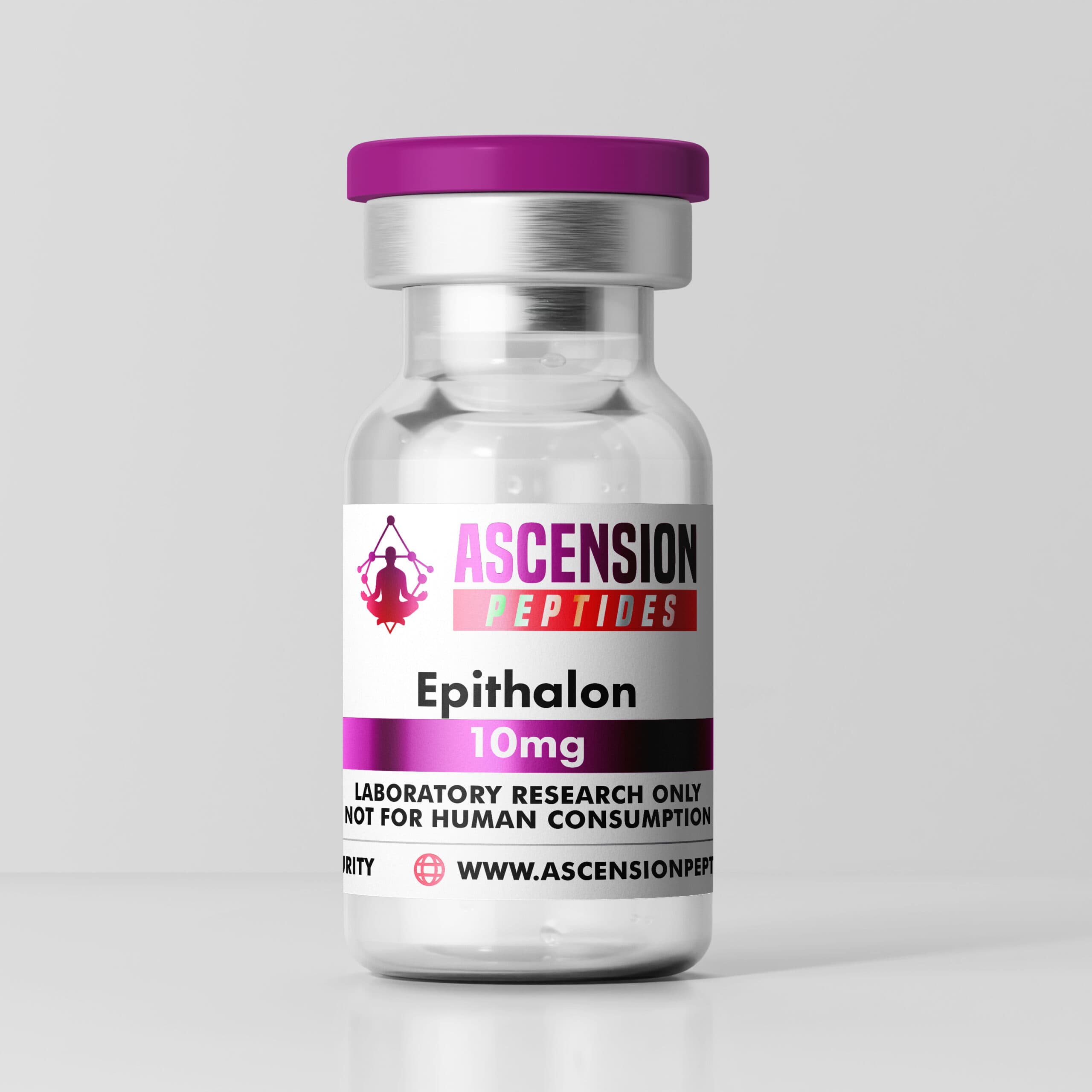
2. Epithalon — The Telomere Peptide
If you ask someone who's been in the peptide space for more than five years what they're most excited about, there's a good chance they say Epithalon. It's a tetrapeptide derived from the pineal gland — specifically from epithalamin, an extract that Russian researchers spent decades studying starting in the 1970s. The research isn't flashy (it predates the current longevity media cycle), but it's long and it's real.
Epithalon's primary mechanism is activation of telomerase — the enzyme responsible for protecting and extending telomere length. Telomere shortening is one of the core mechanisms of biological aging, and Epithalon directly counters it. In controlled human studies, subjects who received periodic Epithalon cycles showed significantly better immune function, hormonal regulation, and longevity markers compared to controls.
Beyond telomeres, Epithalon also normalizes melatonin production in older subjects (whose pineal glands produce progressively less), which translates to improved sleep quality, circadian regulation, and cancer-protective signaling. Some of the most remarkable data shows tumor incidence reduction in long-term subjects — something almost no other peptide can claim.
Typical protocol: 5–10mg daily for 10 consecutive days, repeated 1–2 times per year. Some users do quarterly cycles at lower doses. Check the Epithalon review page for up-to-date sourcing and protocol info.
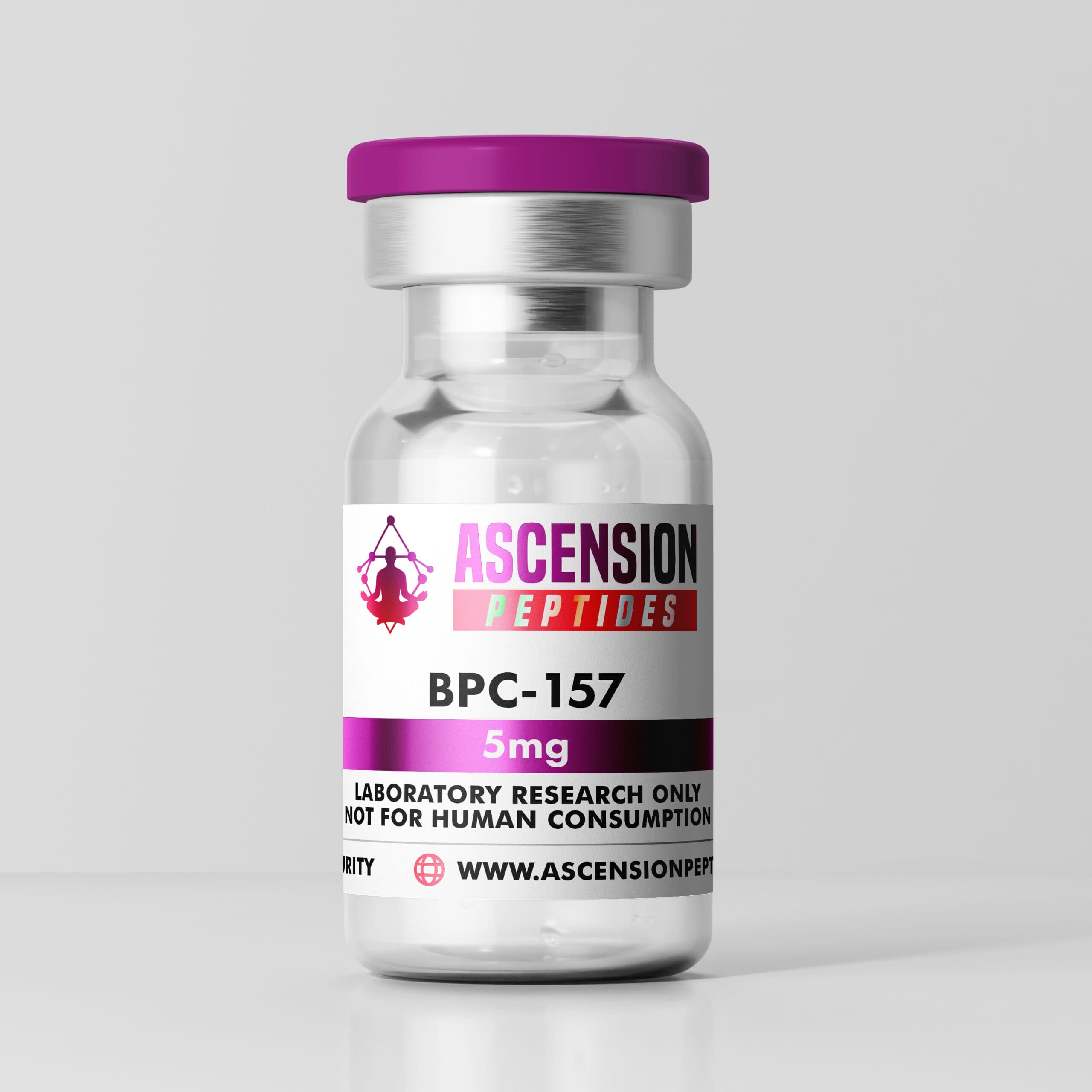
3. BPC-157 — The Body Protector Compound
BPC-157 gets filed under "healing peptide" by most people, and that's true — but it undersells what it actually does. Chronic low-grade inflammation is one of the most destructive forces in aging. "Inflammaging" drives cardiovascular disease, neurodegeneration, insulin resistance, and tissue degradation. BPC-157 is one of the most potent systemic anti-inflammatory compounds available.
It works through multiple pathways: upregulating growth hormone receptor expression, promoting angiogenesis (new blood vessel formation), modulating the nitric oxide system, and stabilizing gut barrier integrity. That last one matters more for aging than most people realize — intestinal permeability increases with age, and a leaky gut drives systemic inflammation. BPC-157 directly addresses this.
Oral BPC-157 is stable in gastric acid, which means you can take it orally for gut and systemic effects. Subcutaneous injection delivers it more efficiently to specific tissues. Many longevity-focused users run low-dose BPC-157 continuously or in 8-week cycles as an anti-aging maintenance compound. See the complete BPC-157 dosage guide for protocol details.
4. SS-31 (Elamipretide) — The Mitochondrial Shield ← NEW
SS-31 is new to this top 10, and it earned its place. Mitochondrial dysfunction is central to aging — as mitochondria deteriorate, energy production drops, reactive oxygen species accumulate, and cellular signaling breaks down. SS-31 is specifically designed to address this.
The peptide (also known as Elamipretide or MTP-131) targets cardiolipin — a phospholipid found only in the inner mitochondrial membrane. Cardiolipin is essential for the electron transport chain function that generates ATP. In aging cells, cardiolipin becomes oxidized and dysfunctional, which is one reason why older mitochondria are less efficient. SS-31 stabilizes cardiolipin, restoring mitochondrial efficiency and reducing oxidative damage.
In clinical trials for heart failure (Stealth BioTherapeutics ran several Phase II studies), SS-31 showed significant improvements in cardiac function, exercise tolerance, and tissue oxygenation. The mitochondrial effects translate across tissues — skeletal muscle, heart, brain, and kidney all show benefits. For a compound that specifically reverses mitochondrial aging at the structural level, SS-31 is genuinely in a class of its own.
Protocols are still being refined by users, but most reports center around 0.1–0.5mg subcutaneous daily, or 1mg several times weekly. This is a compound worth watching closely over the next few years.
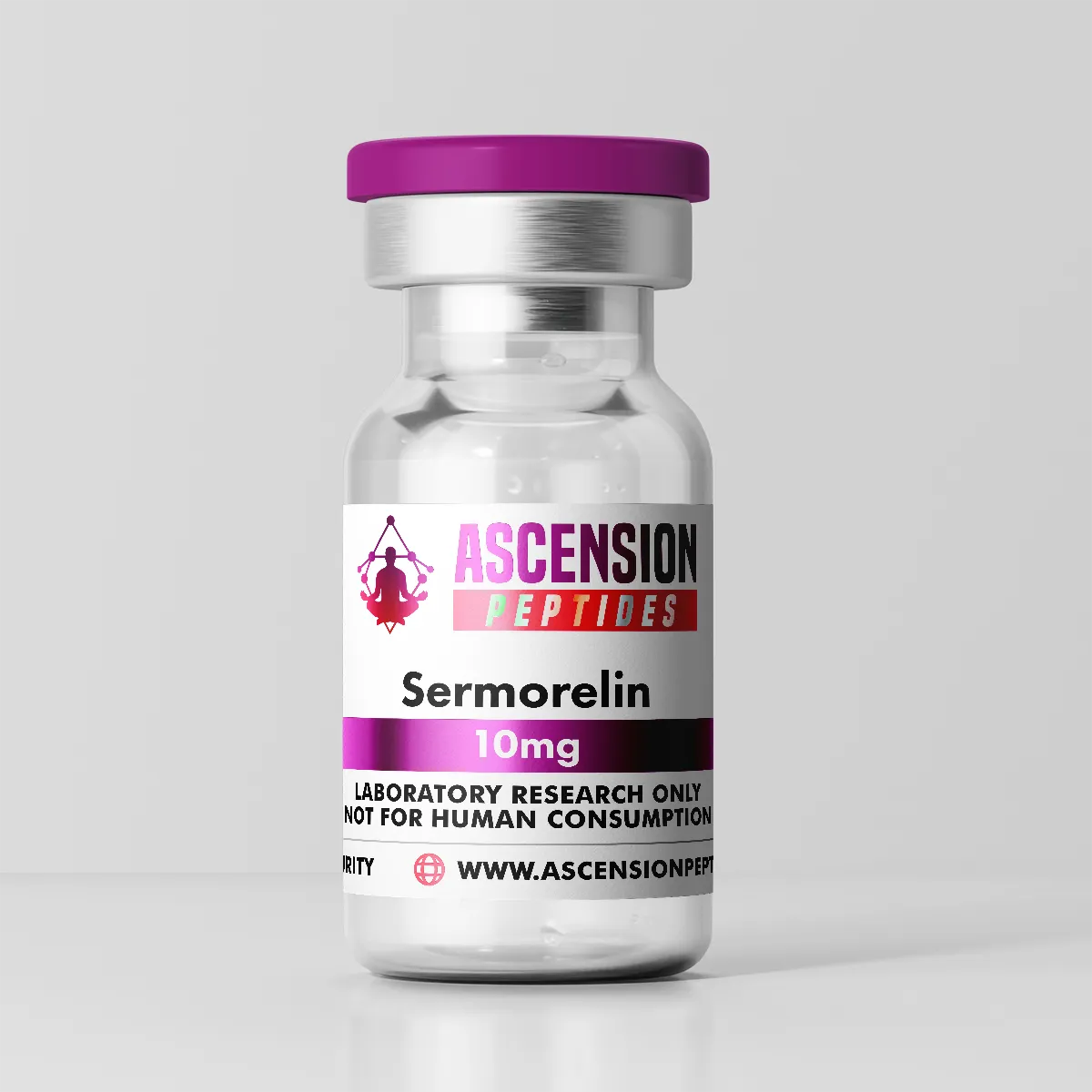
5. Sermorelin — The GH Restoration Peptide
Growth hormone output peaks in your 20s and declines roughly 15% per decade after that. By your 50s, you have about half the GH pulse amplitude you had at 25. That decline drives muscle loss, fat gain, reduced sleep quality, slower recovery, and a general blunting of the regenerative processes that kept you feeling young.
Sermorelin is a GHRH analog — it stimulates the pituitary to release growth hormone naturally, rather than injecting synthetic HGH directly. This is important because it preserves the feedback loops that prevent runaway GH excess. The pituitary still regulates output; sermorelin just restores the signal that was fading.
Clinical evidence supports sermorelin's ability to increase GH and IGF-1 levels in older adults, improve body composition, enhance sleep (GH is primarily released during deep sleep), and support recovery. It's one of the more clinically accessible anti-aging peptides — some compounding pharmacies carry it, and the side effect profile is very manageable.
Standard dose: 200–500mcg subcutaneous, administered before sleep on an empty stomach for maximum GH pulse effect.
6. MOTS-C — The Exercise Mimetic ← NEW
MOTS-C is encoded in mitochondrial DNA — which makes it unusual. It's a mitochondria-derived peptide (MDP) that acts as a metabolic regulator, and its discovery in 2015 opened up a new category of longevity-relevant signaling molecules.
What MOTS-C does: it activates AMPK (the cellular energy sensor), enhances insulin sensitivity, promotes fatty acid oxidation, and mimics many of the metabolic benefits of exercise. In older subjects, MOTS-C levels decline with age — and restoring them appears to partially restore youthful metabolic function.
Crucially, MOTS-C also regulates nuclear gene expression — it translocates to the nucleus under metabolic stress and reprograms transcription. It's not just a local mitochondrial peptide; it's a systemic signaling molecule. For people dealing with age-related metabolic slowdown, insulin resistance, or declining exercise capacity, MOTS-C addresses the core problem at the mitochondrial-nuclear communication level.
It also shows promise for lifespan extension and age-related muscle loss. Protocols are emerging — most users report 5–10mg weekly subcutaneous, though dosing is still being worked out in the community.
7. Ipamorelin / CJC-1295 — The Classic GH Stack
This combination has been a staple of the anti-aging peptide community for years, and for good reason. Ipamorelin is a ghrelin mimetic — it stimulates GH release via the GHRP pathway. CJC-1295 is a GHRH analog (like sermorelin, but with a longer half-life due to its DAC modification). Together, they hit two different GH-stimulating pathways simultaneously, producing synergistic GH pulses that exceed what either compound achieves alone.
The practical benefits of restoring youthful GH patterns: better body composition, improved sleep architecture, faster tissue repair, better skin quality, and the general "feeling better" that comes from restoring hormonal balance. This stack is popular for good reason — it works, it's well-tolerated, and the dosing protocol is well-established.
Typical protocol: Ipamorelin 200–300mcg + CJC-1295 (no DAC) 100mcg, 2x daily (morning and pre-sleep), on a 5-day-on/2-day-off schedule. For full dosage info and expected results, see the Ipamorelin benefits and results page.
8. TB-500 (Thymosin Beta-4) — The Repair and Resilience Peptide
TB-500 is the synthetic form of Thymosin Beta-4 — a naturally occurring peptide involved in actin regulation, tissue repair, inflammation modulation, and cardiac protection. It's been studied in wound healing, nerve regeneration, heart injury recovery, and corneal repair. For anti-aging purposes, its value is in maintaining tissue quality and repair capacity as those capacities naturally decline with age.
What makes TB-500 particularly relevant to aging: it promotes angiogenesis, supports neurological repair, reduces fibrosis (the replacement of healthy tissue with scar-like collagen), and modulates inflammatory responses. Age-related fibrosis — in the heart, lungs, kidneys, and elsewhere — is a significant driver of organ decline. TB-500's anti-fibrotic effects are genuinely interesting from a longevity standpoint.
It also stacks beautifully with BPC-157 (they hit complementary repair pathways), and with GHK-Cu for a potent regenerative combination. Ascension Peptides carries the KLOW blend (GHK-Cu + BPC-157 + TB-500 + KPV) — a pre-mixed multi-peptide formulation that combines several of these into one vial.
Standard dose: 2–5mg weekly subcutaneous, often run in 6-week loading cycles followed by maintenance dosing.
9. FOXO4-DRI — The Senolytic Peptide ← NEW
Cellular senescence is one of the most damaging hallmarks of aging. Senescent cells are cells that have stopped dividing but haven't died — they sit in tissues releasing a toxic cocktail of inflammatory signals called the SASP (senescence-associated secretory phenotype). Over time, senescent cell accumulation drives inflammation, tissue dysfunction, and accelerated aging throughout the body.
FOXO4-DRI is a senolytic peptide — it selectively induces apoptosis (programmed death) in senescent cells without harming healthy cells. It does this by disrupting the interaction between FOXO4 and p53, a survival mechanism that senescent cells depend on. When that interaction is blocked, the senescent cell has no choice but to die.
The evidence is compelling: FOXO4-DRI treatment in aged mice restored physical fitness, fur density, and kidney function. Senescent cell clearance improved overall tissue health markers. This is exactly the kind of mechanism-targeted intervention that distinguishes modern longevity science from the vague "antioxidants are good for you" era.
Human protocols are still being developed. Users typically run FOXO4-DRI in intermittent cycles (1–2mg daily for 3 days, repeated monthly or quarterly) rather than continuous dosing. The goal is episodic senescent cell clearance, not chronic suppression.
10. Thymosin Alpha-1 — The Immune Regulator
Immunosenescence — the decline of immune function with age — is underrated as an aging driver. As the thymus involutes and T-cell production slows, immune surveillance weakens. This means less efficient clearance of abnormal cells (cancer risk goes up), more susceptibility to infections, and chronic low-grade immune activation that drives systemic inflammation.
Thymosin Alpha-1 (Tα1) is a natural thymic peptide that restores T-cell function and boosts immune competence. It's FDA-approved in some countries for hepatitis and cancer support. In anti-aging contexts, it's used to restore youthful immune surveillance — enhancing NK cell activity, improving dendritic cell function, and modulating cytokine profiles toward anti-inflammatory patterns.
For anyone in their 40s+ who gets sick more often than they used to, takes longer to recover, or has concerns about immune-mediated conditions, Thymosin Alpha-1 addresses a real and underappreciated problem. Dosing: 1.6mg subcutaneous, 2x weekly, typically in 4–8 week cycles.
Best Anti-Aging Peptide Stacks
Single peptides are effective. Stacks are smarter — because aging is multi-factorial, hitting multiple hallmarks simultaneously produces better results than addressing just one.
Stack 1: The Longevity Foundation Stack
GHK-Cu + Epithalon + BPC-157
This is the starting point for someone serious about anti-aging who doesn't want to over-complicate things. GHK-Cu handles epigenetic and inflammatory drivers. Epithalon extends telomeres and restores melatonin/neuroendocrine function. BPC-157 manages systemic inflammation and gut integrity. Together, they cover three distinct hallmarks with minimal overlap and excellent safety profiles.
Protocol: GHK-Cu 1mg daily SC + BPC-157 250mcg daily SC (continuous), with Epithalon 10mg daily SC run in 10-day cycles twice per year.
Stack 2: The Mitochondrial Longevity Stack
SS-31 + MOTS-C + Sermorelin
For someone whose primary concern is metabolic aging, declining energy, or cardiovascular health. SS-31 restores mitochondrial function at the structural level. MOTS-C activates AMPK and metabolic signaling. Sermorelin restores the GH/IGF-1 axis that drives cellular repair and metabolism.
This stack addresses what happens when cells literally lose the ability to generate energy efficiently — which is one of the most significant drivers of the "running out of gas" feeling that comes with aging. Protocol is emerging; most users run SS-31 and MOTS-C 3–5x weekly with daily sermorelin before sleep.
Stack 3: The Regeneration and Repair Stack
BPC-157 + TB-500 + GHK-Cu
If you want the tissue and skin rejuvenation angle, this is the combination. BPC-157 and TB-500 work synergistically — PDGF and actin-polymerization pathways complement each other perfectly. GHK-Cu adds skin repair, collagen synthesis, and anti-inflammatory effects. This stack is sometimes called the "Wolverine-adjacent" protocol for connective tissue — you can read more about healing-focused stacking in the Wolverine Stack guide.
Ascension's KLOW blend pre-combines GHK-Cu, BPC-157, TB-500, and KPV — a practical option if you want this stack without managing multiple vials.
Frequently Asked Questions
References
- Pickart L, Vasquez-Soltero JM, Margolina A. "GHK-Cu may prevent oxidative stress in skin by regulating copper and modifying expression of numerous antioxidant genes." Cosmetics. 2015. PubMed
- Khavinson V, Linkova N, Kozhevnikova E, Trofimova S. "Peptide Regulation of Gene Expression and Protein Synthesis in Bronchial Epithelium." Lung. 2020. PubMed
- Siegel MP, Kruse SE, Percival JM, et al. "Mitochondrial-targeted peptide rapidly improves mitochondrial energetics and skeletal muscle performance in aged mice." Aging Cell. 2013. PubMed
- Lee C, Zeng J, Drew BG, et al. "The mitochondrial-derived peptide MOTS-c promotes metabolic homeostasis and reduces obesity and insulin resistance." Cell Metabolism. 2015. PubMed
- Baar MP, Brandt RMC, Putavet DA, et al. "Targeted Apoptosis of Senescent Cells Restores Tissue Homeostasis in Response to Chemotoxicity and Aging." Cell. 2017. PubMed
- Khavinson VKh, Bondarev IE, Butyugov AA. "Epithalon peptide induces telomerase activity and telomere elongation in human somatic cells." Bulletin of Experimental Biology and Medicine. 2003. PubMed
- Sikiric P, Seiwerth S, Rucman R, et al. "Stable gastric pentadecapeptide BPC 157: novel therapy in gastrointestinal tract." Current Pharmaceutical Design. 2011. PubMed
The information in this article is for educational purposes only and does not constitute medical advice. Always consult a healthcare professional before starting any new supplement or compound. Results vary by individual.